    Brand Profile

    Robert Piguet began as a Parisian couture house in the early 1930s and has since become a reference point for niche fragrance lovers. The br…More

    France·Est. 1933·Site

    3

    Fragrances

    4.1

    Rating

    46
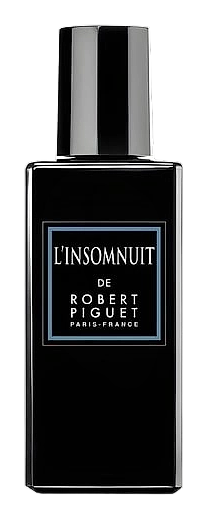
    L'Insomnuit by Robert Piguet
    4.2

    L'Insomnuit

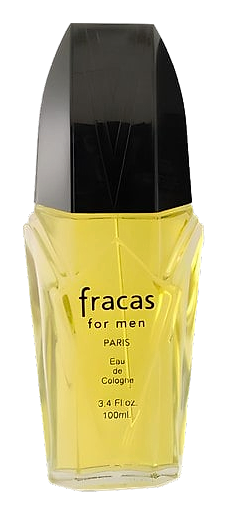
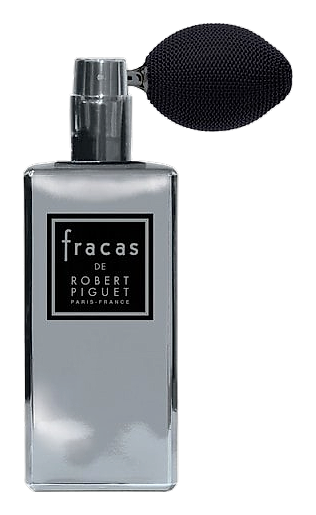
    Fracas by Robert Piguet – Eau de Parfum
    4.0

    Fracas

    Eau de Parfum

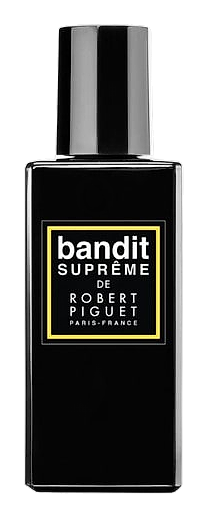
    Bandit by Robert Piguet – Parfum
    4.0

    Bandit

    Parfum

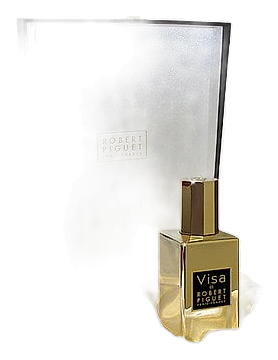
    Visa by Robert Piguet Gold Limitied Edition by Robert Piguet
    Best Seller
    4.7

    Visa by Robert Piguet Gold Limitied Edition

    Fracas Platinum 70 Anniversary Limited Edition by Robert Piguet
    Best Seller
    4.7

    Fracas Platinum 70 Anniversary Limited Edition

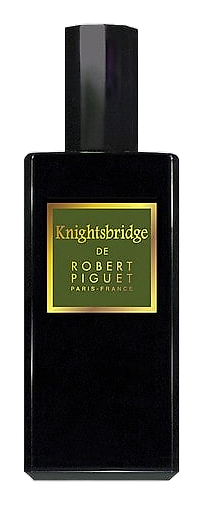
    Knightsbridge by Robert Piguet
    Best Seller
    4.5

    Knightsbridge

    Les Celestials de Knightsbridge La Lune by Robert Piguet
    4.5

    Les Celestials de Knightsbridge La Lune

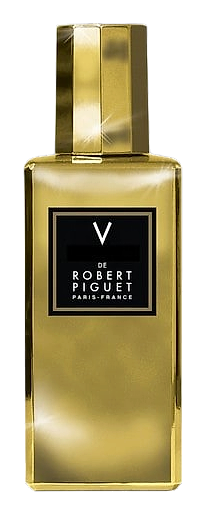
    V by Robert Piguet
    4.5

    V

    Les Celestials de Knightsbridge Les Soleil by Robert Piguet
    4.5

    Les Celestials de Knightsbridge Les Soleil

    V Gold de Robert Piguet by Robert Piguet
    4.5

    V Gold de Robert Piguet

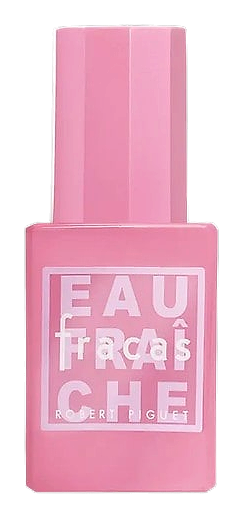
    Fracas Eau Fraîche by Robert Piguet
    4.3

    Fracas Eau Fraîche

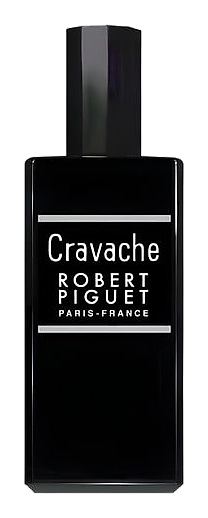
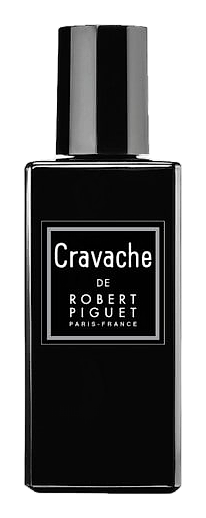
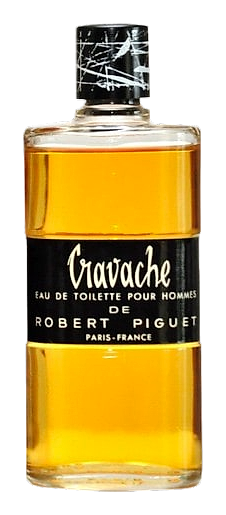
    Cravache Eau de Parfum by Robert Piguet
    4.3

    Cravache Eau de Parfum

    1 of 4

    The Heritage

    The Story of Robert Piguet

    Robert Piguet began as a Parisian couture house in the early 1930s and has since become a reference point for niche fragrance lovers. The brand’s early perfume, Bandit (1944), introduced a bold, modern scent language that still informs its collections. Today the house offers a curated line of scents such as Fracas Platinum, Knightsbridge and V Gold, each presented in sleek, French‑made bottles. Robert Piguet balances a heritage of runway drama with a quiet confidence in olfactory craftsmanship, making it a steady choice for collectors who value history and quality.

    Heritage

    Swiss‑born designer Robert Piguet opened his fashion house in Paris in 1933 after apprenticeships with Redfern and Paul Poiret. He quickly earned a reputation for sharp tailoring and for mentoring future icons like Christian Dior and Hubert de Givenchy. The couture house presented its first runway at the Rond‑Point des Champs‑Élysées in 1938, a moment recorded in contemporary French newspapers. While the fashion operation ceased in 1951, the brand’s perfume division continued to grow. In 1944 the house launched Bandit, a leather‑spiced fragrance that broke with the floral norms of the era. Two years later Fracas arrived, built around a tuberose accord sourced from Madagascar, and it quickly earned a place in perfumery history as a definitive tuberose scent. The 1970s saw the Robert Piguet trademark transferred to the Coty family, who kept the fragrance line alive in Europe and North America. During the 1980s and 1990s the brand entered the emerging niche market, gaining a foothold in Italy where specialty boutiques began stocking its bottles. The 2000s brought a series of limited editions, including the 2013 Knightsbridge line that referenced the brand’s London clientele. Recent releases such as V Gold (2024) and Fracas Eau Fraîche (2024) demonstrate the house’s willingness to reinterpret classic DNA while staying true to its original daring spirit. Throughout more than eight decades, Robert Piguet has moved from runway to scent, preserving a legacy that blends fashion discipline with aromatic imagination.

    Craftsmanship

    All Robert Piguet fragrances are assembled in France under the supervision of experienced perfumers and quality engineers. The house works with ingredient suppliers who provide botanical extracts harvested at peak maturity, such as tuberose from the highlands of Madagascar and jasmine from Grasse. These raw materials undergo cold‑press or solvent‑free extraction to preserve volatile aromatics. Once the essential oils arrive at the laboratory, master perfumers blend them according to precise ratios recorded in archival formulas. The mixtures are then macerated in stainless steel vats for several weeks, allowing the notes to integrate fully. After maceration, the perfume is filtered through fine membranes to remove any particulate matter. The final liquid is decanted into glass bottles that are hand‑finished in the French region of Saint‑Étienne, where artisans polish each piece to a flawless shine. Caps are machined from brass and coated with a matte lacquer to prevent oxidation. Quality control includes gas chromatography analysis of each batch, ensuring that the concentration of key aromatics matches the original specification within a one‑percent tolerance. The house also conducts blind olfactory panels with trained noses before releasing a fragrance, guaranteeing that the scent aligns with the intended profile. This rigorous process, rooted in both traditional techniques and modern analytical tools, underpins the consistency that collectors expect from Robert Piguet.

    Design Language

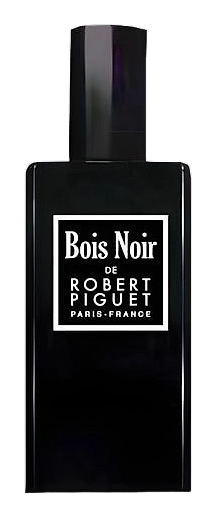
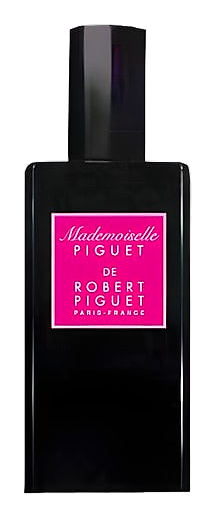
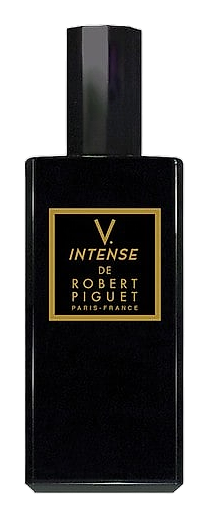
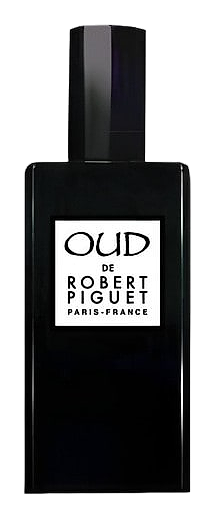
    Robert Piguet’s visual language mirrors its sartorial origins. Bottles feature clean, rectangular silhouettes that echo the lines of a tailored coat, while the glass remains clear to showcase the perfume’s hue. Labels employ a minimalist serif typeface in black or deep navy, set against a white background that conveys quiet authority. The brand’s logo—a stylized “RP” monogram—appears embossed on the cap, a nod to the designer’s signature embroidery on garments. Recent limited editions introduce subtle metallic foils or pastel gradients, but they never overwhelm the core simplicity. Advertising photography often depicts models in monochrome studio settings, dressed in classic silhouettes, allowing the scent to become the focal point rather than a backdrop of glitter. Store displays follow the same restrained aesthetic, using natural wood and brushed metal fixtures that highlight the bottles without clutter. This consistent visual approach reinforces the brand’s identity as a bridge between high fashion and refined fragrance, appealing to consumers who appreciate understated elegance.

    Philosophy

    Robert Piguet approaches perfumery as a continuation of couture design. The house believes that a fragrance should dress the wearer as deliberately as a garment, using structure, contrast and balance. It values authenticity, so each scent is built around a clear central note—tuberose in Fracas, leather in Bandit, or violet in V—surrounded by supporting accords that enhance rather than mask the core. The brand favors French craftsmanship and sources raw materials that meet strict purity standards, reflecting a respect for both the environment and the nose. Creative direction stays in dialogue with the house’s historic archives; perfumers are encouraged to reference original formulas while introducing contemporary twists. This practice creates a sense of continuity, allowing long‑time fans to recognize familiar DNA while inviting new collectors to experience fresh interpretations. Robert Piguet also emphasizes discretion over flash, preferring understated packaging and subtle marketing that let the scent speak for itself.

    Key Milestones

    1933

    Robert Piguet opens his couture house in Paris after working for Redfern and Paul Poiret.

    1944

    Launch of Bandit, the house's first fragrance, introducing a bold leather‑spice composition.

    1948

    Fracas debuts, built around a tuberose accord sourced from Madagascar, later hailed as a tuberose benchmark.

    1951

    The fashion house closes; the brand continues solely as a perfume house.

    1970

    Coty family acquires the Robert Piguet trademark and maintains fragrance production in France.

    1990

    Robert Piguet enters the emerging niche market in Italy, gaining dedicated boutique distribution.

    At a Glance

    Brand profile snapshot

    Origin

    France

    Founded

    1933

    Heritage

    93

    Years active

    Collection

    3

    Fragrances released

    Avg Rating

    4.1

    Community sentiment

    Release Rhythm

    2024
    3
    2023
    2
    2022
    1
    2020
    1
    2019
    1
    2018
    1
    2017
    5
    2016
    1
    robertpiguet.com

    Did You Know?

    Interesting Facts

    Distinctive details and defining moments that shape the house personality.

    01

    Fracas was originally created for a Hollywood starlet, actress Marlene Dietrich, who requested a scent that captured the drama of the stage.

    02

    Bandit’s leather note was derived from a rare, sustainably harvested South American cattle hide oil, a material rarely used in perfumery at the time.

    03

    During World War II, the house’s perfume laboratory operated under strict rationing, yet managed to produce Bandit using locally sourced ingredients.

    04

    Robert Piguet mentored both Christian Dior and Hubert de Givenchy, influencing the next generation of fashion designers.