
The Story
Why it exists.
The beginning
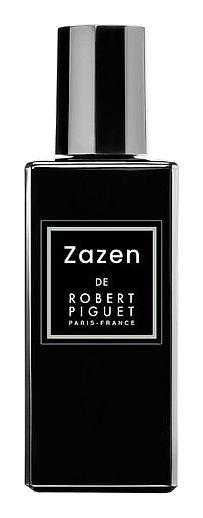
Zazen is the Japanese word for seated meditation, sitting without agenda, following the breath until something quieter arrives underneath the noise. The fragrance carries this name deliberately, not as a trend or an exotic gesture, but as an honest attempt to capture that quality of intentional stillness in liquid form. The name invites you to stop before you start smelling. To notice. The composition was built around the idea that calm doesn't mean absence, it means presence without performance. From a couture house with roots in Parisian sharpness, it's a curious direction. But Robert Piguet has always been about dressing the wearer as deliberately as a garment, and this scent does exactly that: it wraps rather than announces, it settles rather than projects.
What makes Zazen work isn't a single dominant material but a tension between brightness and stillness. The saffron top arrives sharp and spicy, carrying an almost metallic quality that catches attention before other notes arrive to soften it. The rice accord is unusual in Western perfumery. It's not a food note in the way coconut or vanilla reads as food; it reads as warmth, as the smell of a room that was just occupied, as humidity near a window. Combined with green violet, it gives the heart a quality that's simultaneously floral and earthy, delicate and grounded.
The evolution
The opening is the loudest Zazen gets. Saffron arrives bright and dry, a metallic warmth that catches attention before the apple and mandarin arrive to soften it. The citrus doesn't pop here so much as quiet the saffron, tartness that reframes the spice rather than competing with it. Then the rice emerges. It's not a dramatic reveal. More like noticing the temperature has changed. Green violet and orange blossom carry the heart with a quietude that feels almost anti-perfume, no dramatic florals, no showy sillage. Just warmth, and the faint sweetness of something blooming in a humid room. The drydown is where Zazen earns its name. Amber and musk settle close to the skin, tonka bean adding a creaminess that never becomes gourmand. The saffron hangs around as a whisper, never fully disappearing, just becoming part of the warmth rather than the introduction.
Cultural impact
Zazen arrived as something different in a perfume market where many fragrances compete for attention through projection and complexity. Robert Piguet, a house known for distinctive floral and leather compositions, released something quieter. What keeps it interesting is the rice accord, a material most fragrance lovers encounter in food contexts, rarely in perfume. That unusual choice, combined with the meditation-name framing, positions Zazen as a fragrance for someone who values intention over impact. It's not trying to compete with the loudest bottle on the shelf. It's hoping you notice anyway.
The House
Robert PiguetRobert Piguet began as a Parisian couture house in the early 1930s and has since become a reference point for niche fragrance lovers. The brand’s early perfume, Bandit (1944), introduced a bold, modern scent language that still informs its collections. Today the house offers a curated line of scents such as Fracas Platinum, Knightsbridge and V Gold, each presented in sleek, French‑made bottles. Robert Piguet balances a heritage of runway drama with a quiet confidence in olfactory craftsmanship, making it a steady choice for collectors who value history and quality.
The Creator
Aurélien GuichardAurélien's style could be described as refined and elegant, with a focus on natural ingredients. He often uses roses, a nod to his family's history, but he isn't limited by tradition.