
The Story
Why it exists.
The beginning
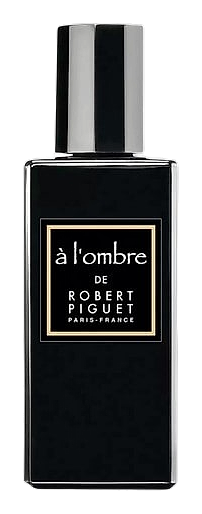
À L'Ombre arrived in 2024 from Hamid Merati-Kashani and the Robert Piguet house. The name means 'in the shade', not night itself, but the moment before it arrives. That threshold is the concept. The perfumer wasn't reaching for darkness. He was reaching for the feeling of almost-night: light that refuses to leave, warmth that hasn't surrendered to cool yet. It shows in every layer of the composition. Bright fruit opens the fragrance with an energy that feels diurnal, almost urgent, apricot nectar, bergamot, and pear all pushing toward daylight. But the heart introduces ambiguity. Jasmine sambac and orris root don't fight the brightness. They dissolve it slowly, into something powdery and less certain. By the time the base arrives, the fragrance has made its argument: this is what transition smells like.
The most interesting decision in À L'Ombre is the jasmine sambac. Sambac jasmine is typically heady, indolic, almost animal, jasmine that announces itself. Here, Hamid Merati-Kashani has paired it with orris root, and the combination produces something quieter. The orris adds a powdery, slightly metallic dryness that tempers the jasmine's sweetness. It's not a fight between notes. It's a conversation. The fruit and the florals argue briefly in the opening, then the orris settles the debate: not sweetness alone, not dryness alone, but something that lives between them. The drydown leans into this tension. Vetiver and oakmoss provide an earthy, natural foundation that could have gone austere.
The evolution
The first hour is all fruit and brightness. Apricot nectar leads, with bergamot and pear providing crispness underneath, a diurnal opening that feels deliberate in its simplicity. As the composition evolves, the florals arrive and complicate things. Jasmine sambac moves forward, but the orris root is doing the structural work, shifting the composition from sweetness toward powder. The transition isn't dramatic. It's more like a change in temperature, the brightness cooling slightly, becoming less immediate. The drydown brings a different register. Vanilla absolute and caramel arrive together, building warmth without excess. Vetiver and patchouli ground the composition, while oakmoss adds a soft, almost green undertone that keeps the sweetness from becoming cloying. Musk provides longevity without dominating.
Cultural impact
Robert Piguet established his house during the 1940s, becoming known for bold, structured femininity in fashion. His legacy includes training Christian Dior before his own house rose to prominence. Fracas, Bandit, and Visa remain benchmarks of daring perfume composition. À L'Ombre enters this lineage in 2024, continuing Piguet's tradition of confident, slightly unconventional scent design. The composition merges warm amber with powdery florals. Its above-average projection ensures a confident, lingering presence that remains noticeable without dominating a room, inviting those nearby to lean in.