The Story
Why it exists.
The beginning
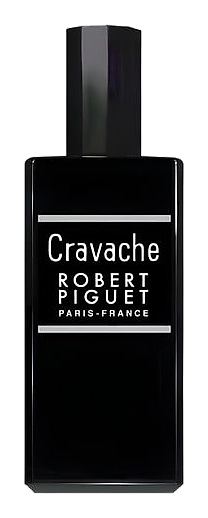
Robert Piguet's Cravache returned in 2007, revived by perfumer Aurélien Guichard after decades of near-absence. The original had been a classic masculine scent from 1963, built on the kind of aromatic chypre structure that once defined men's fragrance. By the 2000s, that vocabulary had nearly vanished from the market, replaced by sweeter, fruitier compositions. Guichard didn't modernize Cravache so much as reassert it. The name itself, meaning horsewhip, hints at the fragrance's character: precise, confident, with a sting in the tail.
What makes Cravache interesting is the note architecture. The top opens with petitgrain and citrus, bright, clean, almost soapy, before the heart of lavender and clary sage takes over. That shift from citrus to herbal is where the fragrance earns its reputation. Most masculine fragrances of the era smoothed that transition into sweetness. Cravache lets it crack. The base of vetiver and patchouli then anchors everything in earthiness, with oakmoss providing that green, mossy depth that was once a standard in chypre compositions and is now increasingly rare.
The evolution
The opening is where Cravache announces itself. Petitgrain, mandarin, lemon, a clean citrus burst that reads almost soapy for the first twenty minutes. Then the herbs arrive. Lavender and clary sage take over the heart, with nutmeg's spice threading through. The citrus doesn't disappear so much as get subsumed by something leafier, more deliberate. The drydown is where it lives. Vetiver and patchouli settle in, earthy and slightly bitter. Oakmoss adds a green, mossy depth that reads almost animalic, the kind of base that once defined masculine chypre and now feels rare. This is the phase that lasts. Moderate sillage means it stays close, but the longevity is there, six to eight hours on most skin, with the drydown holding longest. The surprise is the oakmoss. It's the tell. That green, mossy depth that modern masculine fragrances almost never carry. It's what separates Cravache from the field and what makes it feel like a piece of olfactory history, a fragrance that remembers a time when men's scent meant something different.
Cultural impact
Cravache arrived in 2007 as the masculine fragrance market was moving toward sweeter, fruitier compositions. Its aromatic chypre structure, herbal, earthy, with that distinctive oakmoss depth, felt like a counterargument. Wearers describe it as the scent of someone who doesn't need to announce themselves. The niche fragrance community has kept it alive long past its original run, seeking it out for the old-school masculinity it delivers.