The Story
Why it exists.
The beginning
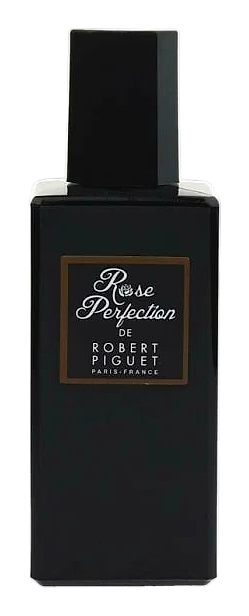
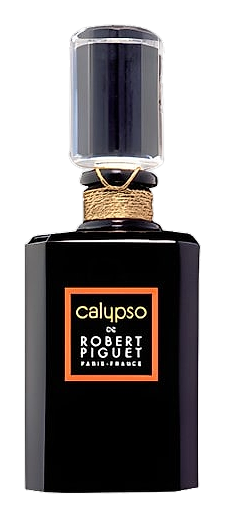
Calypso first appeared in 1950, created by Germaine Cellier for Robert Piguet's couture house. The name nods to the mythological nymph, Homer's island dweller, Circe's rival, a figure of romance and mystery. Cellier built the original around a tension: bright citrus and geranium opening into a deep floral heart, grounded by leather and earth. It was the house's third fragrance, after Bandit's leather scandal and before Fracas's tuberose monument. Calypso occupied different territory, less confrontational, more layered, asking more patience than its siblings. The 2010 re-release brought Aurélien Guichard to the bench, reformulating from Cellier's archival formula for a modern audience without losing the original's structural logic.
What makes Calypso distinctive is its use of orris root alongside Bulgarian rose. These two materials share a powdery register but diverge in texture, orris is cool, almost mineral, with a violet-like starchiness, while Bulgarian rose is warm, honeyed, and deeply floral. The pairing creates a heart that reads as both creamy and restrained, a paradox that gives Calypso its specific character. The suede in the base reinforces this: not leather's animal aggression, but something softer, worn, close to skin. Combined with ambroxan, a clean, skin-like warmth, the drydown becomes intimate rather than projecting, the kind of scent that someone standing beside you notices before you do.
The evolution
The opening hits with geranium's green bite and mandarin's citrus snap, bright, alert, almost medicinal. Mandarin fades first, within fifteen minutes, leaving geranium to clean up its own sharpness. The Bulgarian rose enters around the twenty-minute mark, pushing through the green with powdery insistence. The orris follows, adding coolness, a slight starchiness that tempers the rose's warmth. By the second hour, the heart is fully established: floral, powdery, restrained. The base announces itself slowly, suede first, then patchouli's earth, then ambroxan's clean warmth. The drydown is long. Eight to ten hours on most skin, moderate sillage that stays close rather than filling the room. The next morning, a faint trace of suede and patchouli remains on skin, intimate and last night's.
Cultural impact
Calypso occupies a quieter corner of the Robert Piguet canon, less notorious than Bandit, less iconic than Fracas, but possessed of a specific character that rewards attention. The house's philosophy treats fragrance as garment, and Calypso is the piece you reach for when you want structure without volume. Among the brand's lineup, it reads as the most romantically inclined, powdery rose over suede, warmth under restraint. The 2010 re-release found an audience that values exactly this kind of olfactive specificity: not the house's boldest statement, but perhaps its most layered.