
Heritage
A house, in its own words
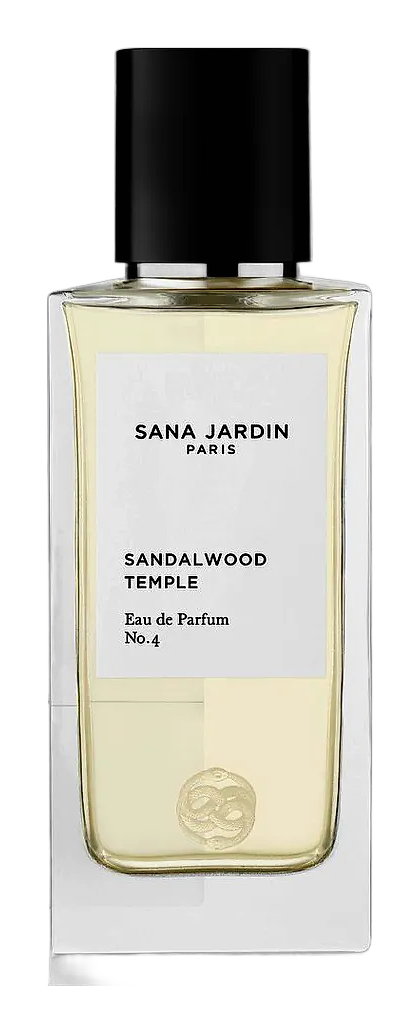
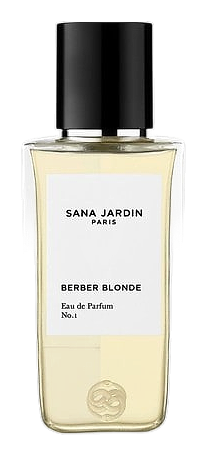
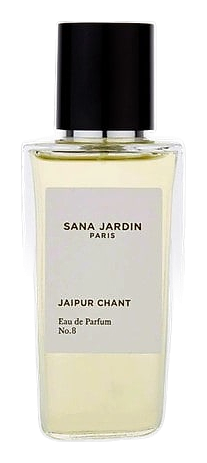
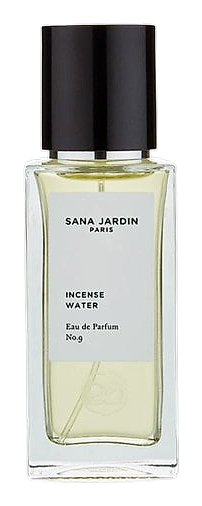
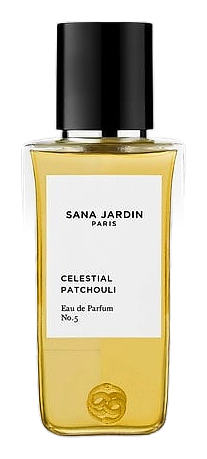
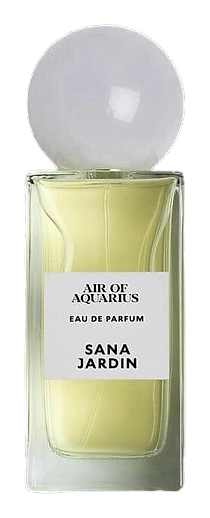
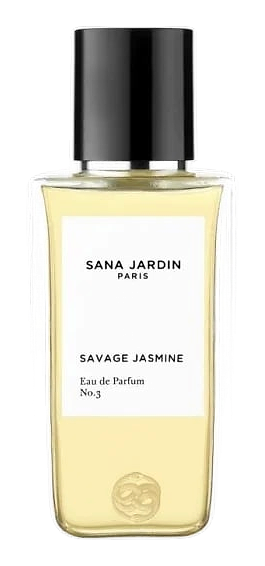
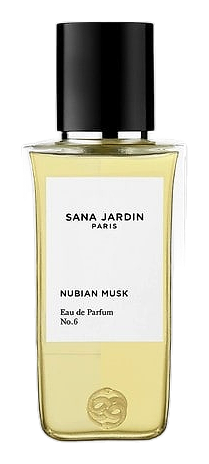
Sana Jardin launched in 2017, founded by Amy Christiansen Si-Ahmed, a philanthropist and entrepreneur whose interest in social enterprise shaped the brand's foundational model from the outset. Christiansen Si-Ahmed identified an opportunity to intervene in Morocco's rose and orange blossom supply chains, where flower harvesters, predominantly women from Berber communities, traditionally earned minimal income from their labor. She structured the company so that each bottle sold contributed a measurable social return, funding training programs, fair wages, and community investment for these workers. According to trade coverage of the brand, Christiansen Si-Ahmed recruited Carlos Benaïm, a veteran perfumer with decades of industry experience, to compose the house's debut fragrance lineup. The partnership produced ten notable releases between 2017 and 2023, including Sandalwood Temple, Nubian Musk, and Berber Blonde. The brand's social impact model was covered by multiple lifestyle publications and fragrance community channels as an example of mission-driven luxury goods. Sana Jardin expanded its catalog into 2025 with Air of Aquarius, suggesting continued growth in both market presence and creative output. The Sana Jardin philosophy centers on using fragrance as a vehicle for social change, a stated goal embedded in the brand's commercial structure rather than treated as a secondary initiative. The company describes itself as a socially conscious luxury house, emphasizing that its perfumes are designed to be clean and sustainable alongside their social purpose. The core belief appears to be that consumers purchasing premium fragrance should be able to trace a direct benefit to producers in the supply chain. This approach treats the social mission not as marketing but as the brand's primary differentiating proposition. The philosophy also encompasses environmental sustainability, with the brand noting its use of eco-conscious ingredients and production methods as part of what it calls its eco-luxe identity. The emphasis on empowerment rather than charity reflects a broader philosophy of dignified economic participation for the women at the center of the supply chain.