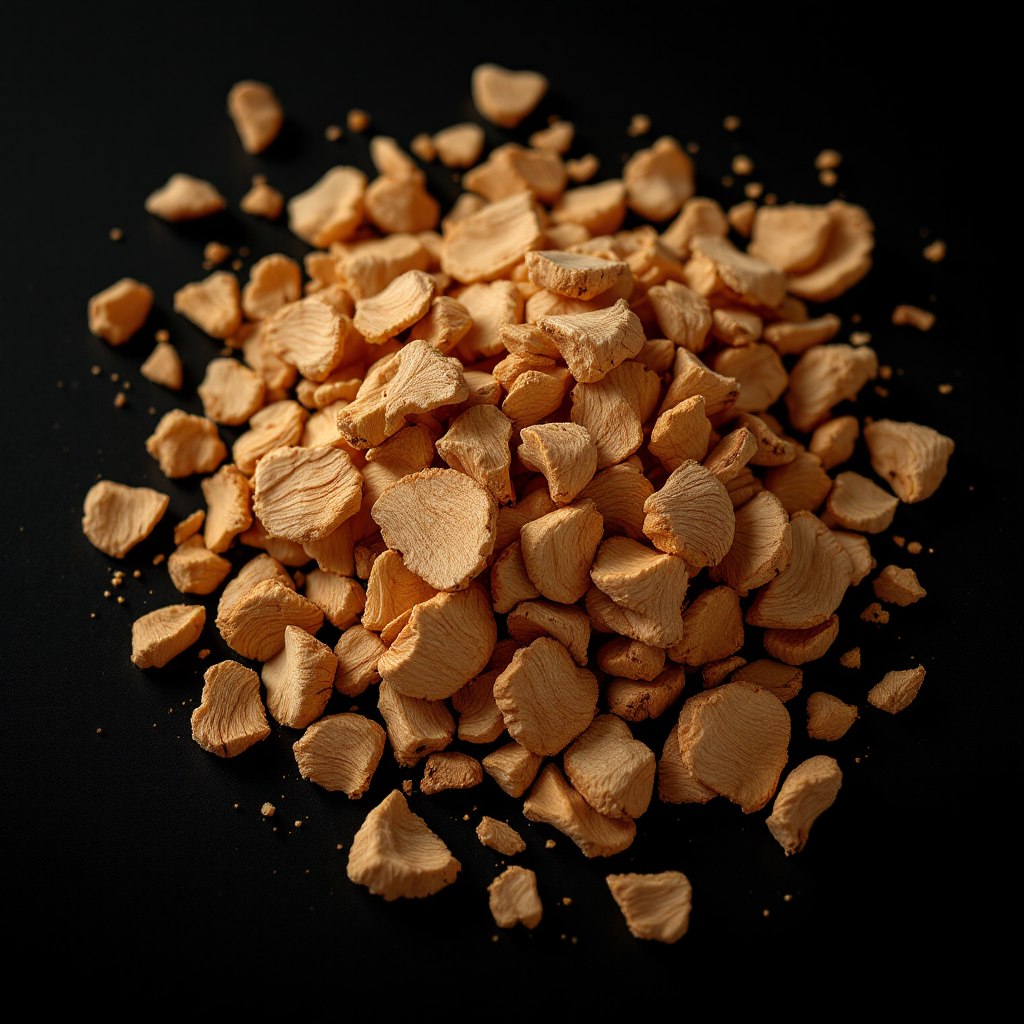
White Oak
White Oak heartwood yields a refined, creamy wood note prized in modern perfumery for its warm vanilla and coconut character. Distillers first developed oak extract from this wood, which perfumers later adopted to build depth in woody and oriental fragrances.
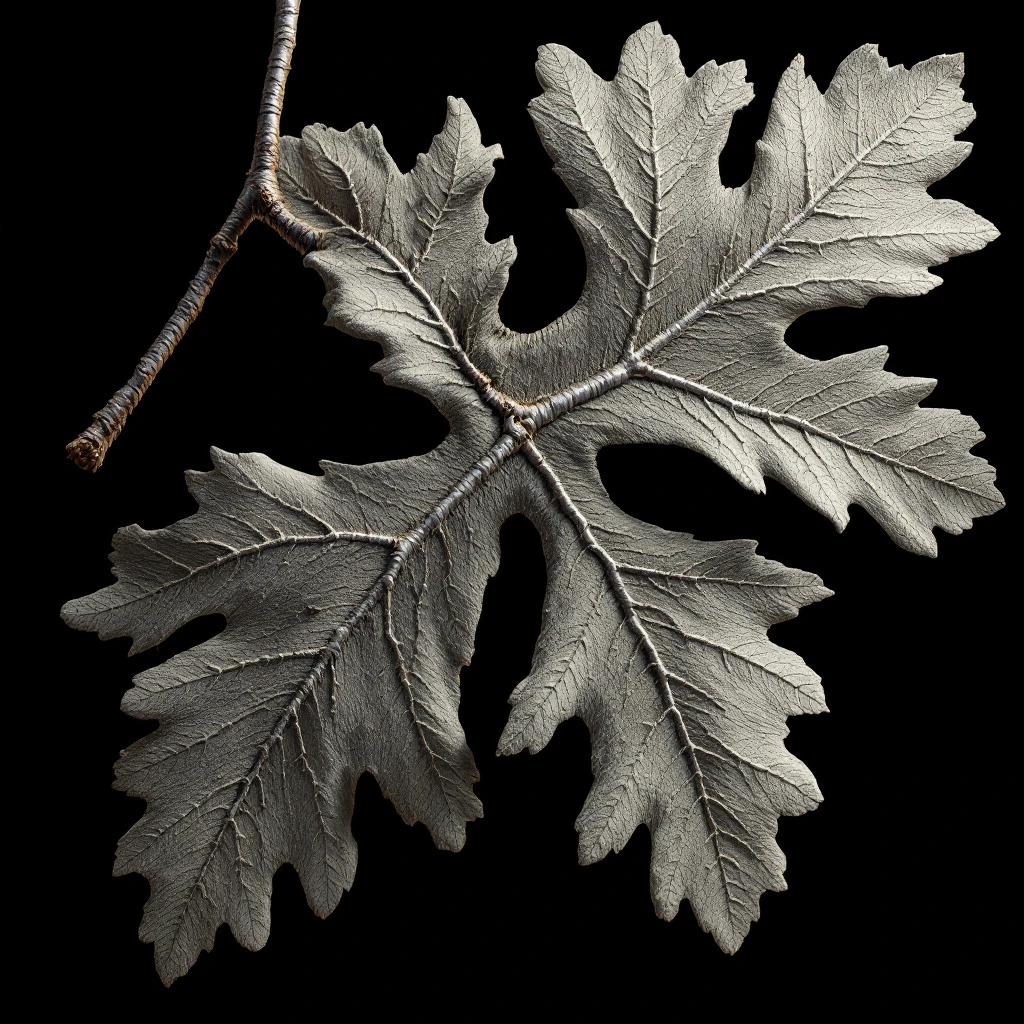
Character
How it smells
The barrel-maker's secret enters the perfume bottle.
American whiskey distillers discovered that white oak barrels could only be used once, unlike European oak. This led to the development of oak extract, which perfumers later adopted.







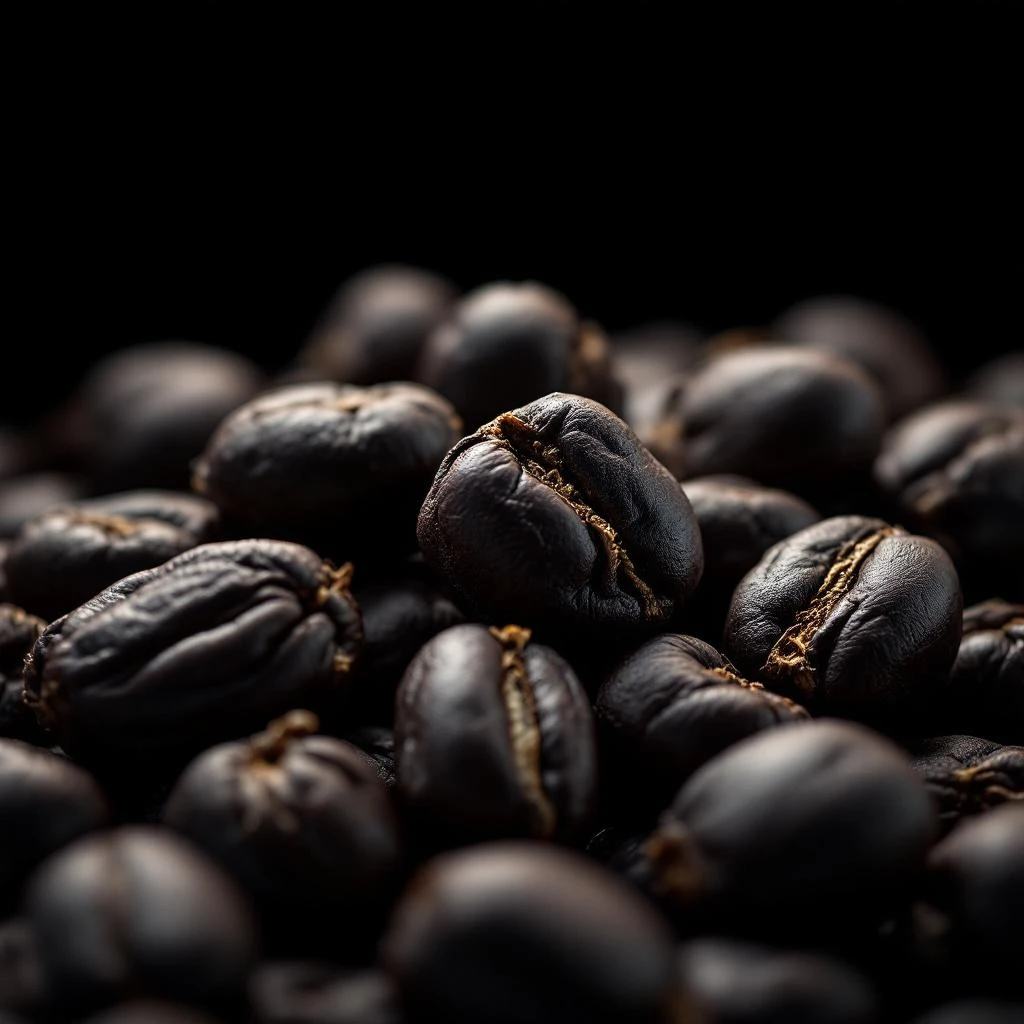

Origin
United States
White oak earned its name from the pale grayish bark that distinguishes Quercus alba from darker oak species. Native Americans used white oak bark as a traditional medicine for sore throats and skin irritations, long before European settlers arrived. Colonial coopers prized the wood for its exceptional tightness of grain and natural resistance to rot, making it ideal for barrels that could hold liquids without leaking.
American whiskey makers quickly learned that white oak barrels could only be used once for aging spirits, unlike European oak barrels that could be refilled multiple times. This constraint drove the development of oak extract as a way to capture and concentrate the wood's aromatic character for reuse. Perfumery adopted these techniques in the twentieth century, finding that white oak extract lent a creamy, coconut-vanilla warmth that deepened woody and oriental fragrance bases.
Today, white oak extract remains a staple for perfumers seeking natural woody depth.
Wears it best
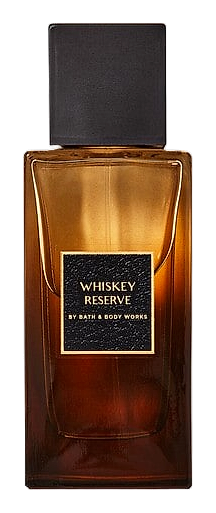
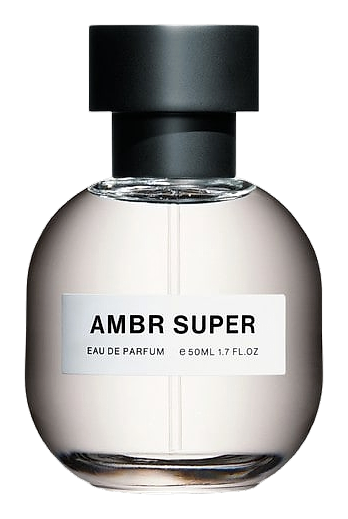
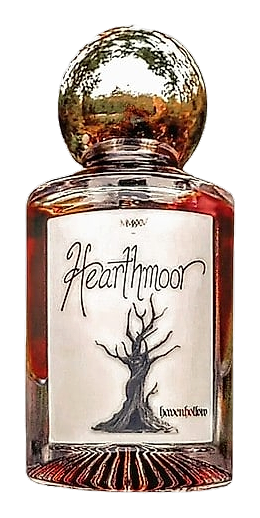
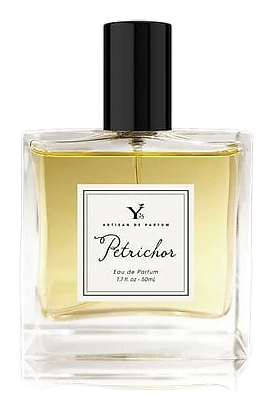
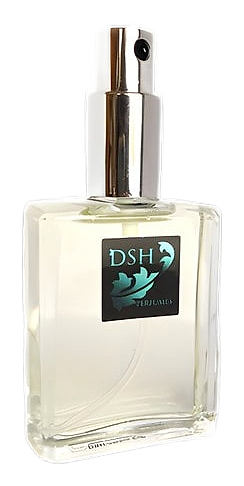
Fragrances featuring White Oak
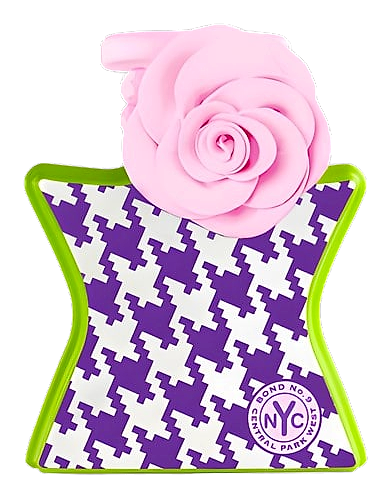


Brands
Brands known for White Oak
Good to know
Questions, answered
The essentials on White Oak in perfumery: how it smells, where it comes from, and how it behaves on skin.
How does white oak differ from oakmoss in perfumery?
White oak refers to the actual wood of Quercus alba, while oakmoss is a lichen that grows on oak bark. White oak provides warm vanilla and coconut lactones, whereas oakmoss delivers earthy, mossy, and slightly animalic notes. They serve different roles in fragrance composition.
What does white oak smell like in a fragrance?
White oak contributes a warm, creamy woody character with distinct vanilla and coconut nuances from quercus lactone. It adds sweetness, depth, and a slightly smoky quality depending on how the wood was toasted during extraction.
Where does white oak used in perfumery originate?
White oak is native to eastern North America, growing wild across the Appalachian region and Ohio River Valley. The United States remains the primary source for white oak wood and extract used in perfumery worldwide.
How does toasting level affect white oak's scent profile?
Light toasting preserves lighter lactones and fresher, more floral wood notes. Heavy toasting breaks down hemicellulose and lignin, generating stronger vanilla, caramel, and smoky compounds. Perfumers select extracts based on the desired warmth and sweetness in a fragrance.
What historical role did white oak play in fragrance development?
American whiskey makers pioneered white oak barrel use in the 1700s. When they discovered these barrels could only be used once, they developed oak extract to reuse the wood's character. Perfumery adopted these extraction techniques in the twentieth century to build natural woody depth in fragrances.
Is white oak extract natural or synthetic?
White oak extract is a natural material derived from the wood of Quercus alba. It contains dozens of aromatic compounds including quercus lactone, syringaldehyde, and ellagitannins. Reconstructed versions using isolated natural aroma chemicals can mimic certain aspects but lack the full complexity of the natural extract.
What chemical compounds give white oak its characteristic aroma?
Quercus lactone is the signature compound, responsible for coconut and vanilla notes. Syringaldehyde contributes sweet vanilla character, while ellagitannins add structure and subtle bitterness. The balance of these compounds varies based on the wood's age and toasting level.
Are there safety considerations for white oak in perfume?
White oak extract is considered safe for use in perfumery when properly processed. The EU requires declaration of oak extract on perfume labels due to potential allergen content. Most regulatory bodies classify it as a natural aromatic material with standard usage guidelines.