Geosmin
Geosmin is the precise molecular source of petrichor, that beloved scent released when rain touches dry earth. Detectable by the human nose at just 10 parts per trillion, this compound triggers an instinctive, almost primal recognition in everyone.

Character
How it smells
The exact smell of petrichor, bottled.
Camels can reportedly smell approaching rain from 80 km away, guided by geosmin riding wind currents across the Sahara.





Origin
Laboratory
The quest to understand the smell of soil began in 1891 when Berthelot first investigated the phenomenon, but the compound responsible remained unidentified for another 74 years. In 1965, Gerber and Lechevalier finally isolated geosmin from Streptomyces bacteria and named it using the Greek words geo (earth) and osme (smell).
The name captures precisely what this molecule represents: the scent of the earth itself. In 2002, the publication of the Streptomyces coelicolor genome sequence by Sir David Hopwood's team at the John Innes Centre revealed the single bifunctional enzyme responsible for geosmin production.
This discovery explained why humans respond so universally to this smell. Research suggests Streptomyces produces geosmin most actively in moist conditions, effectively signaling the presence of water to organisms that can detect it, an evolutionary advantage for the bacteria and the creatures guided by the scent.
Wears it best
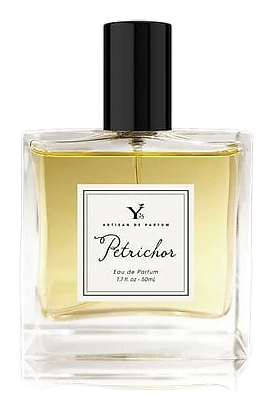
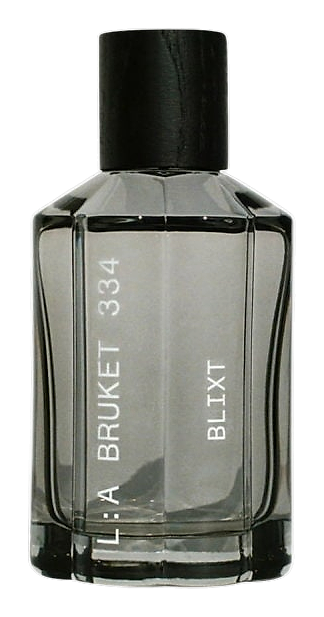
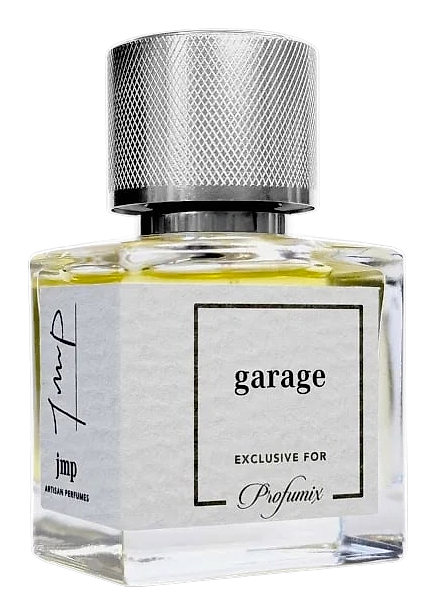
Fragrances featuring Geosmin
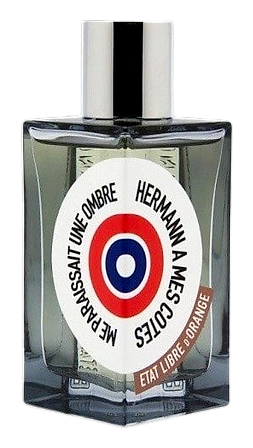
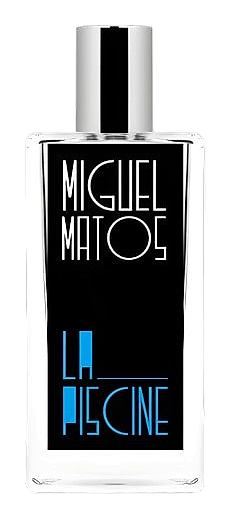
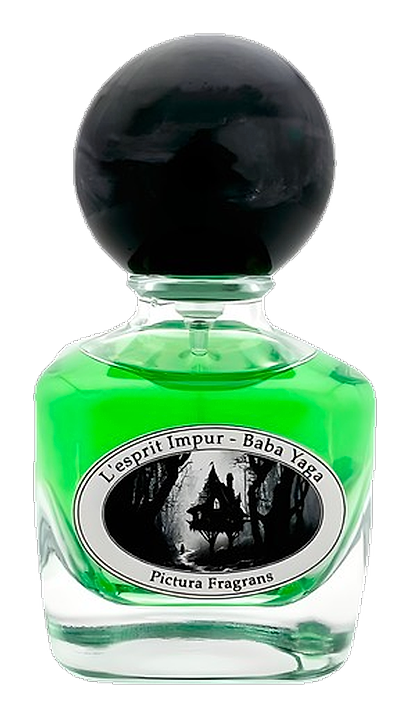
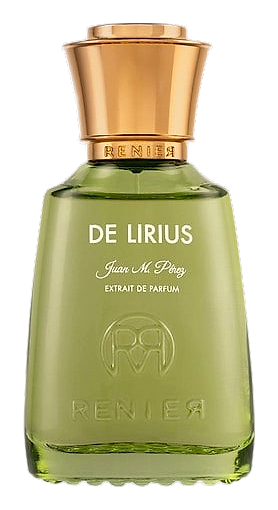
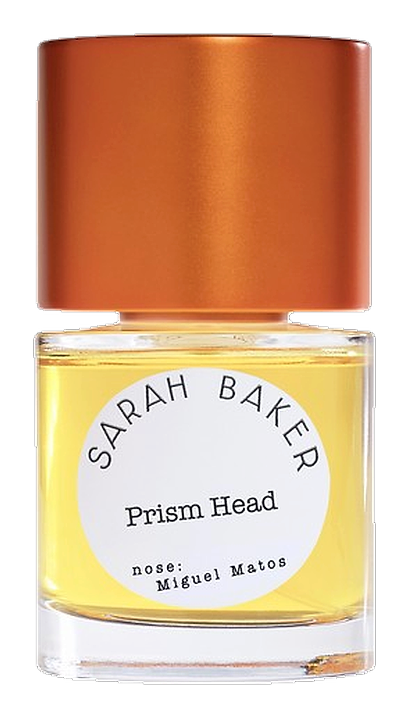
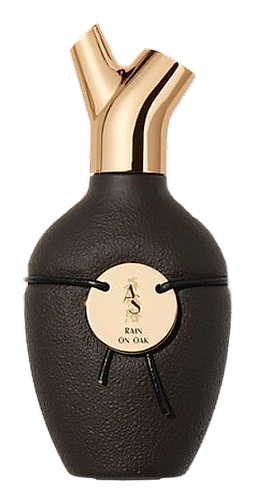
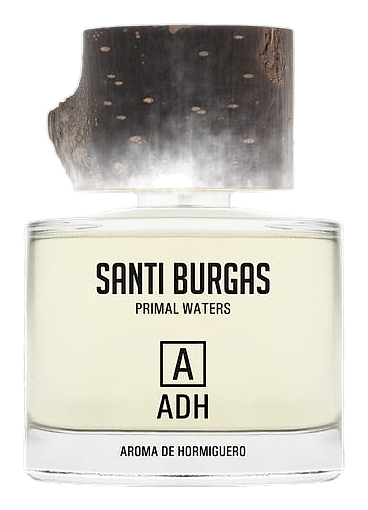

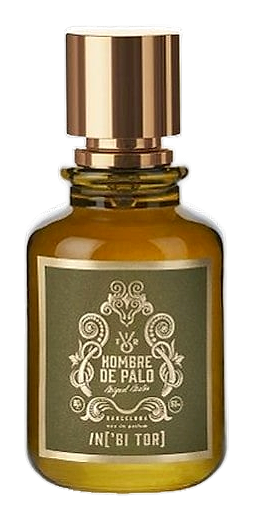
Brands
Brands known for Geosmin
Good to know
Questions, answered
The essentials on Geosmin in perfumery: how it smells, where it comes from, and how it behaves on skin.
What does geosmin smell like?
Geosmin captures the scent of rain falling on sun-baked earth. At full concentration it reads as sharp and mineral, almost metallic, but perfumers use it at extreme dilution where it transforms into transparent, rain-washed freshness. At 0.01% or below, the harshness vanishes entirely, leaving only the memory of wet soil.
Is geosmin extracted from soil?
No. Geosmin is not extracted from natural sources for commercial use. All fragrance-grade geosmin is produced synthetically, primarily through heterologous biosynthesis in engineered yeast. Natural extraction is impractical because Streptomyces bacteria produce the compound in trace amounts within complex soil matrices.
Why is geosmin so potent?
Human noses detect geosmin at concentrations as low as 10 parts per trillion, making it one of the most powerful odorants known. This extreme sensitivity likely evolved because Streptomyces bacteria produce geosmin most actively when moisture is present, making the molecule an effective signal for water availability in dry environments.
What produces geosmin naturally?
Streptomyces bacteria in soil produce geosmin biosynthetically. Certain cyanobacteria including Anabaena, Phormidium, and Planktothrix also generate the compound. Interestingly, beetroots produce geosmin endogenously, meaning the biosynthesis pathway exists independently in plants as well.
How do perfumers use geosmin?
Geosmin is used at extremely low concentrations, typically between 0.1% and 0.01% in fragrance concentrates. At these dilutions it adds a transparent mineral freshness that reads as natural and alive. It pairs naturally with asphalt, rain-soaked concrete, and other mineral-earth materials, as demonstrated in architecture like Gravitas Capitale.
Where else does geosmin appear in nature?
Beyond soil, geosmin is responsible for the muddy taste in freshwater fish including carp, catfish, and tilapia, where it concentrates in fatty skin and dark muscle tissues. It also causes episodic unpleasant taste in drinking water when bacterial populations crash and release geosmin into surface water supplies.
What is the biosynthetic pathway for geosmin?
A single bifunctional enzyme called geosmin synthase converts farnesyl diphosphate to geosmin in two steps. The enzyme's N-terminal domain first cyclises the precursor to germacradienol, which the C-terminal domain then converts to geosmin via a retro-Prins fragmentation that releases acetone as a byproduct.
Is geosmin safe for use in cosmetics and fragrances?
Yes. Geosmin is approved for use in cosmetic and fragrance applications. The molecule has been evaluated for safety at the concentrations used in perfumery, which are far below any threshold of concern. It is commonly offered diluted in safe carriers like DPG (dipropylene glycol) for ease of handling.