The Story
Why it exists.
The beginning
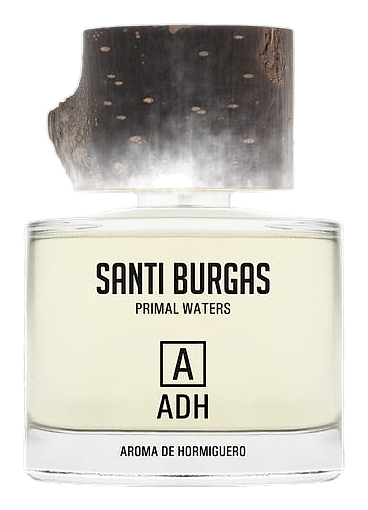
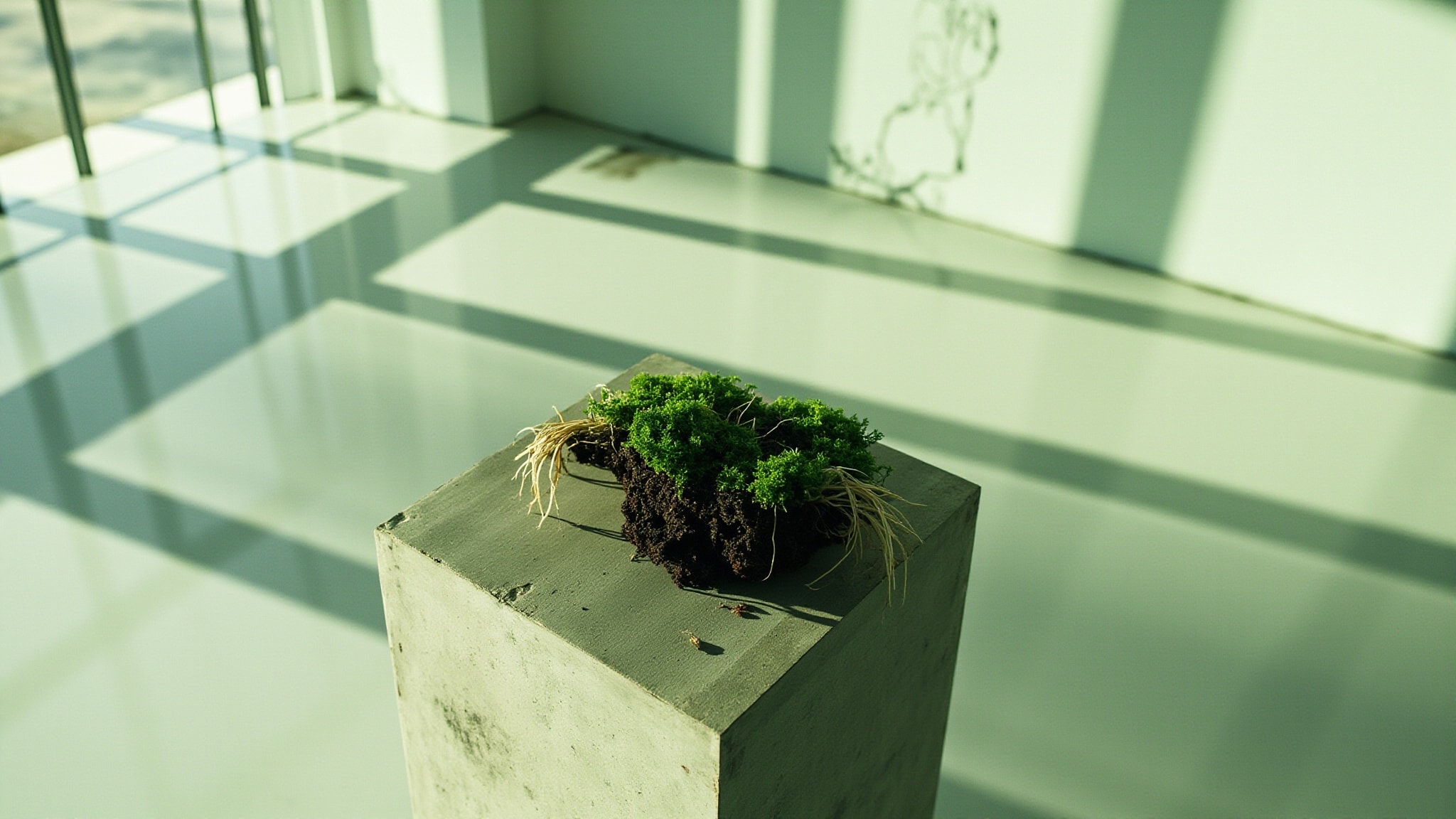
Aroma de Hormiguero translates to Anthill Scent, and no, that isn't a metaphor. Santiago Burgas was interested in what lives at ground level: the damp soil, the green pushing through, the invisible chemistry that makes earth smell like earth. Working with Rodrigo Flores-Roux in 2018, the brief was simple: capture that. Not a fantasy version of nature, but the actual, specific, slightly strange smell of things growing in Mediterranean soil. The result is a fragrance that doesn't apologize for being unusual.
Geosmin is the compound behind petrichor, that smell when rain hits dry earth. It's also the star here, which is unusual. Most fragrances bury earthiness under florals or citruses. Aroma de Hormiguero lets it lead. Mastic resin adds a green, slightly bitter edge that keeps things from getting heavy, while algae brings a marine undertone that feels more Atlantic coast than perfume counter. The combination is genuinely distinctive, this isn't an accident, it's a deliberate position taken by a brand that doesn't seem interested in being safe.
The evolution
The first thirty minutes belong to geosmin and petitgrain, green, sharp, almost astringent. It smells like walking through a forest right after heavy rain, water still dripping from the canopy. Then the heart arrives: mushroom and galbanum add an umami richness, a savory depth that shifts the composition from fresh to earthy. Artemisia keeps things bitter enough to feel interesting. By hour three, vetiver and oakmoss have taken over, mossy, slightly animalic, close to the skin. Patchouli and fir balsam linger into the next morning, faintly, like the forest remembers you were there.
Cultural impact
Aroma de Hormiguero arrived in 2018 as part of a wave of niche perfumery rejecting mainstream conventions. Spanish perfumer Santi Burgas created the house to explore olfactory landscapes often overlooked by commercial fragrance, the specific, grounded, and sometimes uncomfortable. The geosmin-driven concept, embracing scents that smell of earth after rain rather than idealized florals or woods, positioned the brand as anti-luxury in a market obsessed with aspiration. This approach resonated with a growing segment of fragrance enthusiasts seeking authenticity over polish, helping establish Santi Burgas as a reference point for conceptual niche perfumery in the 2010s.