



















Heritage
A house, in its own words
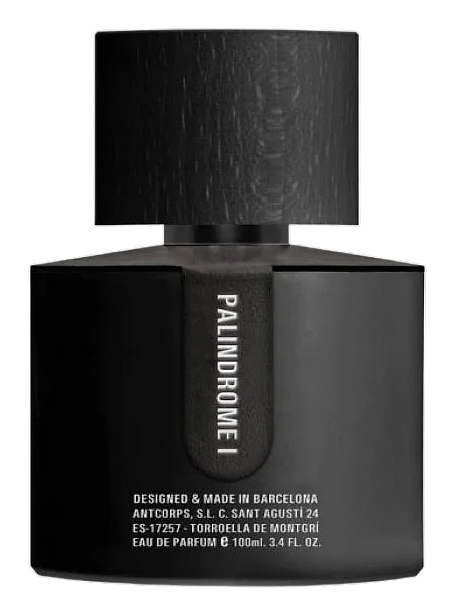
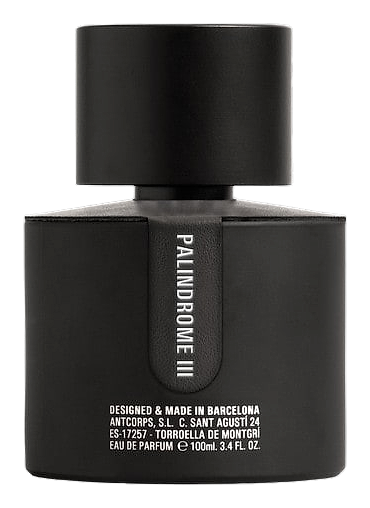
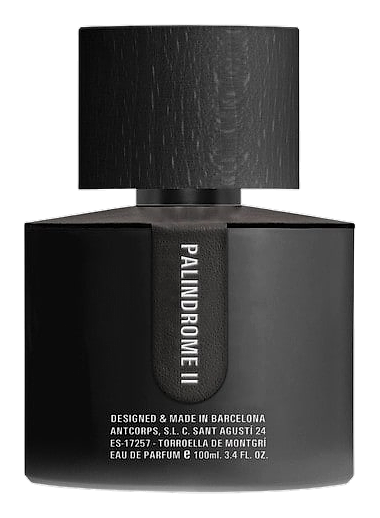
Santi Burgas traces its origins to 2008 when Santiago Burgas established the house in Catalonia, Spain. The physical home of the brand occupies a converted storehouse in the Empordà region, a historic building that previously functioned as a facility for drying rice. This agricultural heritage distinguishes the production environment from conventional perfumery settings. The brand released its inaugural Eau de Parfum in 2008, marking the beginning of its formal presence in the niche fragrance market. During 2013, the house expanded its catalog with releases including LOVANN and LOMUSK, establishing early pillars of its creative direction. The year 2015 brought significant visibility when the White Collection made its public debut at Esxence, an international fragrance exhibition held in Milan. This collection introduced pieces such as Oud de Burgas and Flaming Red, signaling the brand's approach to reinterpreting classical aromatic themes. Subsequent years saw continued output with the Palindrome series beginning in 2017, alongside geographically-inspired compositions released through 2018. The house maintains its base in the Empordà region while developing fragrances that engage with Mediterranean olfactory traditions and international influences. The Santi Burgas approach centers on reimagining classical fragrance structures, particularly those associated with traditional 1970s and 1980s colognes. Rather than departing entirely from established perfumery conventions, the brand works within recognizable aromatic frameworks while introducing contemporary interpretations. This positions the house as simultaneously rooted and forward-looking, acknowledging perfume history while pursuing individual expression. The brand operates as a independent entity without disclosed perfumer collaborations, suggesting that fragrance development occurs through direct formulation rather than external partnerships. Santi Burgas presents its work through named collections that organize releases by thematic or aesthetic criteria, allowing wearers to navigate the catalog according to conceptual groupings rather than chronological release alone. The decision to use a personal surname for the brand creates a direct association between the creator and the creative output, lending an intimate quality to the enterprise. This structure reflects a philosophy of direct authorial presence in the work, where individual vision drives the direction of each composition.