The Story
Why it exists.
The beginning
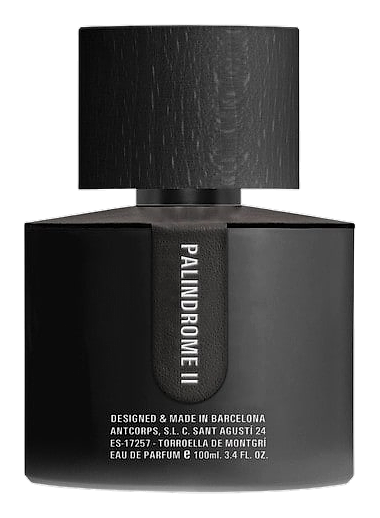
Santi Burgas named this fragrance for himself, not as ego, but as declaration. Every house has a signature, a scent that distills what they believe about fragrance. For the perfumer behind this house, that belief lives in reimagining what classical structures can become. This eponymous expression showed exactly where the brand stood: rooted in tradition, but looking sideways at it. The leather. The violet. The amber-warm base. This wasn't safe composition, it was intention. A perfumer building his case, one note at a time. The interplay between these elements creates something that feels both familiar and unexpectedly fresh, a nod to the past while pushing toward something new.
What makes the structure work is the hand-off between heart and base. The leather and violet arrive together, powder-soft, floral, almost delicate, then meet amber, vanilla, and benzoin that warm everything from beneath. Patchouli and cedar do not overpower; they anchor. The thyme in the opening, sharp and herbal, signals that this leather is not from a saddle. The blend of these notes creates a warmth that rises gently from below, with resinous and sweet elements weaving through the composition. Patchouli keeps it grounded.
The evolution
The bergamot arrives first, bright, immediate. Mandarins follow, rounding the citrus into something softer. Then the thyme pushes through, herbal and assertive, asserting itself. The first twenty minutes feel like a transition, a shift in character as the top notes settle. The leather does not crash in, it emerges gradually, violet petals softening its edges, geranium adding a green-floral lift that keeps the heart from becoming heavy. This is where the fragrance earns its name. The leather is warm, not harsh. Powdered, not animalic. As time passes, amber and benzoin become more prominent, resinous and sweet. Vanilla brings the softness. Patchouli keeps it grounded. Cedarwood lingers. The drydown has a quality of warmth, a presence that remains, something felt in the air after it has settled.
Cultural impact
Santi Burgas emerged from the 2008 niche fragrance revival as a voice that brought something different to a market then dominated by established heritage houses and opulent compositions. The eponymous scent arrived as artisanal perfumery began reclaiming territory from mass-market offerings. Santi Burgas built his reputation on classical structure with regional specificity, anchoring his work in the olfactory landscape of northeastern Spain. The approach reflects a broader movement among independent perfumers who root their work in local botanical and cultural traditions rather than seeking global ubiquity.