The Story
Why it exists.
The beginning
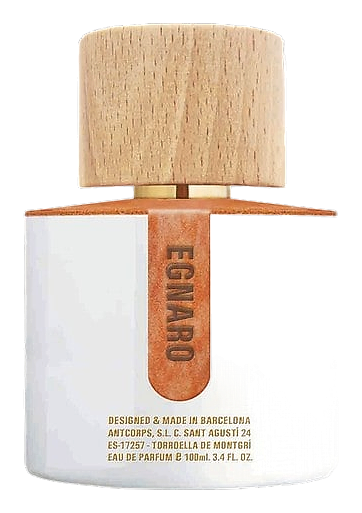
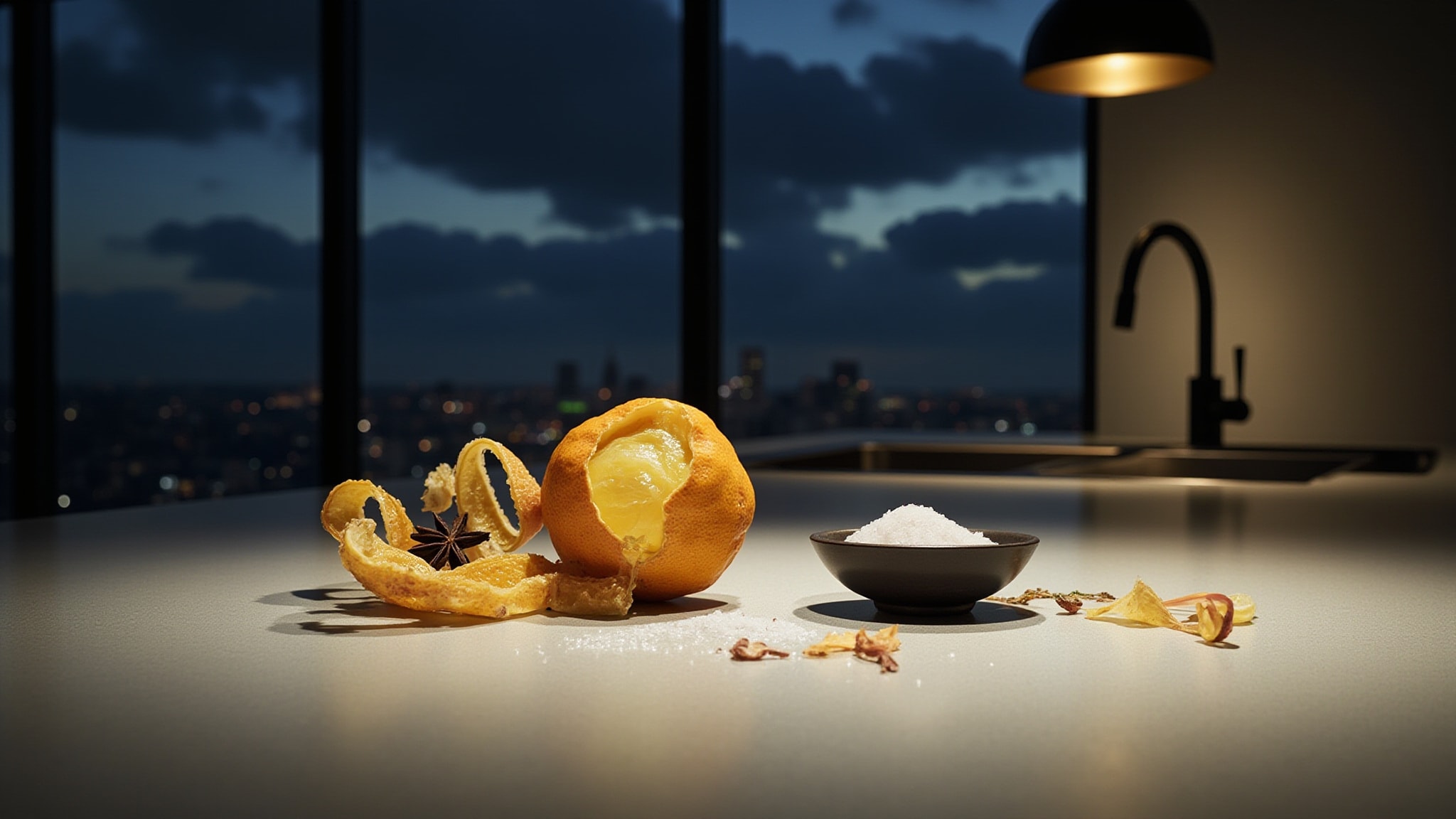
Egnaro is orange spelled backward, and the name does the work before the juice even hits the bottle. The brand's own press copy places this in 1992, a child standing on a Mediterranean deck somewhere between Valencia and Palermo, hours spent with the sea as the only witness, the breeze bringing every coastal scent up to meet them. That single image bleeds straight into the juice itself: bitter orange and bergamot open with the snap of sun-warmed peel being torn by hand, a green zest that feels alive rather than decorative, backed by a marine saltiness that suggests proximity to open water rather than a perfumer's idea of it.
What's notable here is what the perfumer chose to build around that childhood orange memory: civet absolute in the top notes, pushing the citrus into animal territory before the sweetness can settle. Most orange fragrances go bright or soapy. Egnaro goes feral. The star anise and ginger in the heart don't behave like a kitchen spice rack either, they arrive as a sharp aromatic crack, like black liquorice cut with cold ginger, forcing the orange to share the stage. Australian sandalwood and amber form a warm, creamy base that the Calabrian bergamot keeps lit from underneath, almost a second citrus shadow. The structure borrows from classical cologne shapes but treats the civet like a dare rather than a whisper.
The evolution
The first ten minutes are loud in a very specific way. Valencia orange, civet, and the lift of star anise all hitting at once, bright and dark in the same breath, the sweetness undercut by something powdery and animal that most modern citrus fragrances wouldn't dare put next to a fruit note. Civet reads warm and musky here, almost a furry warmth, more suggestive of skin than of anything literal. The orange rides high above it, but you can feel the civet pulling the whole composition down toward something more grown-up than a breakfast juice. By the one-hour mark, the ginger asserts itself. It arrives as clean heat, sharper than the anise, drying the fruit out and turning the whole thing spicier. The sandalwood begins to surface underneath, giving the composition a creamy spine that the earlier brightness can lean against. The Calabrian bergamot in the base doesn't repeat the opening citrus, it lurks, slightly bitter, slightly herbal, keeping the edges of the fragrance from going soft. The drydown is where Egnaro earns its longevity rating.
Cultural impact
Wearers who love Egnaro describe a kind of sun-warmed intimacy, something that triggers childhood coastal memories rather than cocktail-bar associations. The civet makes it polarizing; the orange makes it approachable. For people who want a citrus fragrance with a genuine undertone of skin rather than a soapy aftertaste, this lands with a warmth and a slight dirtiness that most clean citruses refuse to offer. There's a rawness here that feels earned rather than designed, as if the perfumer set out to bottle a specific afternoon rather than a generic idea of summer.