
The Story
Why it exists.
The beginning
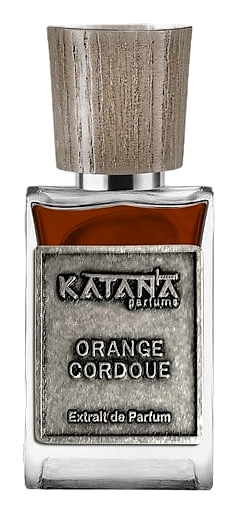
Alp Veliogulliari built Orange Cordoue around a single contradiction: what happens when the brightest citrus gets anchored by the darkest animalic material in the perfumer's palette? The answer lives in Katana's signature Siberian Castoreum Musk tincture, the house's characteristic anchor, pushed into dialogue with an all-day citrus explosion. The name evokes Cordoba, the ancient city where East and West traded more than goods. Something similar happens here: two opposing olfactory worlds meeting, negotiating, and eventually finding an uneasy peace.
What makes this composition unusual is the structural honesty. Most fragrances bury their most challenging material deep in the base. Orange Cordoue doesn't. The castoreum announces itself within the first hour, waxy, close, almost industrial in its realism, while citrus still hangs in the air above it. This creates a layered effect: you smell sweet and animal at the same time. The addition of Cuban tobacco (present according to enthusiasts) adds a faintly smoky warmth that prevents the whole thing from tipping into harshness. It's a difficult balance, and the fact that it holds is a testament to the formulation.
The evolution
The opening is a citrus detonation, tangerine, sweet orange, and lemon arriving simultaneously with real intensity. It smells like fruit being peeled at speed, all zest and immediacy. This phase lasts roughly 20 to 30 minutes before the character shifts. The castoreum emerges as the citrus begins to thin, bringing a waxy, leathery note that reads almost industrial at first, raw and unpolished in a way most modern fragrances avoid. The leather doesn't compete with the citrus so much as it undercuts it. Around the one-hour mark, sandalwood enters. Creamy and warm, it doesn't erase what came before but it steadies it. The roughness softens. By hour three, the composition has settled into an orange-musk-sandalwood triad that lingers for another five to seven hours on most skin. The drydown is calm but never entirely domesticated, there's always something underneath that remembers where it came from.
Cultural impact
Orange Cordoue arrived during a period when niche perfumery increasingly embraced challenging animalic materials, reflecting a broader trend toward bold, uncompromising compositions. Its Turkish origin, emerging from a market historically oriented toward oils and ouds rather than Western florals, positions it as part of a growing exchange between Middle Eastern olfactory traditions and European niche aesthetics. The fragrance's unapologetic use of castoreum, once a staple of classical perfumery but now rare due to ethical and regulatory pressures, contributes to ongoing conversations about authenticity, heritage, and the preservation of older perfumery techniques.