Siberian Castoreum
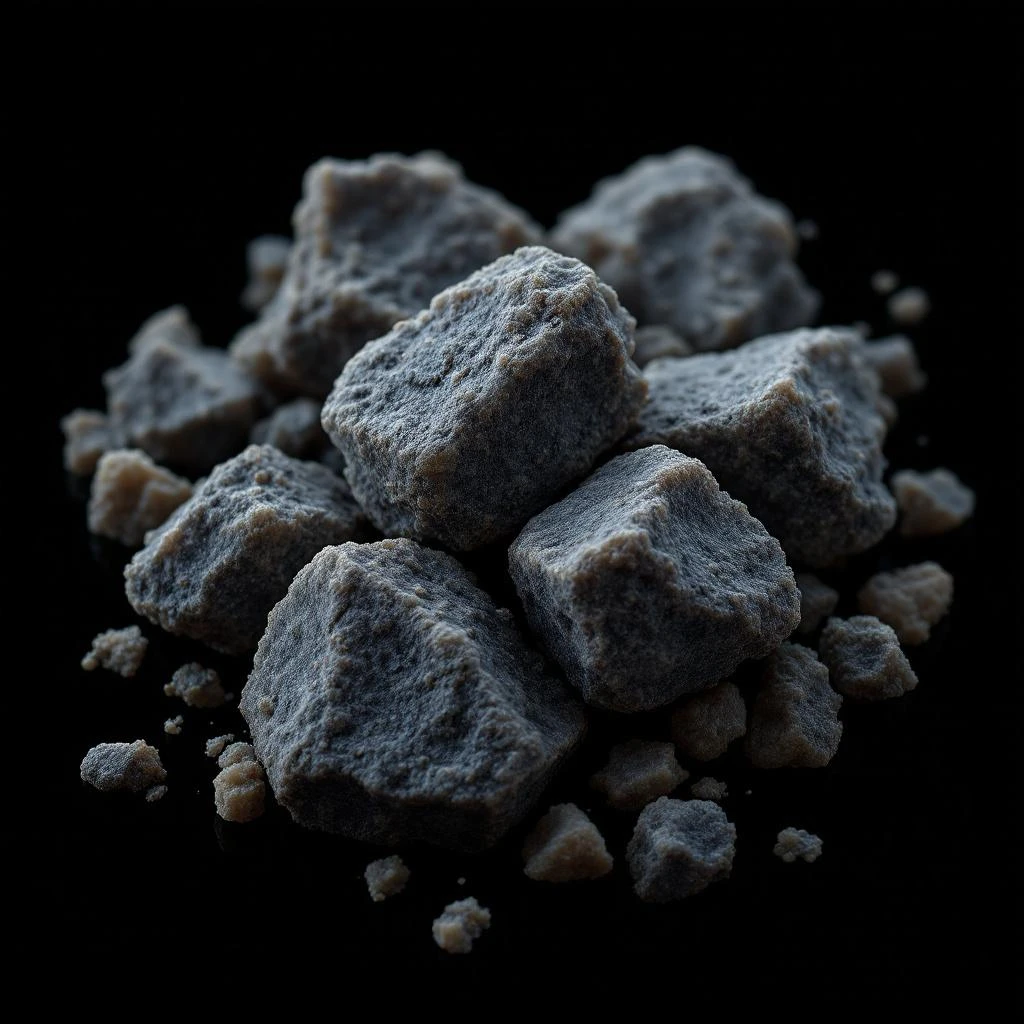
Siberian Castoreum delivers warm, animalic depth with leathery and smoky undertones. This ancient base note adds dimension that synthetic alternatives still strive to match in fine perfumery.

Character
How it smells
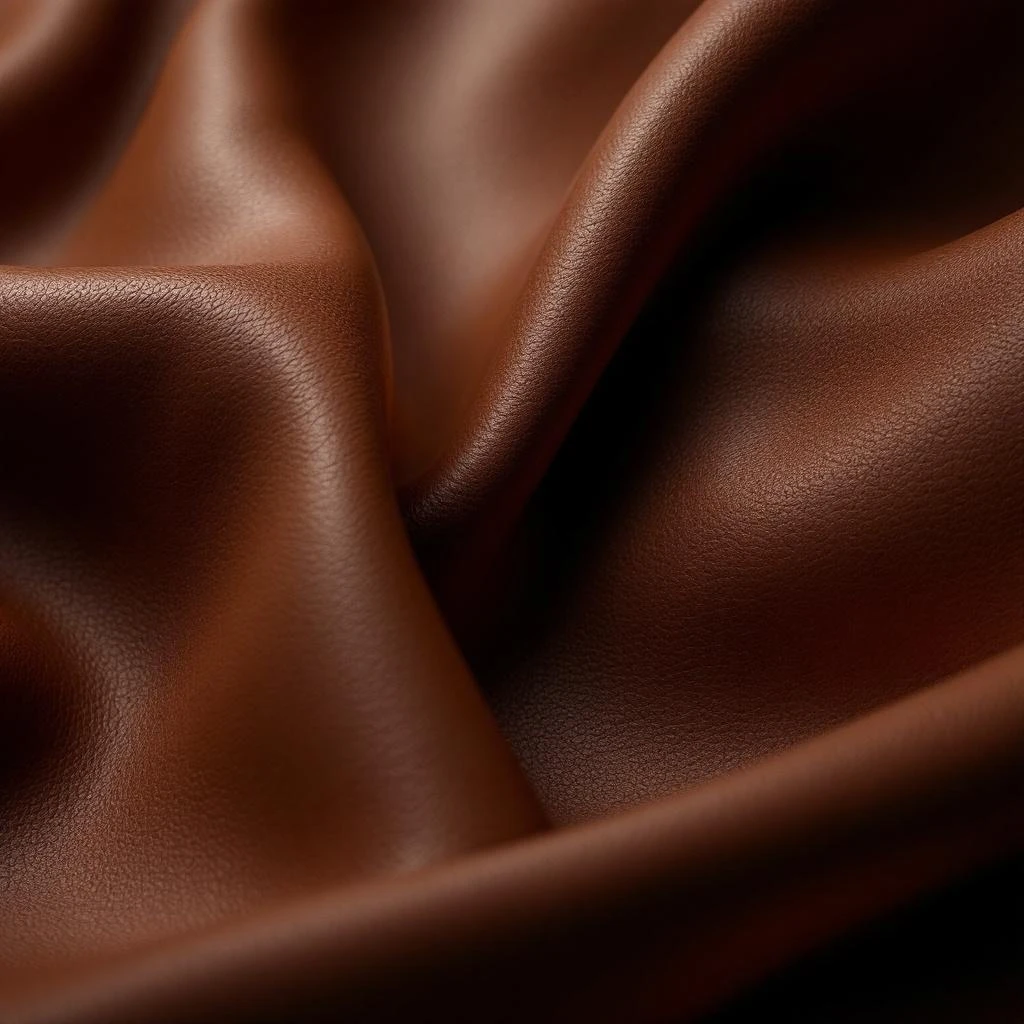
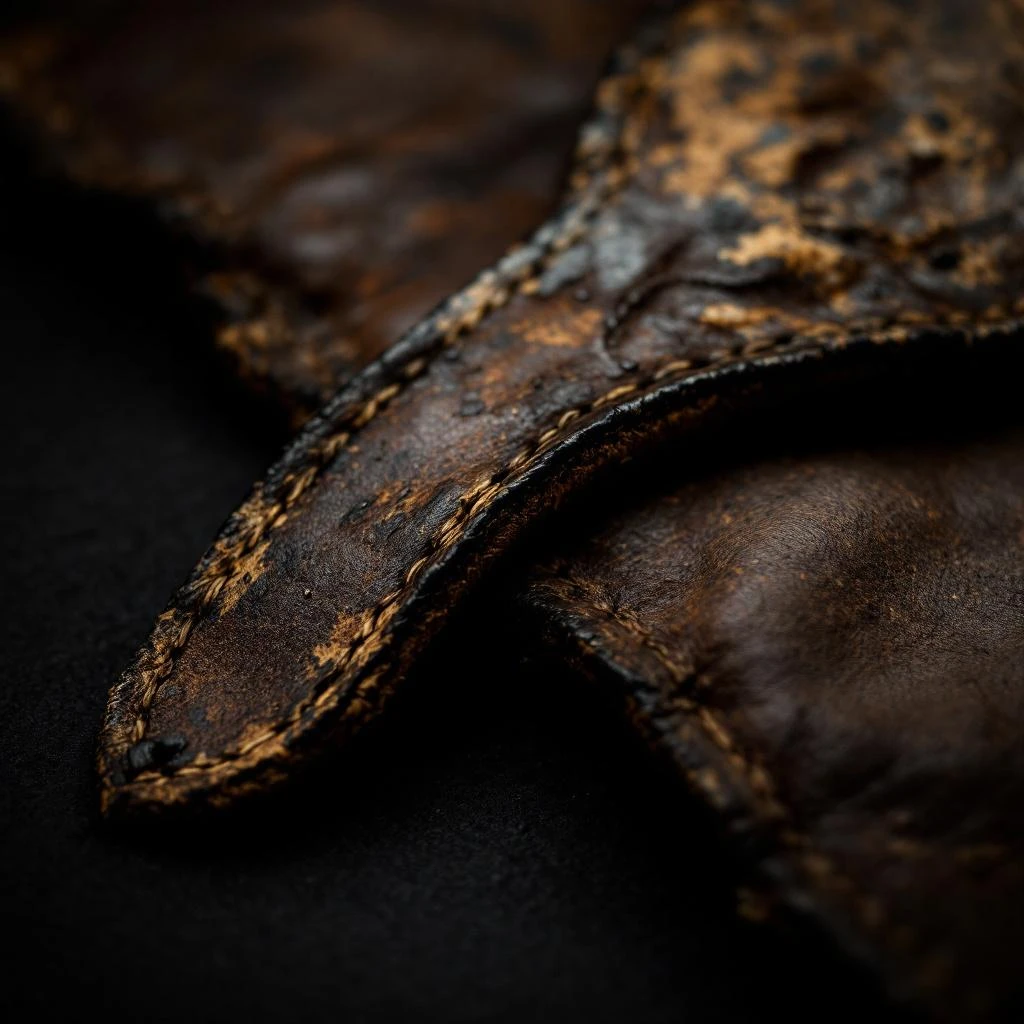
Warm leather, smoky depth, vintage soul.
Alexander the Great discovered castoreum around 330 BC when his armies encountered beaver-hunting tribes during their Persian campaigns.




Origin
Russia
Beaver secretions have perfumed human civilization for over two millennia. Alexander the Great first documented castoreum around 330 BC when his army encountered Persian traders who collected the substance from beavers during their hunts.
The ancient Greeks and Romans valued these secretions for their fixative properties. By the 18th and 19th centuries, Victorian perfumers elevated castoreum to essential status, recognizing its ability to make fragrances last longer while adding warmth and animalic depth.
The Siberian designation specifically references the European beaver (Castor fiber), whose habitat historically extended across Russia and Eastern Europe. Early 20th-century ethical concerns about wildlife preservation and more efficient synthetic alternatives largely displaced natural castoreum from mainstream perfumery, though select houses still incorporate natural or naturally identical versions in heritage compositions.
Wears it best
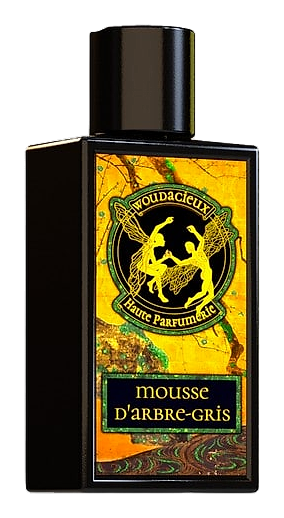
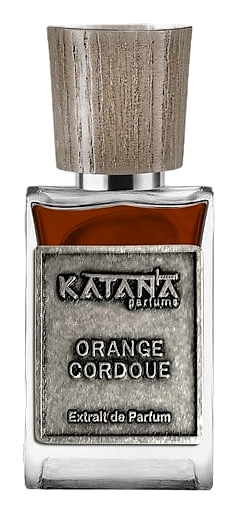
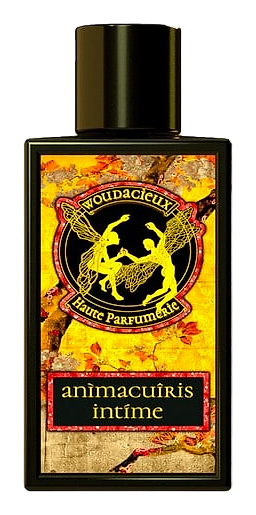
Fragrances featuring Siberian Castoreum
Brands
Brands known for Siberian Castoreum
Good to know
Questions, answered
The essentials on Siberian Castoreum in perfumery: how it smells, where it comes from, and how it behaves on skin.
What does Siberian Castoreum smell like?
Siberian Castoreum carries warm, animalic character with leather, tobacco, and smoky undertones. It adds depth and longevity to fragrance compositions as a base note, creating a vintage quality that distinguishes perfumes using it.
Is Siberian Castoreum harvested from real beavers?
Natural castoreum comes from the scent glands of the European beaver (Castor fiber). Commercial production today primarily sources from Canadian fur farms. Most modern perfumes use synthetically reproduced castoreum molecules rather than animal-derived material.
Why did synthetic alternatives replace natural castoreum?
By the early 20th century, perfumers began creating synthetic alternatives for ethical and environmental reasons. Natural castoreum also presented challenges: supply inconsistency, high cost, and strong regional气味 variations made standardization difficult.
What is castoreum used for in perfumery?
Castoreum functions primarily as a base note and fixative. It imparts animalic warmth, leathery accords, and smoky depth while helping top notes linger longer on the skin. It appears in both vintage-style and contemporary fragrances seeking rich, complex character.
How is castoreum extracted from beavers?
Harvesters collect the castor glands during standard fur processing. After drying, the glands undergo steam distillation to isolate the aromatic compounds. The resulting oil or tincture requires dilution before perfumery use due to its intensity.
Does castoreum appear in contemporary fragrances?
Natural castoreum remains rare in modern perfumery due to cost and ethical considerations. However, synthetically reproduced castoreum molecules appear frequently, lending animalic warmth to countless contemporary fragrances.