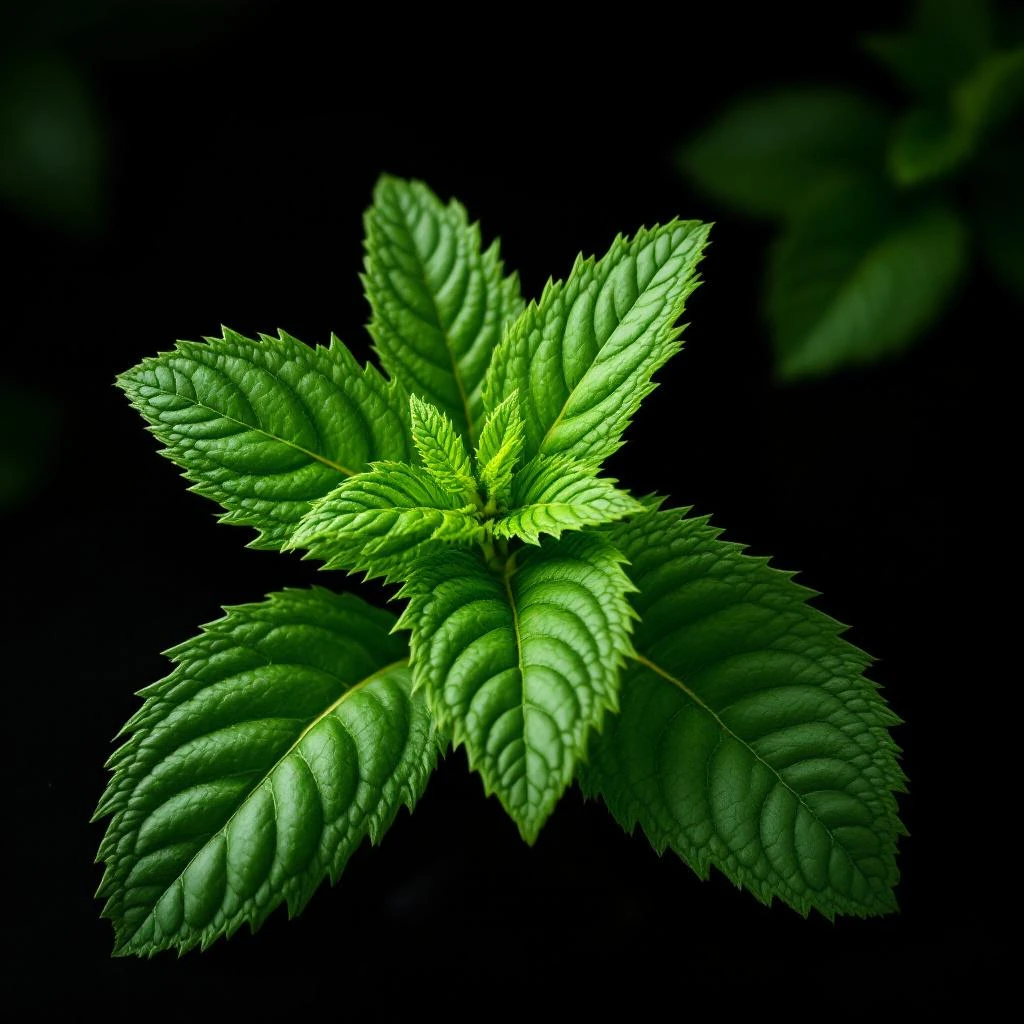
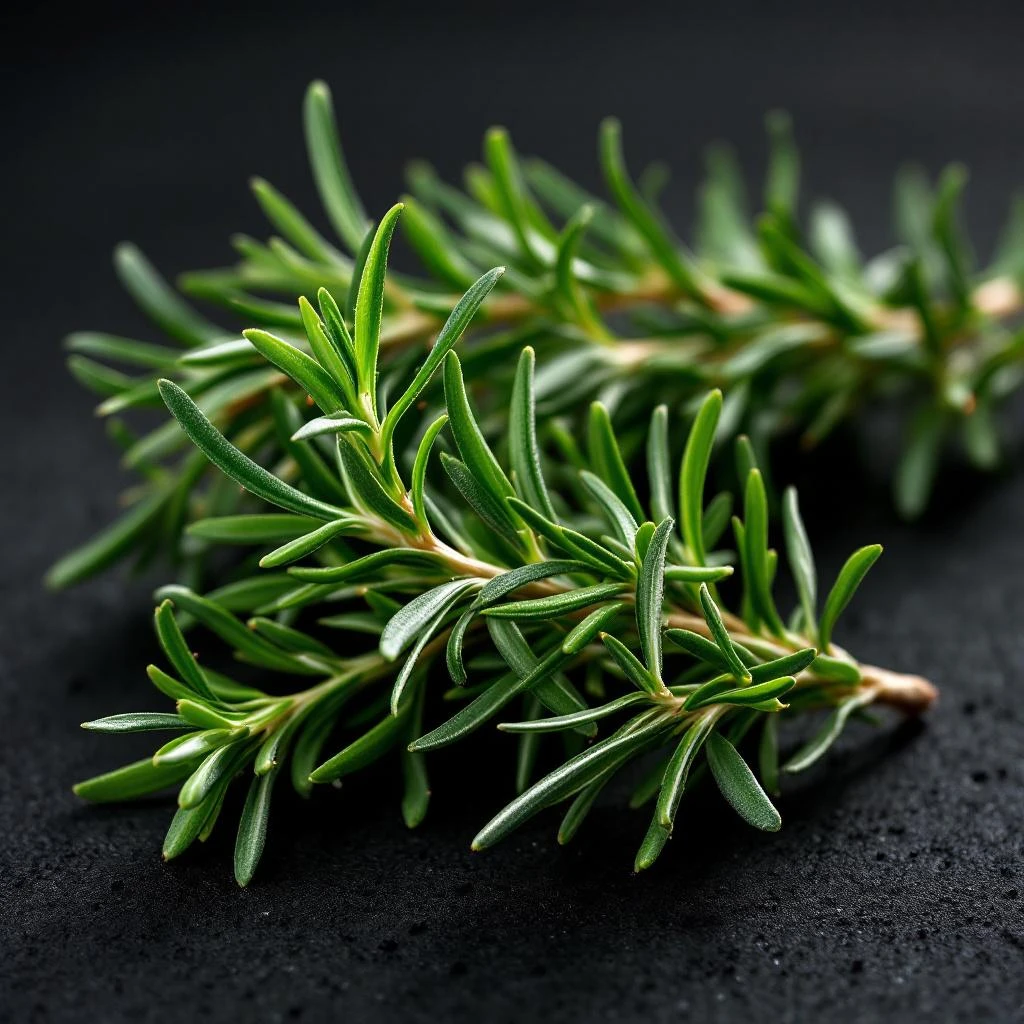
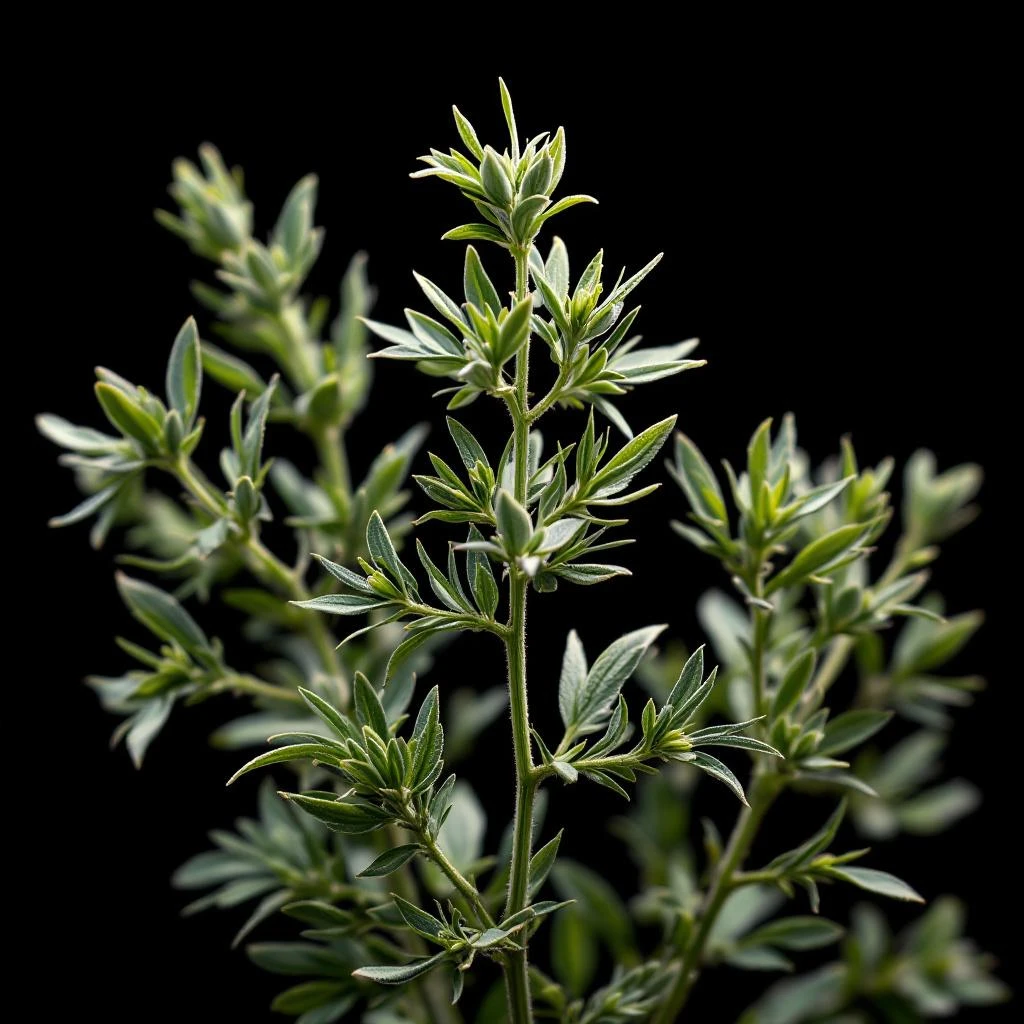
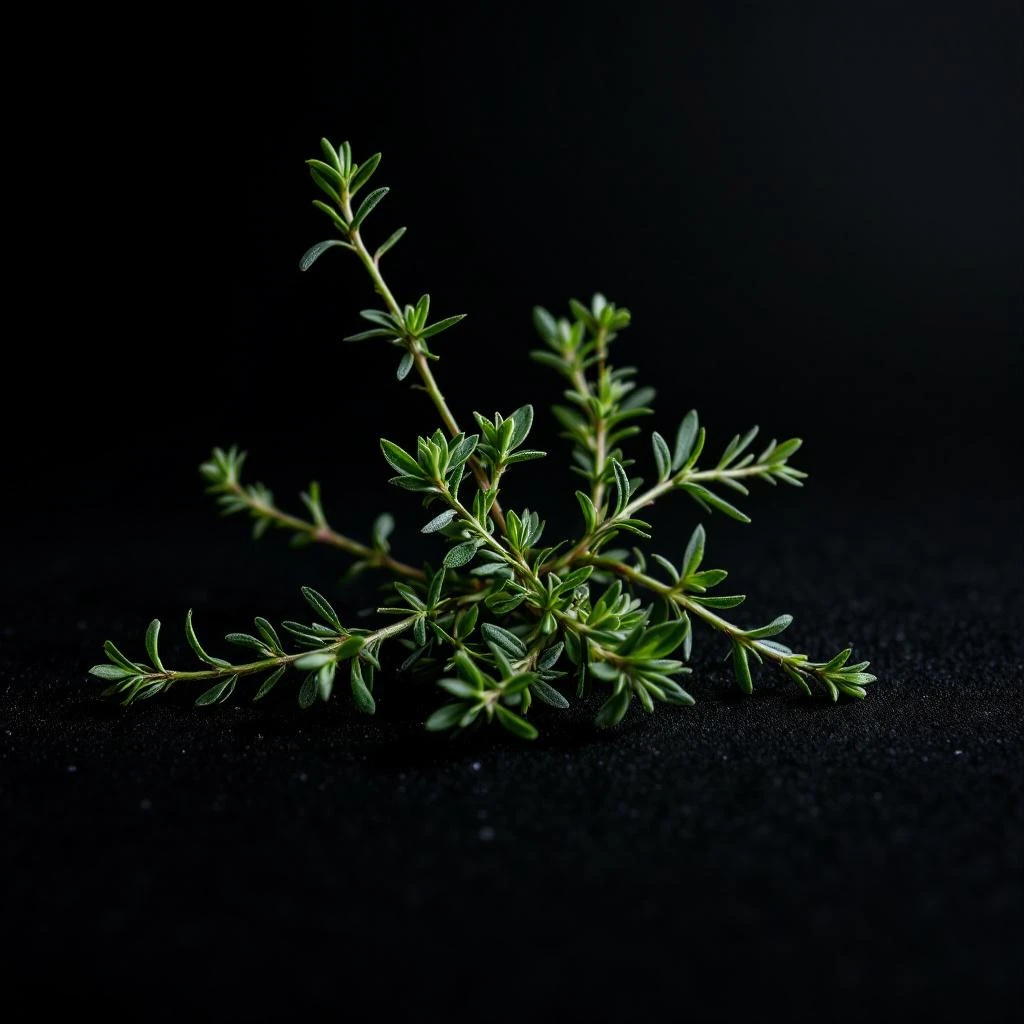
Libyan Rue
Libyan Rue delivers an intensely herbaceous, slightly bitter aroma with green, camphorated facets that add unexpected depth and complexity to fragrance compositions.
Character
How it smells
A bitter green note with ancient Mediterranean soul.
Rue once perfumed the legendary libraries of ancient Alexandria, where scribes used its aromatic properties to scent scrolls and manuscripts.



Origin
Libya
Rue held sacred status across ancient Mediterranean civilizations. Egyptians used it in funeral rites and temple rituals. Greek physicians like Dioscorides documented its therapeutic properties in the first century CE.
In Libya, Berber communities traditionally cultivated rue around homes for protection—a practice that influenced its later use in perfumery. The plant traveled with ancient trade routes, establishing itself as a Mediterranean aromatic staple long before modern fragrance chemistry emerged.
Wears it best
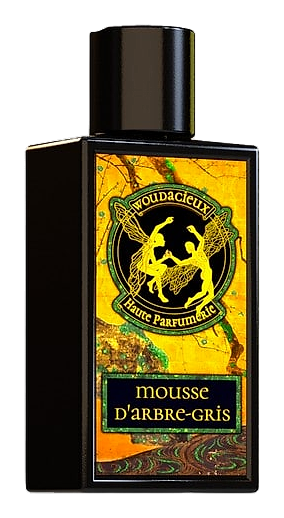
Fragrances featuring Libyan Rue
Brands
Brands known for Libyan Rue
Good to know
Questions, answered
The essentials on Libyan Rue in perfumery: how it smells, where it comes from, and how it behaves on skin.
What does Libyan Rue smell like?
Libyan Rue carries a sharp, herbaceous aroma with bitter green notes and subtle camphor undertones. It adds an unusual complexity that works well with citrus and other aromatics.
Is Libyan Rue used frequently in perfumery?
Libyan Rue appears sparingly due to its potent character. Perfumers employ it as a modifier in small quantities—typically below 2% of a formula—to add depth without overwhelming compositions.
What extraction method produces Libyan Rue oil?
Steam distillation extracts the essential oil from fresh flowering tops. This method preserves the active aromatic compounds while removing the heavy base notes present in other extraction approaches.
How long has Rue been cultivated in Libya?
Historical records suggest Rue cultivation in the Mediterranean region spans over 2,000 years. Libyan and Berber communities maintained the tradition for centuries as both ritual and aromatic use.
Does synthetic Rue replace natural oil in modern fragrances?
Synthetic Rue compounds exist but rarely match the complexity of natural oil. Modern perfumers sometimes blend both approaches to achieve consistent香气和 cost efficiency.
What fragrance families use Libyan Rue?
Libyan Rue appears primarily in aromatic and green fragrance families. Chypre and fougère compositions also incorporate it to introduce herbaceous complexity and bitter counterpoints.
Are there safety concerns with Rue in perfumery?
IFRA guidelines regulate Rue oil concentration in consumer products due to phototoxic compounds present in the raw material. Professional formulators follow strict dilution protocols.
Why is Libyan Rue considered distinctive compared to other sources?
Libya's unique growing conditions—high temperatures and arid soil—produce Rue with elevated concentrations of characteristic aromatic compounds, giving the oil a particularly intense profile.