
The Story
Why it exists.
The beginning
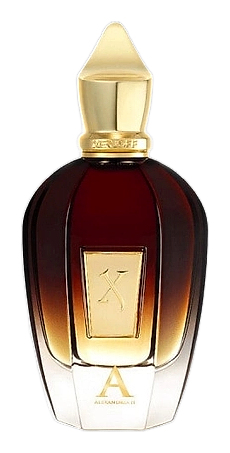
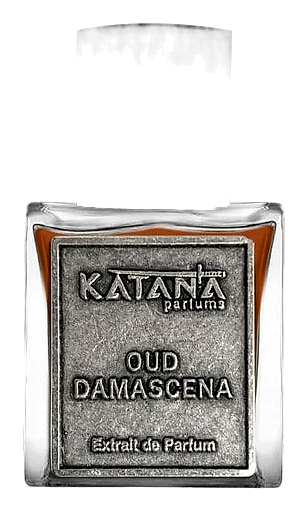
Oud Damascena began with a conviction held by some perfumers in the Middle East: that agarwood and the rose are, essentially, the same material in different forms. The premise explores the relationship between these two materials, treating both as central rather than complementary. The composition seeks to find the intersection where each amplifies the other, creating something greater than either could achieve alone. The result is a fragrance that refuses to choose between the resinous depth of oud and the blooming richness of rose, instead allowing them to occupy the same space with equal weight.
The choice of Bengal oud shaped the entire structure. Only the infected parts were distilled, a process that concentrates the darker, more complex compounds the wood develops under stress. This isn't a softened or rounded oud. It's the raw material, treated with minimal intervention. Against it, Damascena rose appears at every level of the pyramid: absolute, otto, and may rose each contributing a different dimension. The smoke runs through the composition, threading through from opening to drydown, lending an organic warmth that connects the floral and woody elements.
The evolution
The yuzu opens sharp, almost electric, a citrus flash that cuts through the richness waiting beneath. The animalic character asserts itself as the initial brightness settles. The oud arrives with weight. The smoke doesn't compete, it weaves. What's surprising is how the rose doesn't soften as the oud deepens. It stays, present at every stage, not as decoration but as structural support. The smoke persists, refusing to fade even as other elements evolve. The animalic quality refines rather than disappears, less barnyard, more skin-warm depth. On fabric the next day, a faint trace of woody smoke and dried rose remains. The drydown rewards patience.
Cultural impact
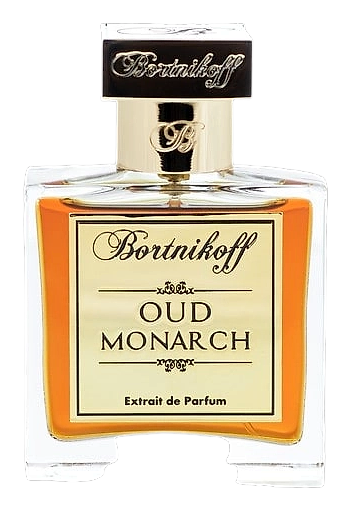
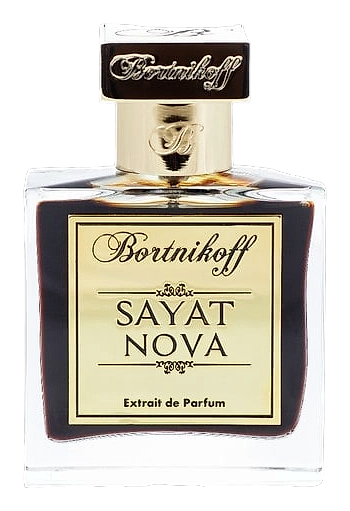
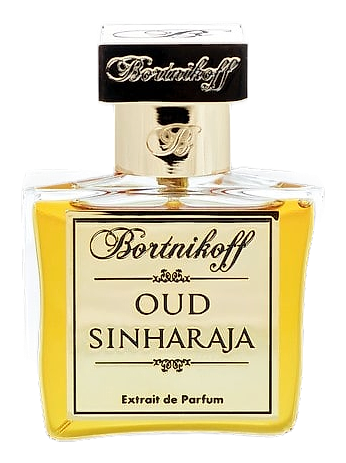
Oud Damascena occupies a specific corner of the niche oud conversation. The strong projection and polarizing animalic character define its character. It shares territory with animalic-forward ouds like Bortnikoff Oud Monarch. The fragrance presents a bold interpretation that prioritizes intensity and depth, appealing to those who appreciate compositions with strong presence and unapologetic character. Its smoked rose and barnyard depth create a distinctive combination within the animalic oud category.
The House
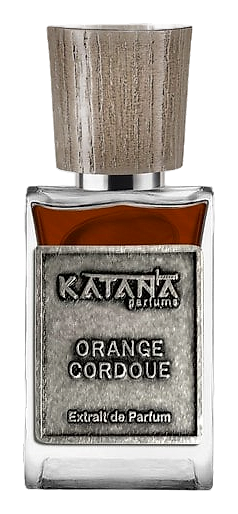
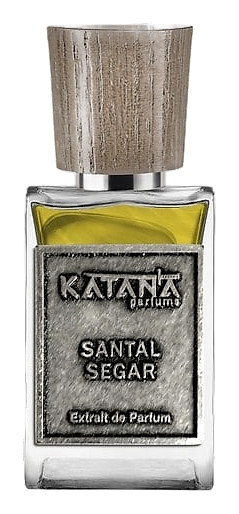
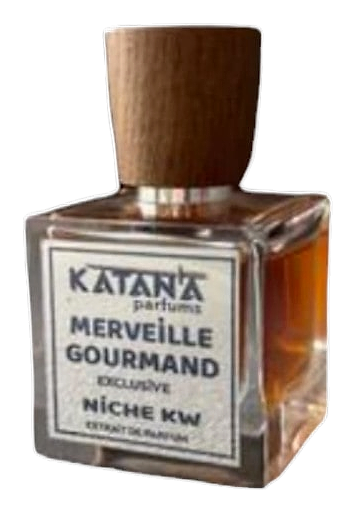
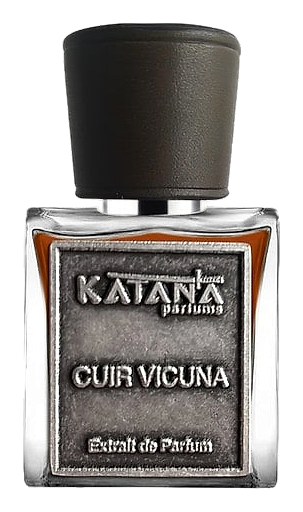
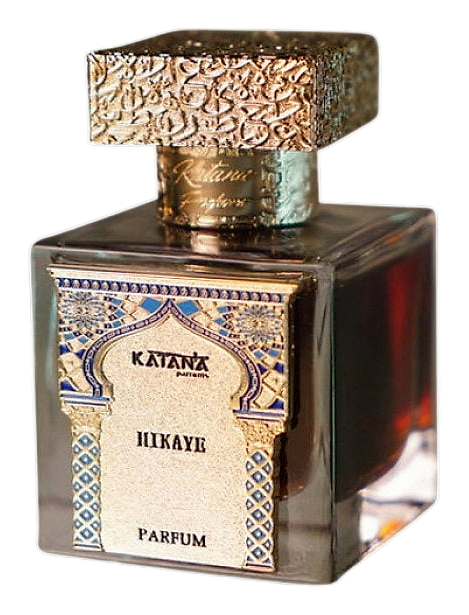
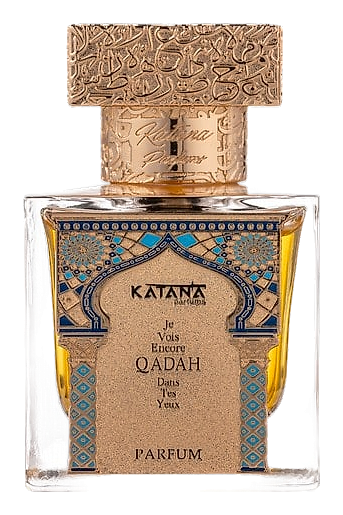
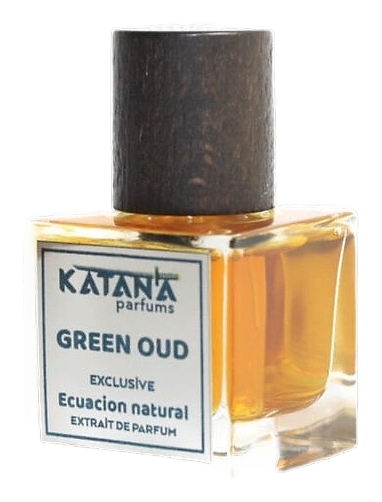
Katana ParfumsKatana Parfums emerged in 2021 with a commitment to all-natural perfumery, drawing deeply from Eastern olfactory traditions. The house centers its collections around oud, a resinous wood prized across Asian cultures for centuries, alongside other natural materials sourced from their regions of origin. The brand operates from a foundation of handcrafted production, with each fragrance developed to evoke the power and sharpness its founder associates with Asian heritage. Rather than chasing mainstream Western trends, Katana Parfums builds its catalog around ingredients with deep cultural resonance, presenting them through a contemporary lens that respects their ancestral roots.
The Creator
Alp VeliogullariHis technical foundation in Grasse shaped a refined, balanced aesthetic that emphasizes natural materials. Reviewers have noted his skill in rendering single notes with photorealistic clarity, suggesting a nose drawn to precision and sensory honesty.