The Story
Why it exists.
The beginning
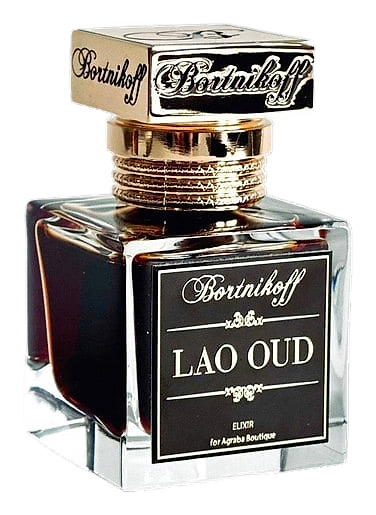
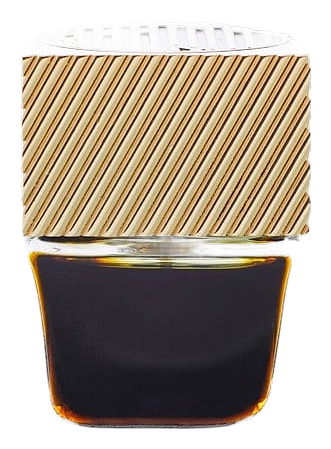
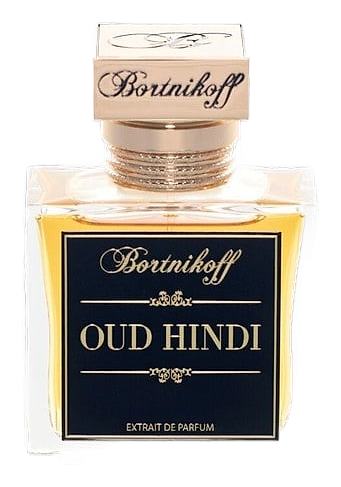
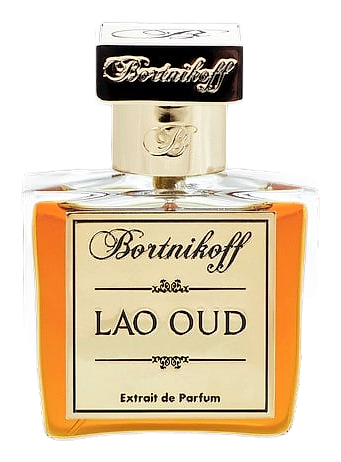
Dmitry Bortnikoff has visited Laos more than twenty times. He describes a country where time feels suspended, monasteries fragrant with incense, and the Mekong runs slow beneath ancient bridges. When a Laotian oud oil of exceptional character arrived in his hands, he built Lao Oud around it, not as backdrop, but as the entire point. Coffee from Laos. Frangipani. Warm spices. A composition that translates a specific landscape into something you can wear.
What sets Lao Oud apart is the transparency of the oud itself. This isn't a foundation note holding up prettier things, the Laotian oud drives the entire structure with genuine animalic intensity. Cocoa absolute and birch tar amplify rather than soften. The result is assertive, uncompromising, and rewards the wearer who wants to feel what they're wearing, not just smell it.
The evolution
The opening is a trick. Magnolia and pink pepper arrive clean, bright, you think you're in for something gentle. Within minutes, the Laotian oud surfaces. Honeyed. Animalic. Fecal in the best possible way, the kind that smells real instead of manufactured. The heart unfolds into chocolate absolute, beeswax absolute, chamomile. The sweetness tempers the wildness without domesticating it. Cinnamon lingers. Then the base: guaiac wood, birch tar, coffee, tonka bean, vanilla absolute. Darker now. Smokier. The animalic note doesn't disappear, it deepens. Settles into the skin like a memory. The drydown lasts for hours on fabric, warmer the next day as a smoky residue that clings.
Cultural impact
Bortnikoff represents a return to natural perfumery in an era dominated by synthetic compositions. Lao Oud, launched in 2021, arrives during a renewed fascination with oud among Western collectors, many of whom had limited exposure to Laotian oud before this release. The brand's decision to relocate founder Dmitry Bortnikoff to Thailand reflects a broader trend of perfumers seeking proximity to raw material sources. Lao Oud's coffee and cocoa-laden animalic profile challenges the sweeter, more accessible oud interpretations popular in mass markets. The fragrance speaks to wearers who seek scent as a form of self-expression rather than mere pleasantness, contributing to conversations about materiality, provenance, and authenticity in niche perfumery.