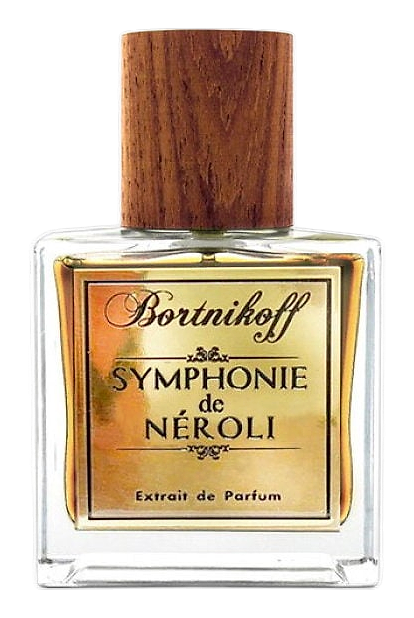
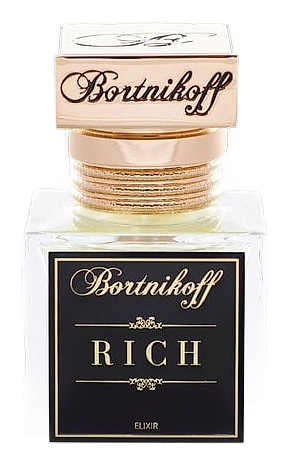
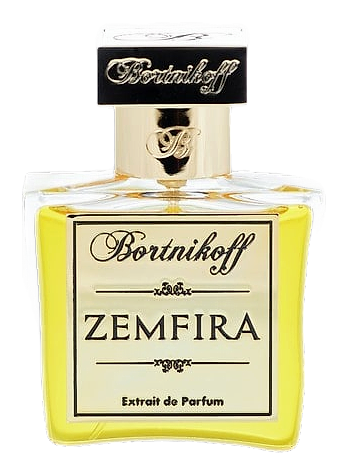
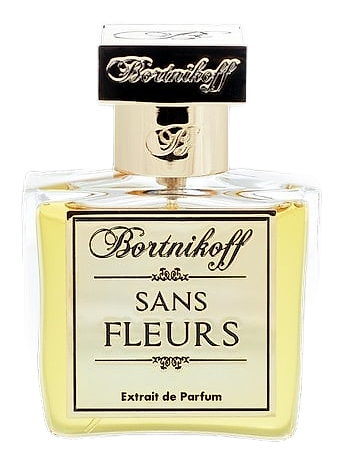
    Brand Profile

    Bortnikoff is a niche perfume house that emerged in 2018 from Bangkok, Thailand. Founded by Russian perfumer Dmitry Bortnikov, the brand qui…More

    Thailand·Est. 2018·Site

    5

    Fragrances

    4.3

    Rating

    50
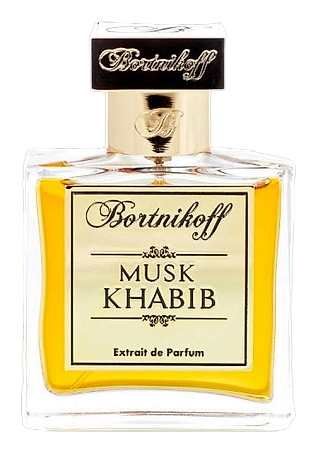
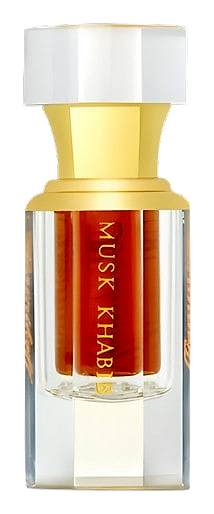
    Musk Khabib by Bortnikoff – Extrait
    4.6

    Musk Khabib

    Extrait

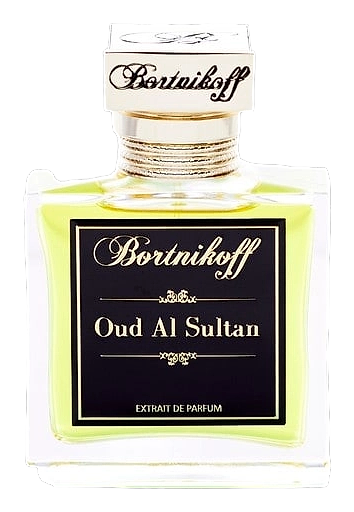
    Oud Al Sultan by Bortnikoff
    4.3

    Oud Al Sultan

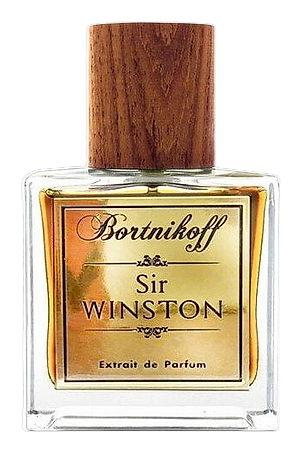
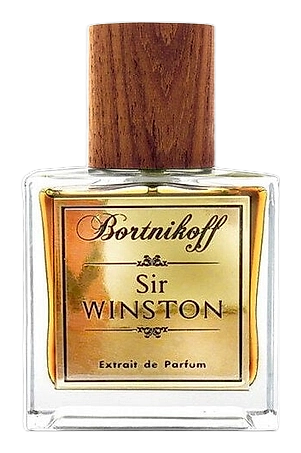
    Sir Winston by Bortnikoff – Extrait
    4.1

    Sir Winston

    Extrait

    Sir Winston Attar by Bortnikoff – Extrait
    4.0

    Sir Winston Attar

    Extrait

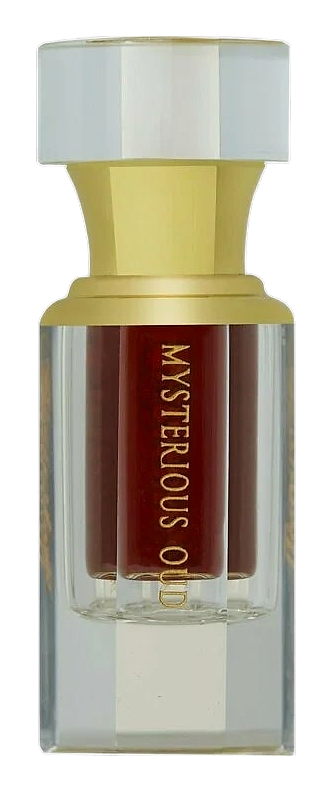
    Mysterious Oud Attar by Bortnikoff
    Best Seller
    5.0

    Mysterious Oud Attar

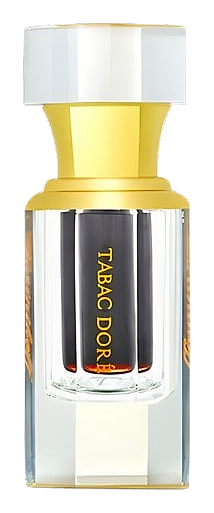
    Tabac Dore Attar by Bortnikoff
    Best Seller
    4.9

    Tabac Dore Attar

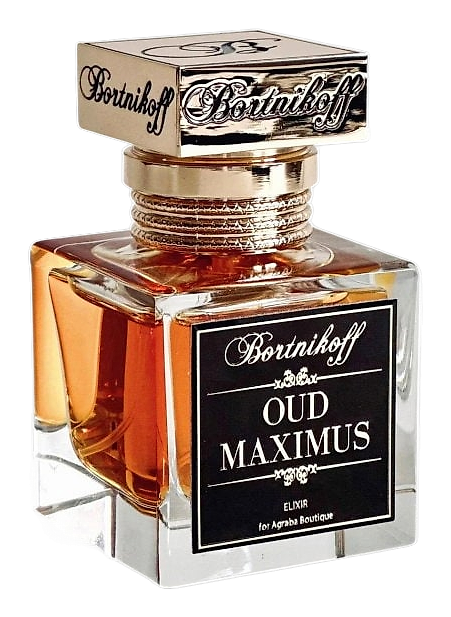
    Oud Maximus Elixir by Bortnikoff
    NewBest Seller
    4.8

    Oud Maximus Elixir

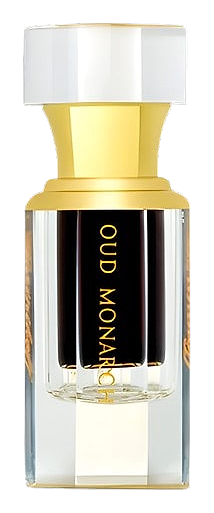
    Oud Monarch Attar by Bortnikoff
    4.7

    Oud Monarch Attar

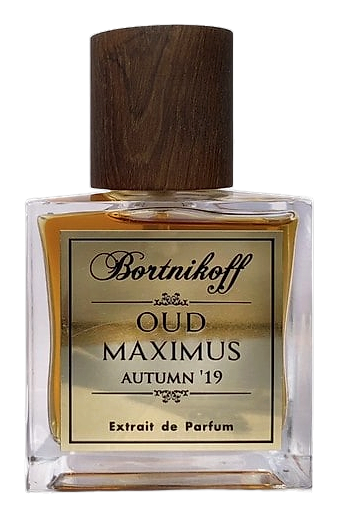
    Oud Maximus Autumn 2019 by Bortnikoff
    4.7

    Oud Maximus Autumn 2019

    Sayat Nova Attar by Bortnikoff
    4.6

    Sayat Nova Attar

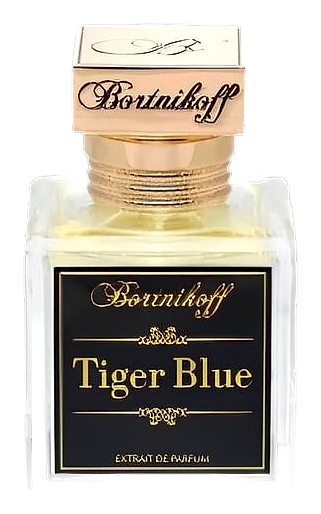
    Tiger Blue by Bortnikoff
    New
    4.6

    Tiger Blue

    Oud Maximus by Bortnikoff
    4.5

    Oud Maximus

    1 of 5

    The Heritage

    The Story of Bortnikoff

    Bortnikoff is a niche perfume house that emerged in 2018 from Bangkok, Thailand. Founded by Russian perfumer Dmitry Bortnikov, the brand quickly attracted attention for its focus on rare natural ingredients and richly layered compositions. Its catalogue includes several oud‑centric attars such as Mysterious Oud (2020) and Tabac Dore (2021), as well as newer releases like Tiger Blue (2025). Bortnikoff positions itself between the traditional niche market and the emerging indie scene, offering scents that invite close inspection rather than loud proclamation. The house maintains a modest online presence, selling directly through its website and select specialty retailers worldwide.

    Heritage

    The story of Bortnikoff begins with Dmitry Bortnikov, a Russian expatriate who spent years collaborating with fellow perfumer Russiam Adam on projects for Feel‑Oud and Areej Le Doré. After those partnerships dissolved, Dmitry relocated to Thailand in early 2018, attracted by the country’s access to high‑quality natural absolutes and a growing community of independent fragrance creators. In June 2018 he registered the Bortnikoff brand and launched a small batch of attars that emphasized raw, unprocessed oud oil sourced from the forests of Laos. The first public release, Oud Maximus (2018), arrived later that year and was noted for its unapologetic depth and longevity. By 2019 the house introduced Musk Khabib and Oud Maximus Autumn, expanding its palette beyond oud to include animalic and woody notes. 2020 proved pivotal: three major attars—Mysterious Oud, Oud Monarch, and Sayat Nova—were released, each accompanied by limited‑edition packaging that highlighted the brand’s emerging visual language. In 2021 the Tabac Dore attar arrived, marking Bortnikoff’s first foray into tobacco‑infused compositions and signaling a willingness to blend traditional Middle Eastern ingredients with Western sensibilities. The following years saw a steady cadence of releases, including the 2025 Tiger Blue, a bright, aromatic scent that diverged from the house’s usual dark profile, and the 2025 Oud Maximus Elixir, a high‑concentration version of the original 2018 formula. Throughout its first decade Bortnikoff has remained privately owned, with production largely handled in a small workshop in Bangkok. The brand’s growth has been organic, driven by word‑of‑mouth among fragrance enthusiasts and modest coverage in niche perfume blogs. While it has not pursued mainstream retail channels, Bortnikoff’s presence on platforms such as Olfactory Factory and its active Instagram account have helped it reach collectors in Europe, the Middle East, and North America. The house continues to experiment with rare naturals, maintaining a reputation for depth rather than flash, and its future releases are anticipated by a community that values authenticity over hype.

    Craftsmanship

    Production at Bortnikoff takes place in a compact workshop on the outskirts of Bangkok, where a small team of trained artisans handles each step of the process. Raw materials arrive in sealed containers, often directly from cooperatives in Laos, Myanmar, or India. Oud wood is harvested during the dry season, then air‑dried for several months before being cold‑pressed to extract the oil. This method preserves the wood’s complex resinous notes and minimizes oxidation. For attars, the brand employs a traditional hydro‑distillation technique that captures the volatile compounds without the use of solvents. Each batch is weighed and recorded, ensuring that the concentration of essential oil matches the intended strength—typically ranging from 10 % for lighter colognes to 30 % for full‑strength attars. Quality checks occur at three points: raw material inspection, post‑distillation analysis, and final product testing. The team uses gas chromatography to verify the presence of key aromatic constituents, a practice more common in larger houses but rare among indie brands. Bottling is performed by hand; glass vessels are selected for their clarity and weight, then sealed with a cork or screw cap that matches the scent’s character. Labels are printed on recycled paper, and each bottle receives a hand‑applied batch number, reinforcing the limited‑edition nature of the releases. Packaging materials are sourced from local manufacturers who adhere to environmentally friendly standards, reducing the brand’s carbon footprint. In addition to the physical production, Bortnikoff maintains a small laboratory where Dmitry himself experiments with new accords, often blending a single natural extract with a complementary synthetic to achieve a desired nuance while still honoring the natural core. This balance of tradition and modest innovation allows the house to produce fragrances that are both timeless and subtly contemporary.

    Design Language

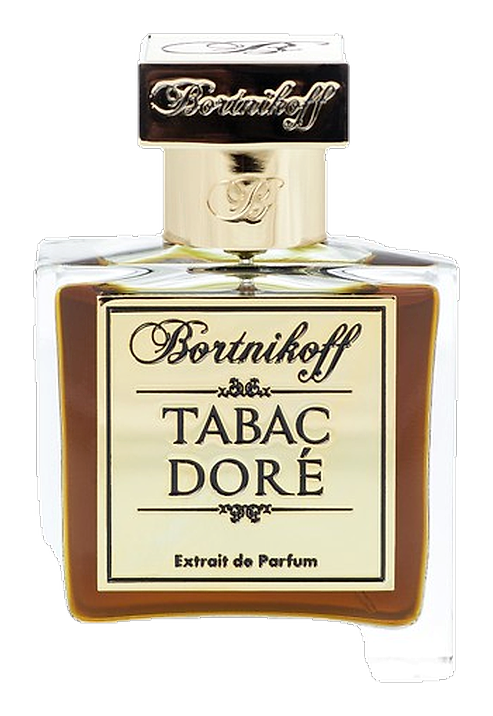
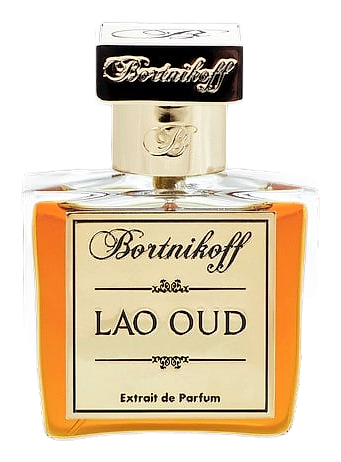
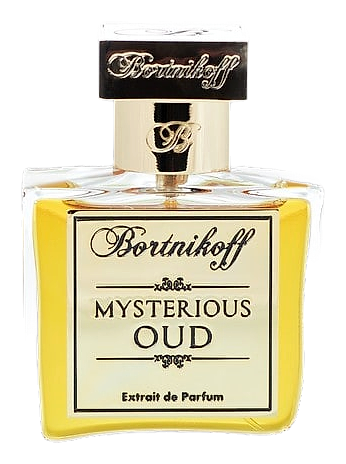
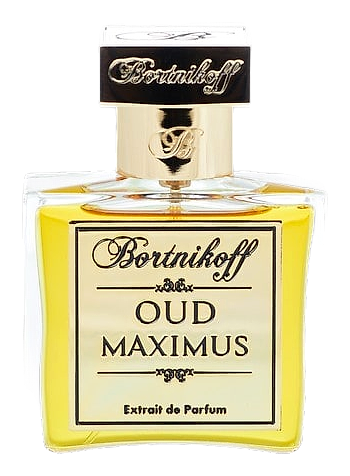
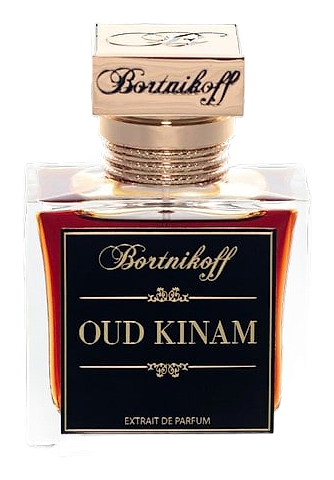
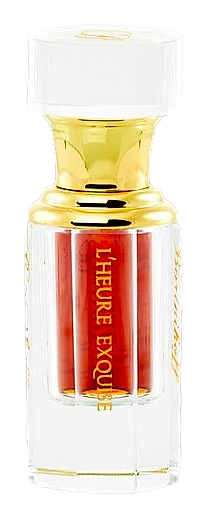
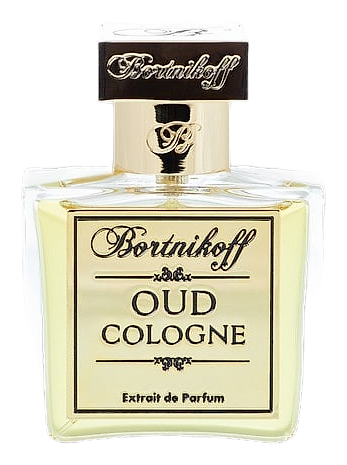
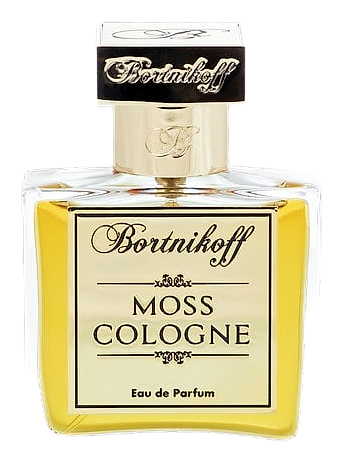
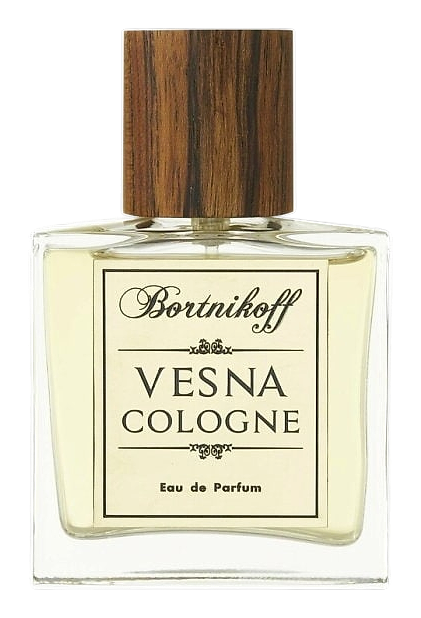
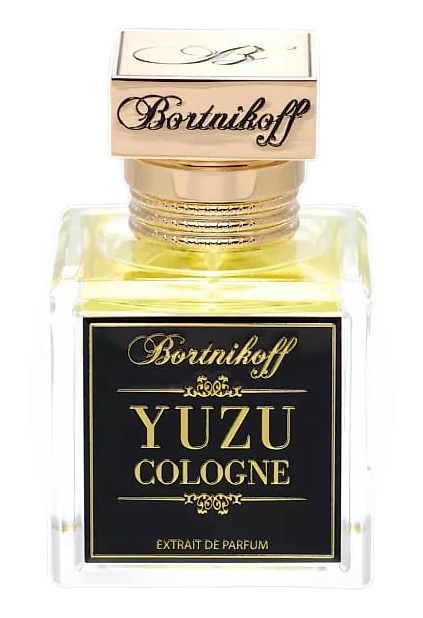
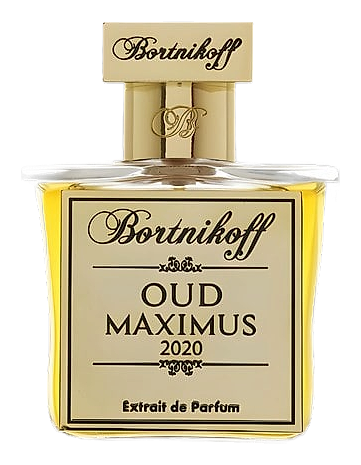
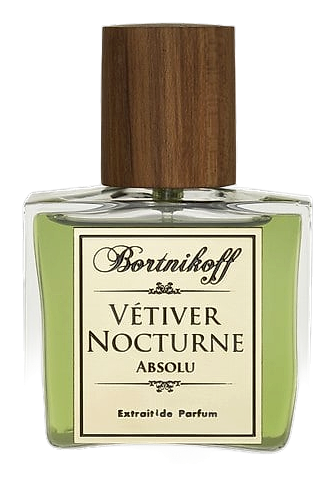
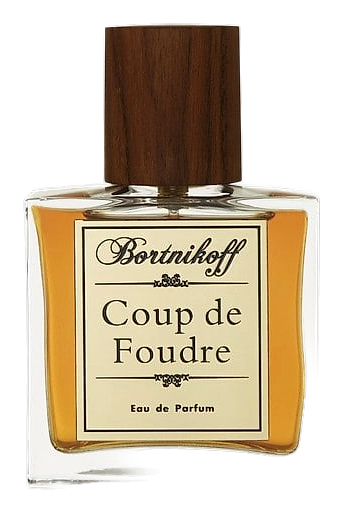
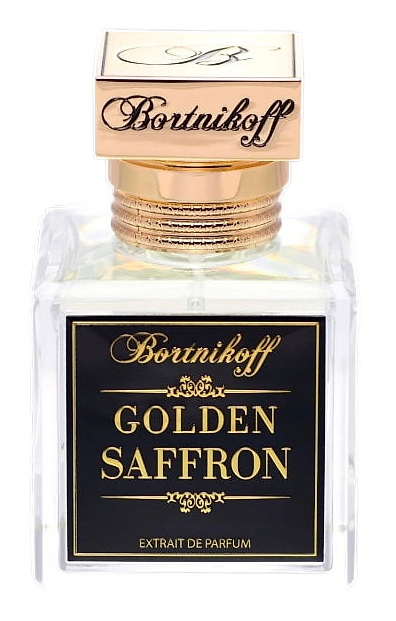
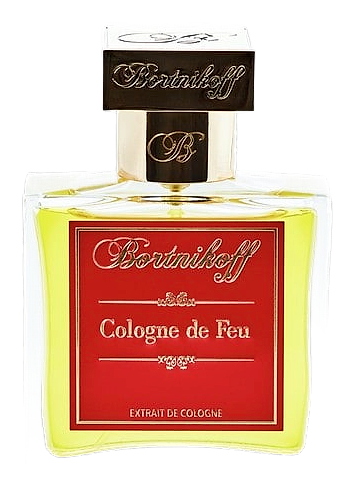
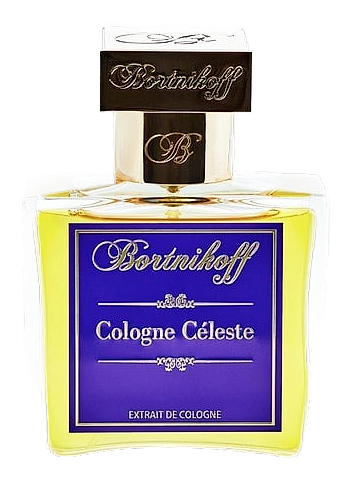
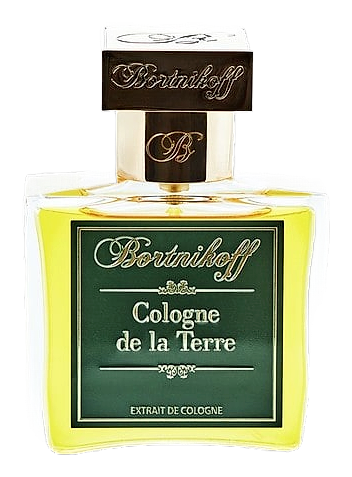
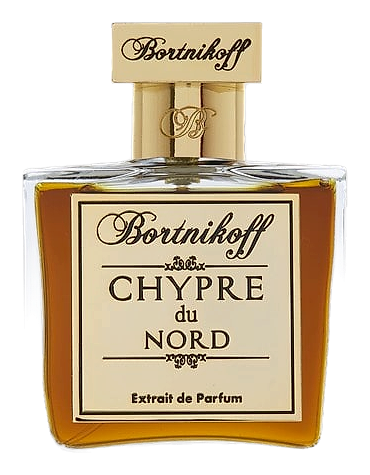
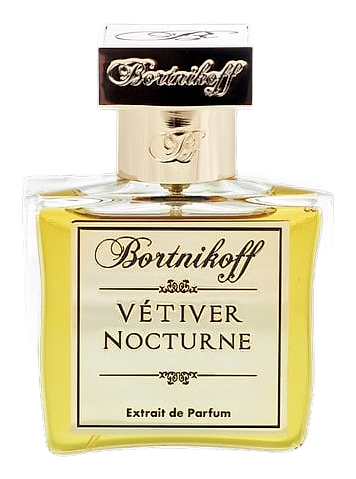
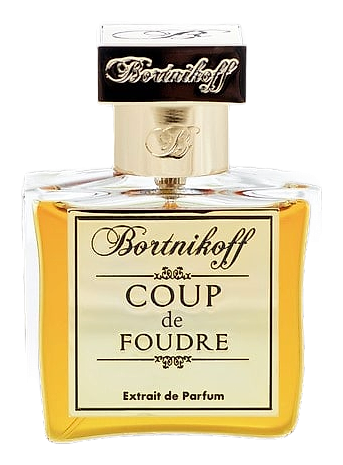
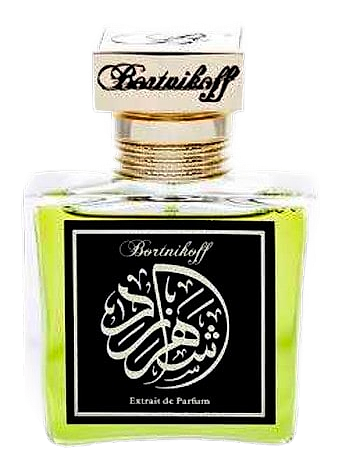
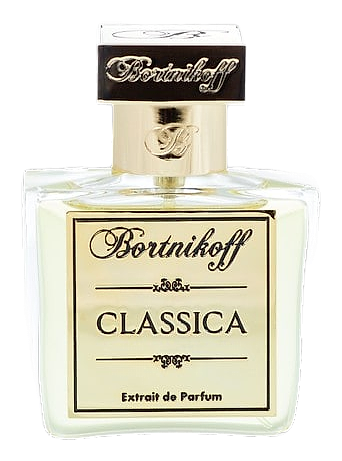
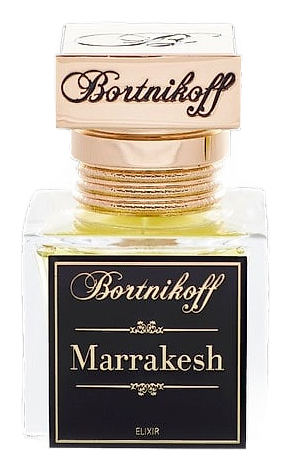
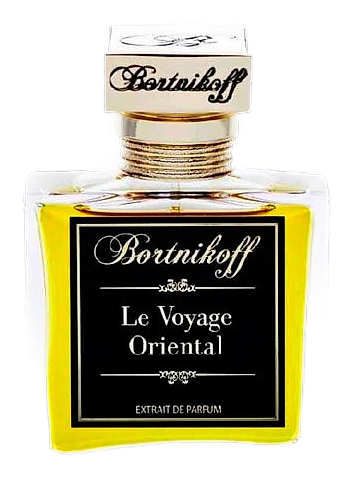
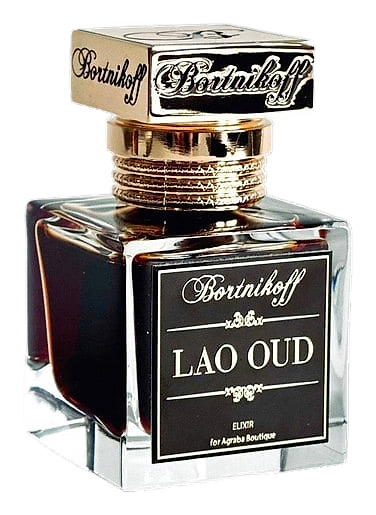
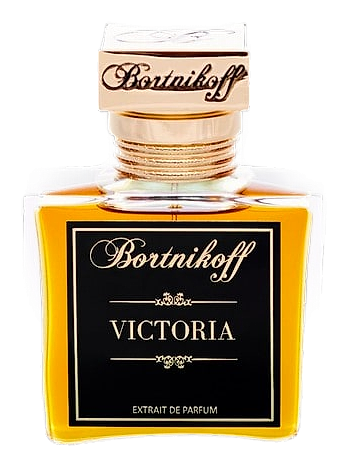
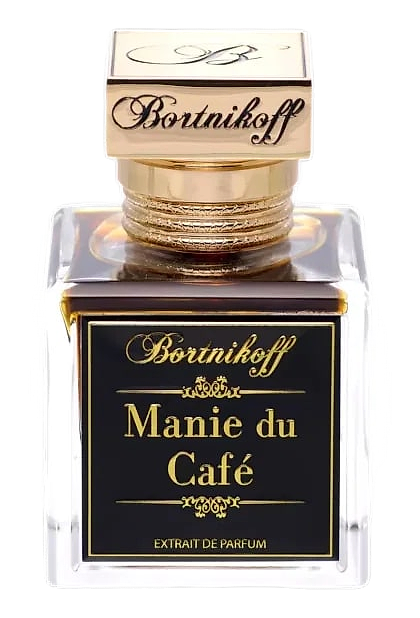
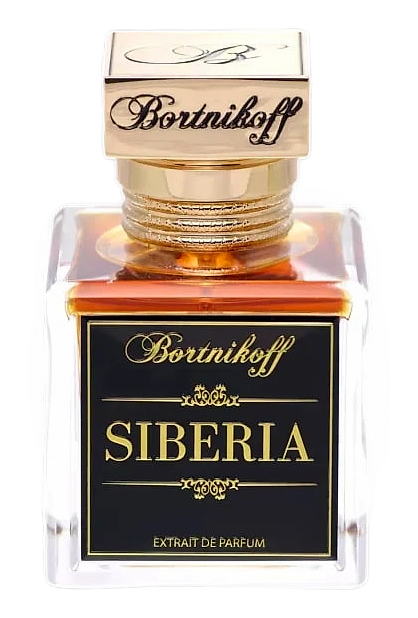
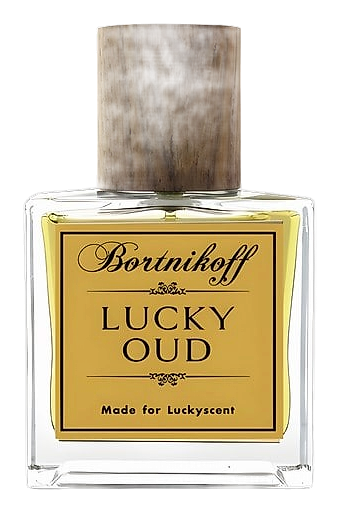
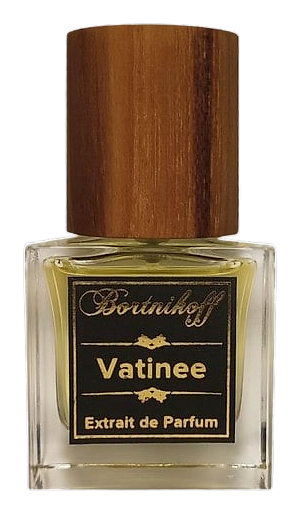
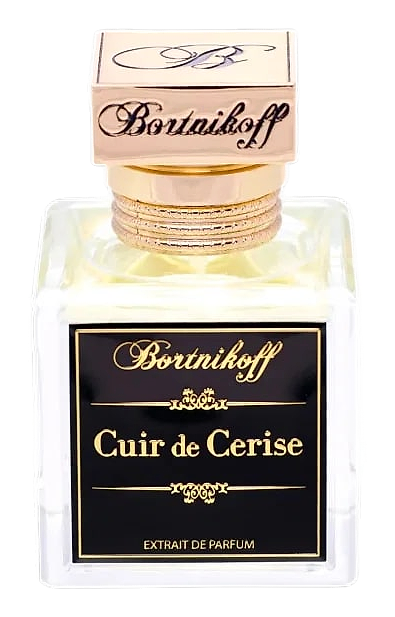
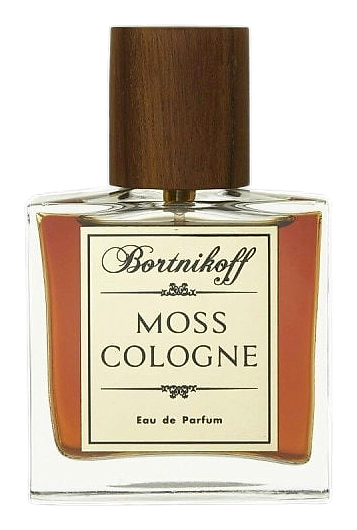
    Visually, Bortnikoff embraces a restrained elegance that mirrors its olfactory philosophy. Bottles are typically crafted from thick, clear glass that showcases the deep amber or dark mahogany hue of the perfume inside. The brand favors simple, geometric shapes—cylindrical or slightly tapered forms—that sit comfortably in the hand without excessive ornamentation. Caps are often matte black or brushed metal, providing a tactile contrast to the smooth glass. Labels are minimal, featuring the brand name in a clean sans‑serif typeface, the fragrance title in a slightly larger weight, and a discreet line indicating the concentration. The use of recycled paper for the label background adds a subtle texture, reinforcing the house’s commitment to sustainability. On the website and social media, imagery focuses on natural elements: close‑up shots of oud chips, sandalwood bark, or a single droplet of oil suspended in light. Color palettes lean toward earth tones—deep browns, muted greens, and occasional gold accents—that evoke the raw materials themselves. Promotional photography rarely includes models; instead, the brand prefers still‑life compositions that let the scent’s story unfold through visual metaphor. This aesthetic consistency extends to the brand’s retail displays, where wooden trays and soft lighting highlight the bottles without competing for attention. The overall visual language conveys a sense of quiet confidence, inviting collectors to explore the fragrance as a work of art rather than a fashion accessory.

    Philosophy

    Bortnikoff’s creative outlook rests on a belief that perfume should be an intimate experience, one that rewards patience and close attention. Dmitry Bortnikov has spoken about his respect for the raw character of natural ingredients, preferring to let the scent of a single oud chip or a wild musk note speak for itself before layering additional elements. The brand therefore avoids synthetic shortcuts, opting instead for ingredients that retain their original aroma profile even after extraction. This approach aligns with a broader ethos of sustainability: sourcing is limited to suppliers who can demonstrate traceable harvests and responsible forest management, particularly for oud and sandalwood. Bortnikoff also values transparency; each release is accompanied by a brief note describing the origin of its key materials and the intended olfactory journey. The house does not chase trends; instead it follows a seasonal rhythm that mirrors the natural cycles of the ingredients it cherishes. For example, the autumn‑themed Oud Maximus Autumn was timed to coincide with the harvest period of a specific oud variety, allowing the perfume to capture the wood’s peak aromatic expression. In practice, the brand’s philosophy translates into a modest production scale, which enables careful quality control and the ability to adjust formulas based on feedback from a close‑knit community of fragrance lovers. By prioritizing depth, authenticity, and responsible sourcing, Bortnikoff aims to create scents that feel like a personal archive rather than a commercial product.

    Key Milestones

    2018

    Bortnikoff founded in Bangkok by Dmitry Bortnikov; first release Oud Maximus attar

    2019

    Launch of Musk Khabib and Oud Maximus Autumn, expanding the line beyond pure oud

    2020

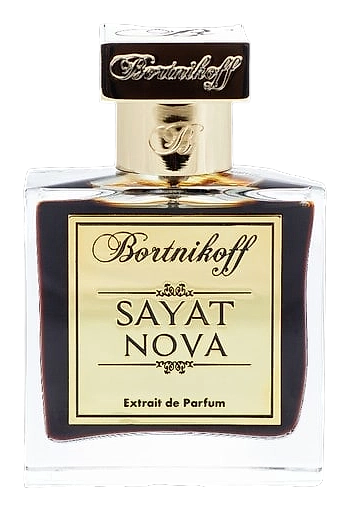
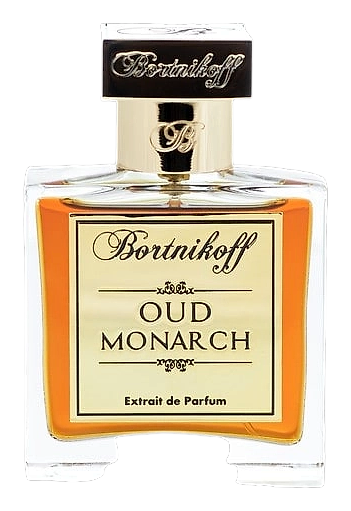
    Release of three major attars—Mysterious Oud, Oud Monarch, and Sayat Nova—accompanied by limited‑edition packaging

    2021

    Introduction of Tabac Dore attar, marking the brand’s first tobacco‑infused composition

    2025

    Launch of Tiger Blue, a bright aromatic scent, and Oud Maximus Elixir, a high‑concentration reinterpretation of the 2018 classic

    At a Glance

    Brand profile snapshot

    Origin

    Thailand

    Founded

    2018

    Heritage

    8

    Years active

    Collection

    5

    Fragrances released

    Avg Rating

    4.3

    Community sentiment

    Release Rhythm

    2025
    6
    2024
    2
    2023
    6
    2021
    4
    2020
    15
    2019
    9
    2018
    6
    bortnikoff.com

    Did You Know?

    Interesting Facts

    Distinctive details and defining moments that shape the house personality.

    01

    Bortnikoff sources its oud oil from a single cooperative in Laos that practices selective tree harvesting to preserve forest health.

    02

    The brand’s Tiger Blue scent was inspired by a sunrise over the Chao Phraya River, a rare departure from its usual dark, resinous themes.

    03

    Each bottle receives a hand‑written batch number, allowing collectors to trace the exact production run of their perfume.

    04

    Dmitry Bortnikov maintains a personal journal of ingredient experiments, some of which have been referenced in niche perfume forums for their innovative use of rare botanicals.