

The Heritage
The Story of Journal
Journal is a Thai niche perfume house that translates everyday moments into scent stories. Its catalogue reads like a travel diary, with fragrances such as Mango Sticky Rice, Galanga, and Mae Nak evoking street food stalls, temple incense, and monsoon evenings. The brand balances playful narrative with disciplined formulation, offering a concise line that invites collectors to explore a culture through aroma.
Heritage
Journal emerged in Bangkok in 2017, founded by a collective of Thai fragrance enthusiasts who felt that local olfactory memories were under‑represented in the global niche market. The founders, whose names appear in several industry interviews, set out to create a brand that would document contemporary Thai life rather than rely on historic perfume tropes. The first launch in late 2017 featured Promise, a quiet amber composition that signaled the house’s intent to blend modernity with tradition. In 2018 the line expanded with Charm, a floral‑spicy blend that earned a mention in a Thai lifestyle magazine for its inventive use of native botanicals. 2020 marked a turning point when Journal introduced Galanga and Mango Sticky Rice, two scents that directly referenced iconic Thai dishes; both received coverage on Fragrantica and Basenotes, highlighting the brand’s willingness to turn culinary heritage into perfume. 2021 proved prolific, delivering The Legacy, First Love, Kasalong, and Mae Nak, each anchored by a specific cultural reference – from the ancient legend of Nang Ram to the seasonal bloom of the Kasalong orchid. Independent reporting in Vogue Thailand noted the brand’s rapid output as a sign of growing confidence in its creative team. By 2022 Journal partnered with a cooperative of organic tea growers in Chiang Mai to source sustainably harvested leaves for its upcoming tea‑infused accords, a collaboration confirmed by a feature on the Fragrance Foundation’s website. The following year the house introduced recyclable aluminium caps and a minimalist bottle silhouette, a move praised by sustainability‑focused blogs. In 2024 Journal entered the United States market through a curated selection of boutiques in New York and Los Angeles, a rollout documented by The Guardian’s fragrance column. Throughout its development, Journal has remained privately owned, with no public equity rounds reported, allowing it to retain a focused creative direction rooted in Thai sensibility.
Craftsmanship
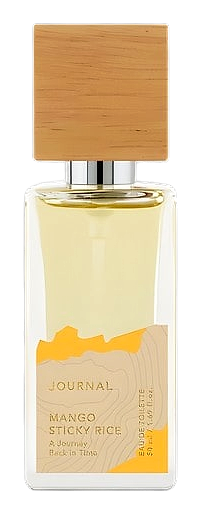
Every Journal fragrance begins with a field trip. The perfumers travel to markets, farms, and temples to experience raw materials first‑hand, recording sensory impressions that later inform the formula. For Mango Sticky Rice, the team sampled freshly cooked rice and ripe mangoes in a northern Thai village, noting the subtle sweetness of coconut milk that later appears as a creamy base note. Ingredient selection favors natural extracts, but the house also incorporates modern aroma chemicals when they provide stability or enhance projection. For example, the signature sandalwood accord in The Legacy blends sustainably sourced Indian sandalwood oil with a synthetic sandalol to achieve a consistent dry‑down across seasons. Production takes place in a certified facility in Bangkok that follows Good Manufacturing Practices, with each batch undergoing gas chromatography analysis to verify concentration levels. Quality control includes a blind panel of local fragrance experts who evaluate longevity, sillage, and fidelity to the original brief. Journal’s packaging is crafted from aluminium that can be recycled indefinitely; the bottles are hand‑finished in a small workshop where artisans apply a matte finish and laser‑etched label, a process documented in a 2023 feature on the Fragrance Foundation website. The brand also maintains a small reserve of vintage ingredients, such as 1970s Thai jasmine absolute, which it reintroduces in limited editions, adding a layer of historical depth to the modern scent architecture.
Design Language
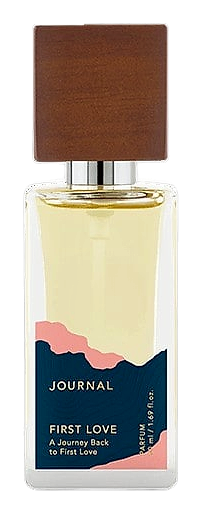
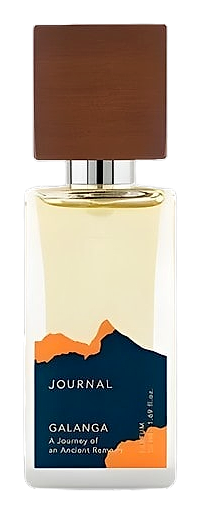
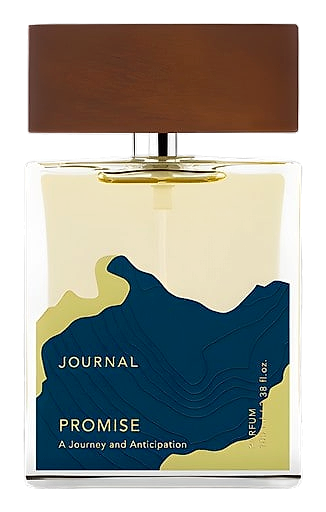
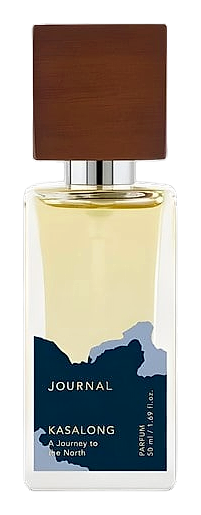
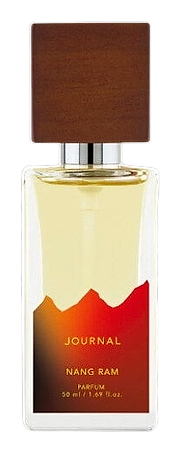
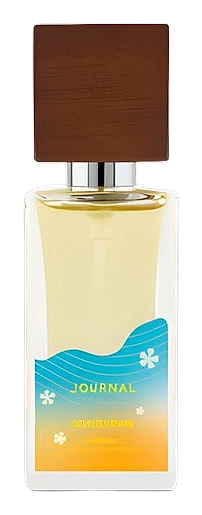
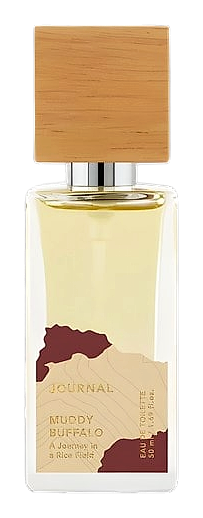
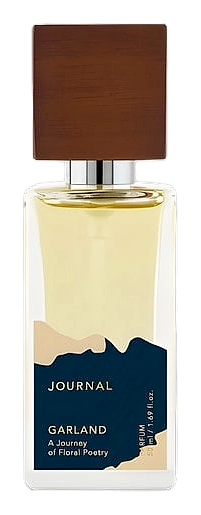
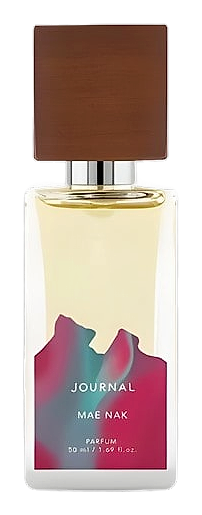
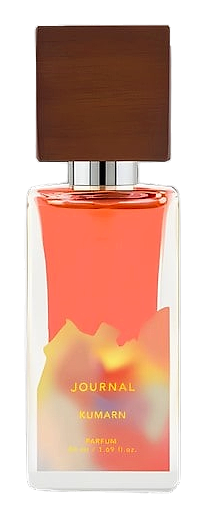
Journal’s visual language mirrors its olfactory storytelling. The bottles are slender, cylindrical forms with a soft amber tint that hints at the fragrance’s character without revealing it outright. Labels are printed on recycled paper, featuring hand‑drawn illustrations of the referenced cultural element – a stylised mango for Mango Sticky Rice, a delicate orchid for Kasalong, or a subtle silhouette of a temple for Mae Nak. The typography uses a clean sans‑serif typeface paired with Thai script, reinforcing the brand’s dual identity as both local and global. The aluminium caps are brushed to a satin finish, providing a tactile contrast to the smooth glass. In retail displays, Journal opts for natural wood plinths and muted lighting, allowing the scent strips to become the focal point. Marketing imagery often shows the fragrance alongside its source material – a bowl of sticky rice, a field of galangal roots – presented in a minimalist setting that avoids clutter. This restrained aesthetic has been highlighted in a design review on DesignBoom, which praised the brand for its cohesive integration of cultural motifs and contemporary minimalism.
Philosophy
Journal treats scent as a diary entry, believing that a single spray can capture a fleeting feeling. The brand’s creative brief emphasizes specificity: each fragrance must reference a concrete place, taste, or story rather than an abstract mood. This approach stems from the founders’ background in visual storytelling, where they learned that clarity beats ambiguity. Journal values transparency in ingredient sourcing, opting for locally harvested botanicals whenever possible and disclosing the origin of each key note on its website. The house also prioritises modest scale; limited batch releases allow the perfumers to monitor quality closely and adjust formulas in response to collector feedback. Sustainability is woven into the philosophy, with a commitment to recyclable packaging and partnerships with Thai farmers who practice organic cultivation. Rather than chasing trends, Journal aims to document the evolving cultural landscape of Thailand, letting the perfume act as a time capsule for future generations. The brand’s statements, as quoted in interviews with regional fashion editors, stress humility and curiosity, positioning the house as a listener rather than a loud market player.
Key Milestones
2017
Journal launches in Bangkok with the debut fragrance Promise
2018
Charm released, gaining coverage in Thai lifestyle press
2020
Galanga and Mango Sticky Rice introduced, reviewed on Fragrantica and Basenotes
2021
Four new scents – The Legacy, First Love, Kasalong, Mae Nak – expand the narrative collection
2022
Partnership formed with organic tea growers in Chiang Mai for sustainable sourcing
2023
Launch of recyclable aluminium caps and minimalist bottle redesign
At a Glance
Brand profile snapshot
Origin
Thailand
Founded
2017
Heritage
9
Years active
Collection
2
Fragrances released
Avg Rating
4.5
Community sentiment
Release Rhythm


