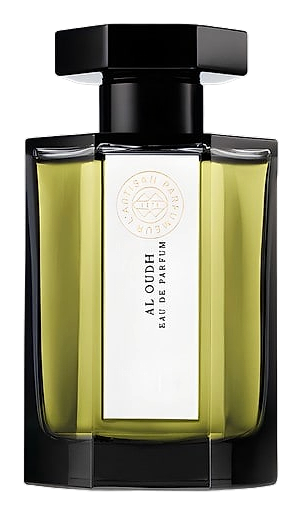
The Story
Why it exists.
The beginning
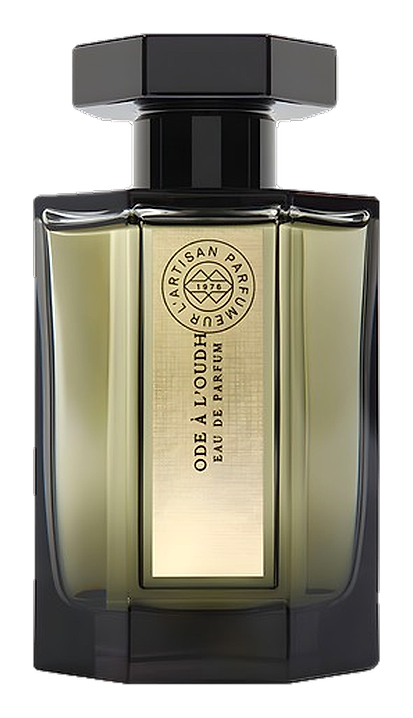
Bertrand Duchaufour has always built his fragrances around movement, distant places, the memory of a journey distilled into scent. Timbuktu, Dzongkha, Fleur de Liane: each one a dispatch from somewhere far. Al Oudh arrived in 2009 as his translation of the Arabic desert, not the tourist version but the real thing, the kind of heat that makes water shimmer on the horizon. He imagined caravans crossing sand with myrrh, gold, and incense, agarwood serving as the compass through an olfactory landscape no Western nose had fully mapped.
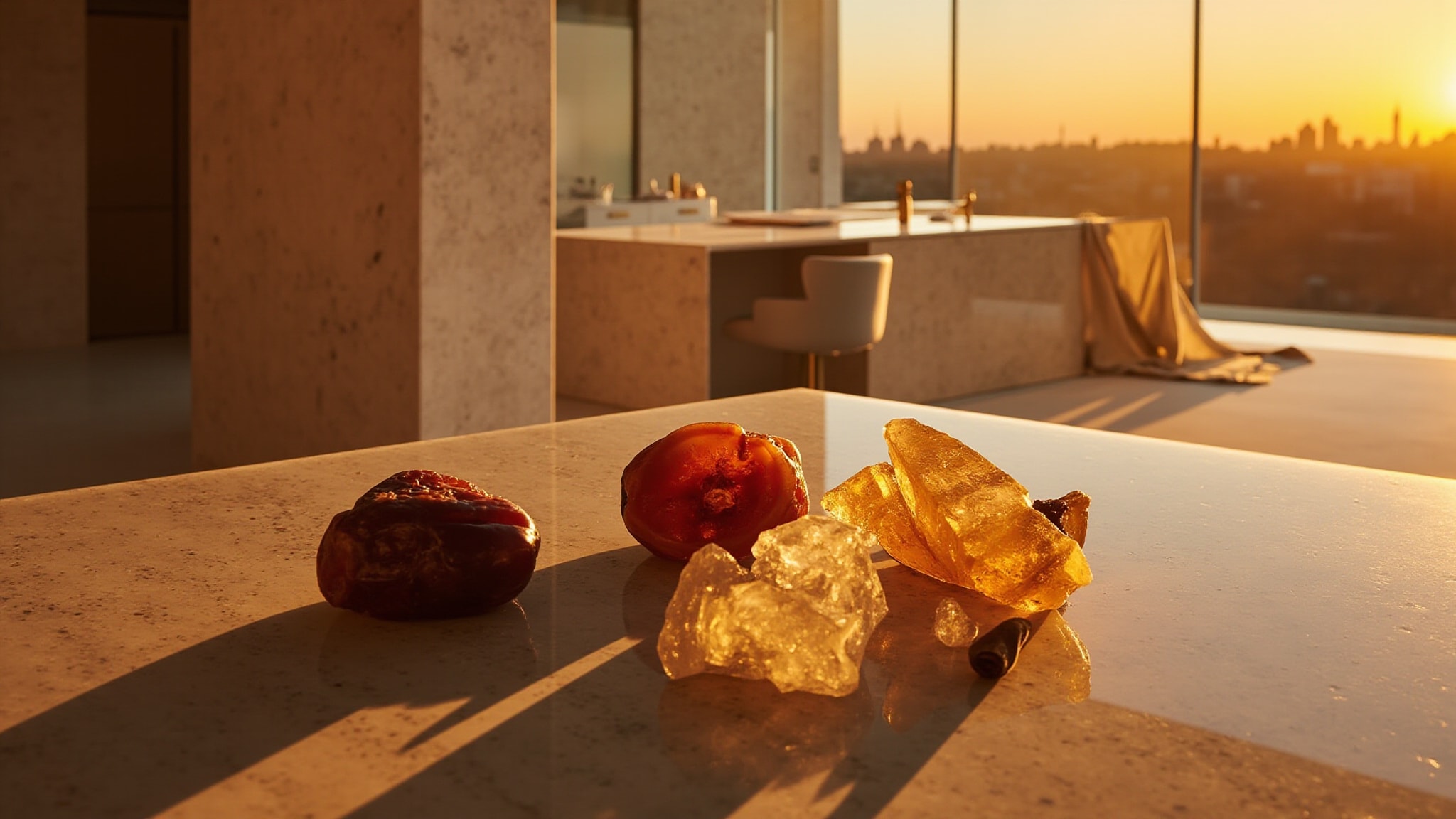
What makes Al Oudh work is the tension between sweetness and shadow. The dates and dried fruits give it an almost edible warmth at the opening, a nod to the trade goods these caravans carried, but the civet underneath keeps everything honest. This isn't a perfume about escape; it's about arrival. The saffron and leather anchor the heart, making it feel like something worn, like leather that's absorbed years of sun rather than sitting pristine on a shelf. Iris and neroli add a quiet floral thread, but it's never delicate. The whole composition moves toward resin and smoke, toward the myrrh that has perfumed sacred spaces for millennia.
The evolution
The first twenty minutes hit hard. Cumin, caraway, and cardamom blaze, pink pepper crackles at the edges, and if you're not ready for it, the intensity can feel like a wall. But the wall comes down. By hour two, the dates have swollen into something almost jammy, softening the spice without killing it. The oud takes over the middle act, not screechy oud, but the real thing: dark, resinous, with leather folding underneath like old seats in a travel-worn car. The rose is quiet here, almost shy, there to keep the oud from becoming clinical. Hours four through seven belong to the base. Civet breathes warmth into sandalwood. Myrrh and patchouli ground everything. Tonka bean and vanilla appear late, smoothing the final act into something that smells like skin warmed by the last light of the day. On fabric, it lasts into the next morning.
Cultural impact
Al Oudh arrived in 2009, introducing a bold vision of oud that prioritized raw authenticity over polish. Duchaufour went deeper, adding the civet, the leather, the smoke that makes this feel authentic rather than tourist-friendly. The fragrance stood apart for its willingness to embrace untamed character. Wearers who found it then tend to describe it with the language of discovery, like they stumbled onto something that later became a reference point.