The Story
Why it exists.
The beginning
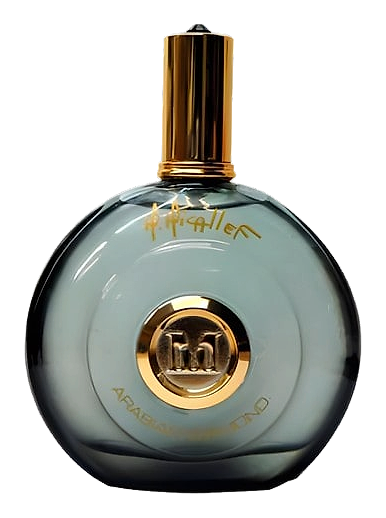
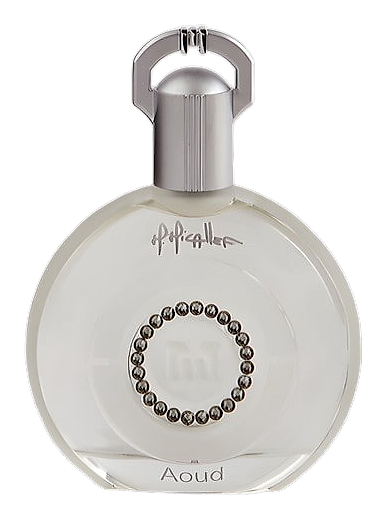
Aoud arrived in 2003 as one of the first expressions of Jean-Claude Astier's vision for M. Micallef, a French house known for visual theatre and handcrafted compositions, built in the historic perfume capital of Grasse. Astier chose to work with oud, one of the oldest and most contested materials in perfumery, and built the fragrance around its resinous depth. The brief was simple: take the richness of Arabian perfumery and filter it through a French sensibility, creating something that belonged to neither tradition entirely. The rose opening was deliberate, a counterweight to the darkness that follows, a breath of something delicate before the depth arrives. Honey and warm spices do the work of translation, bridging the gap between the opulent Middle Eastern palette and the structured refinement that Grasse demands. It was, in every sense, a crossover fragrance before that category had a name.
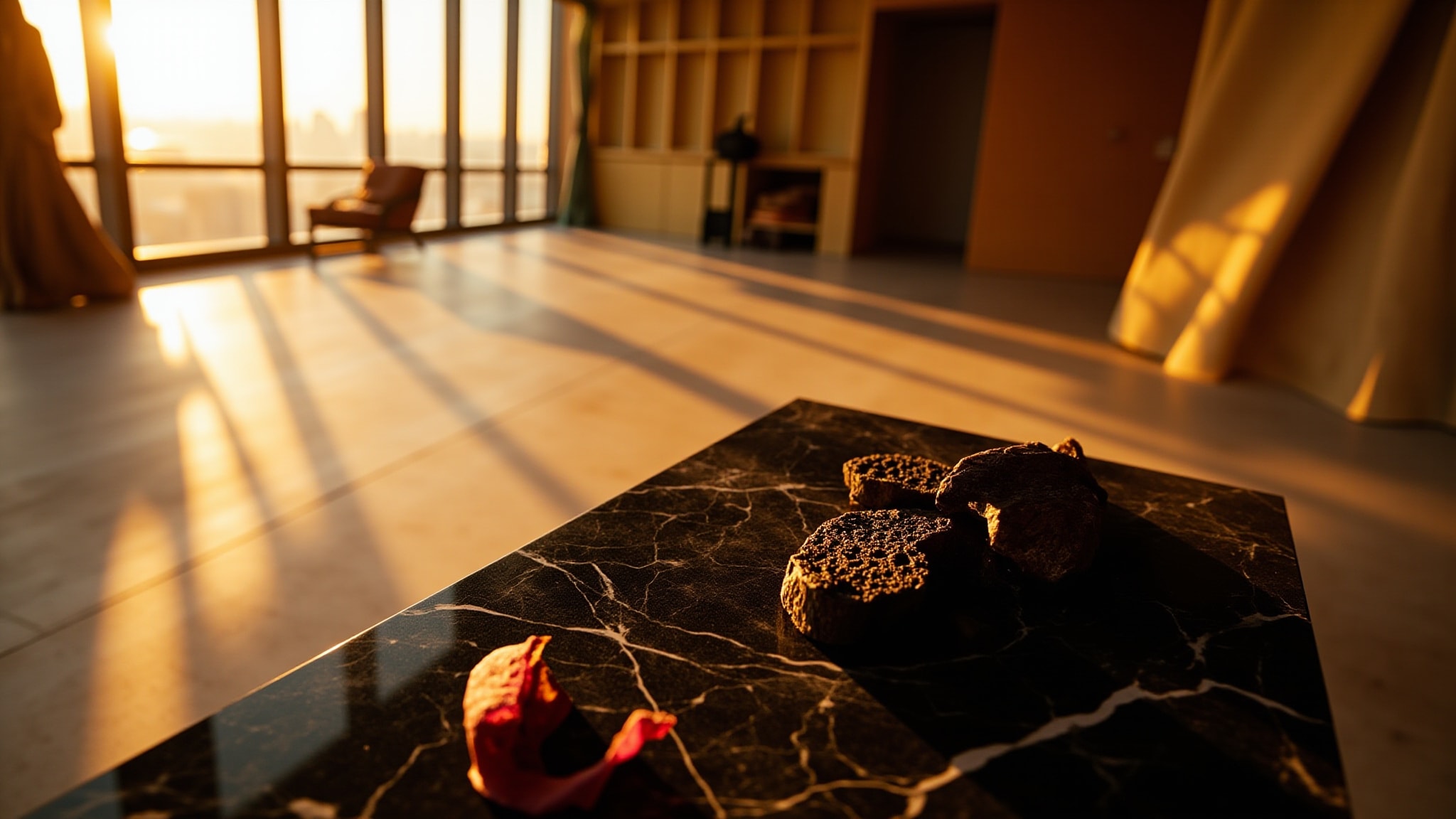
The tension at the heart of Aoud is structural: rose, one of the lightest and most ephemeral materials in perfumery, placed at the top of an oud-heavy pyramid. In lesser hands, this creates a jarring handoff, the rose disappears and the oud crashes in like a door. But Astier threads warm spices between the two, saffron, cinnamon, nutmeg, sandalwood, creating a middle register that makes the transition feel deliberate rather than accidental. The honey in the base does not sweeten the oud so much as warm it, making the resinous darkness feel inhabited rather than austere. Patchouli grounds everything with its earthy, slightly bitter finish.
The evolution
The first thirty minutes belong to the rose. It reads fresh and clean, slightly fruity, the kind of opening that makes you check the bottle twice because the name promises something heavier. Then the spices arrive. Saffron first, metallic and warm, followed by cinnamon and nutmeg spreading across the skin like heat without burn. The oud settles in around the forty-minute mark, resinous and dark, but softened by the honey that runs beneath everything. By the second hour, the fragrance has become intimate, sillage drops from moderate to close, present only when someone stands near enough to touch. The drydown is where Aoud earns its reputation. Patchouli and honey together create something warm, resinous, and slightly animalic, not dirty, but warm in the way skin is warm. On fabric, this stage can last two days. On skin, expect eight to ten hours of that quiet, close, resinous warmth that doesn't so much project as linger.
Cultural impact
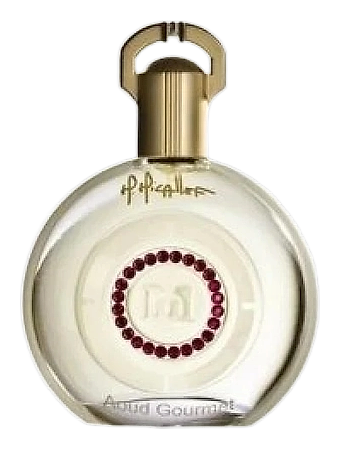
Aoud arrived in 2003 as one of the earlier Western expressions of Arabian oud perfumery, a period when European niche houses were beginning to engage seriously with Middle Eastern fragrance traditions. Its continued production, over two decades without reformulation, has made it a reference point for collectors seeking warmth, spice, and resinous depth in a composition that refuses to be crude. It sits comfortably alongside other house signatures like Osswald For Men and Aoud Gourmet, sharing the M. Micallef commitment to visual theatre and olfactory depth but carrying its own specific identity: a bridge between the delicacy of French floral composition and the unapologetic richness of oud-forward perfumery.