The Story
Why it exists.
The beginning
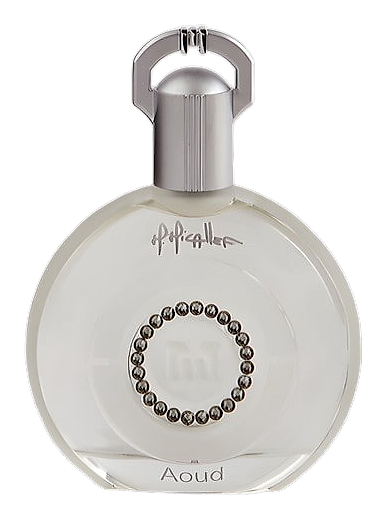
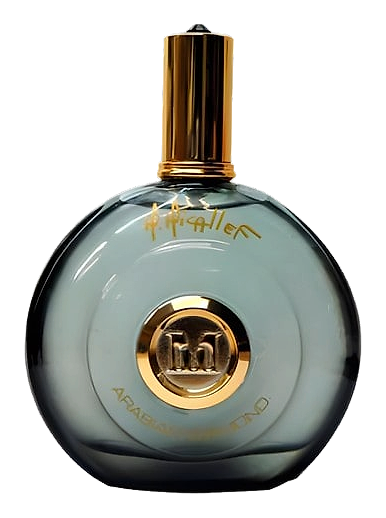
The name says everything and nothing. Arabian Diamond, a geographic anchor and a mineral promise. Created in 2009 by perfumers Jean-Claude Astier and Geoffrey Nejman, this fragrance lives in the tension between desert warmth and crystalline clarity. The brief seems to have been simple: what happens when the richness of Arabian perfumery meets the precision of a cut diamond?
The structure is unusual for a 2009 masculine release. Star anise as a top note, not commonly deployed as a lead, gives the opening an aromatic, almost medicinal coolness that contrasts sharply with the expected warmth of Oriental compositions. Below that, the heart layers five materials: geranium, lily of the valley, oud, rose, and ylang-ylang. The florals here create a lush, almost opulent middle register. The base then rebalances with cedar, sandalwood, amber, and musk, a woody Oriental foundation that holds the whole thing upright. The pyramid isn't trying to impress with volume.
The evolution
The opening hits with bergamot's tart brightness and star anise's clean bite, an aromatic sharpness that announces itself without apology. This phase is the fragrance's most polarizing moment. Those who expect softness find the aniseed bracing. Those who lean into it find it bracingly honest. Then the hand-off. Rose and ylang-ylang arrive like warmth breaking through a cold window. The oud doesn't dominate, it supports, adding resinous weight to the florals without overwhelming them. By hour two, the drydown owns the skin. Cedar and sandalwood settle close, amber and musk holding the whole thing in place. The sillage moderates as hours pass, present early, intimate late. What remains the next morning is a quiet wood-and-musk warmth that clings to fabric long after the shower.
Cultural impact
Arabian Diamond arrived in 2009. The star anise opening was a statement: this wouldn't be a predictable oud vehicle. Moderate sillage suited those drawn to the brand, wearers who appreciated complexity without broadcast. M. Micallef had built a following on visual drama and Arabian-inspired compositions, and this fragrance extended that legacy with an unusual structural approach to masculine perfumery.