The Story
Why it exists.
The beginning
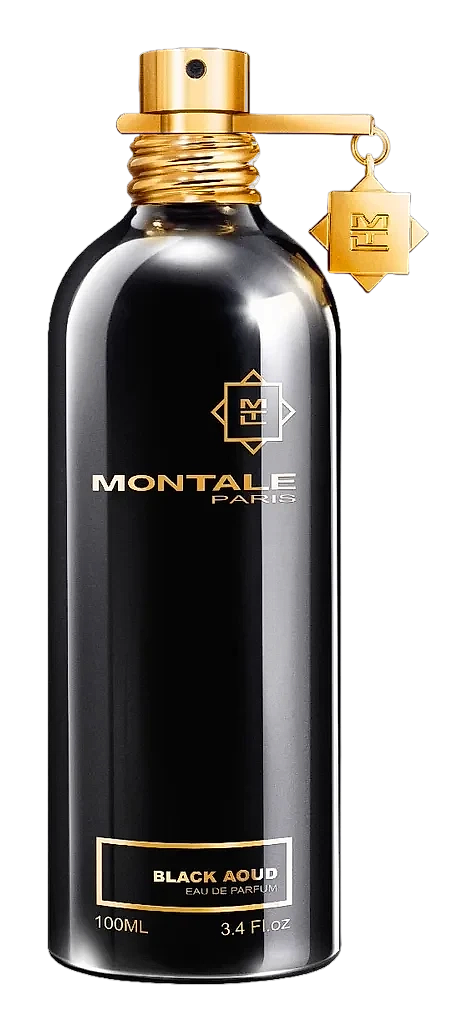
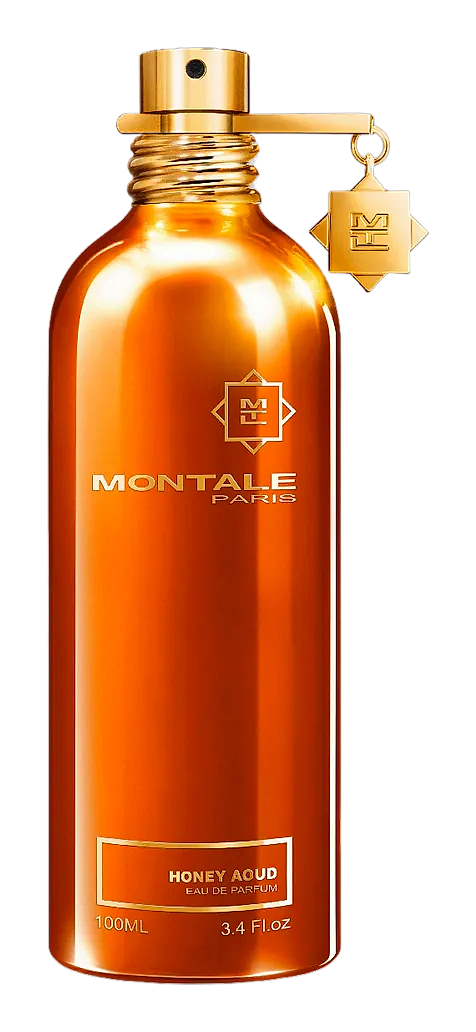
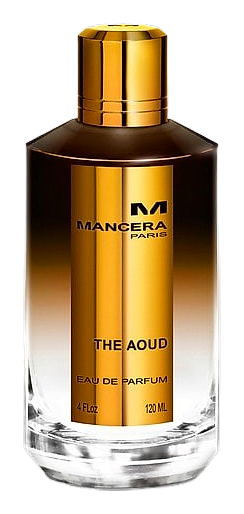
Pierre Montale spent years working with Middle Eastern ingredients, oud, saffron, precious resins. He used that expertise to build fragrances that marry depth with elegance. The Aoud takes Montale's oud mastery and gives it structure, balance, and a rose that makes the whole thing approachable without losing the power. The opening blends citrus brightness with warm spice, while the heart reveals a rose with presence, supported by saffron's richness and geranium's green edge. The drydown settles into a deep, resinous warmth that lingers.
What makes The Aoud distinctive is the way it handles oud, not as a showpiece, but as a foundation. The rose doesn't compete with the oud; it softens the edges just enough. The leather and sandalwood in the base create a warm, dry bed for the oud to rest on, while white musk keeps everything lifted. The cloves and cinnamon in the opening aren't decoration, they're the frame. They announce that this is a serious fragrance before the oud even arrives.
The evolution
The opening is the most deceptive part. Bergamot and white pepper arrive first, bright and almost citrusy, you'd never guess what's underneath. Then the cloves and cinnamon push through, warm and spiced, and suddenly the rose appears. Not a soft rose. A rose with edges. The geranium adds a green, slightly bitter lift that keeps the heart from getting heavy. As the hours pass, the oud emerges, not aggressive, but woven into leather and sandalwood, a deep resinous warmth that builds. The drydown brings oud, cedar, and white musk, closing and intimate, staying close to the skin. The fragrance has good sillage, projecting well in the first hours and then settling into a skin scent that lingers for many hours. On fabric, the scent clings and evolves, revealing new facets over time.
Cultural impact
The Aoud opens with a bright citrus and pepper start that gives way to a warm, spiced heart where rose takes center stage. The fragrance is known for its strong sillage and serious longevity, projecting well and lasting for hours on the skin. The blend of rose and spice creates a rich, approachable character that stands out in a crowd. It's the kind of scent that draws attention without being overwhelming.