Geranium Leaf
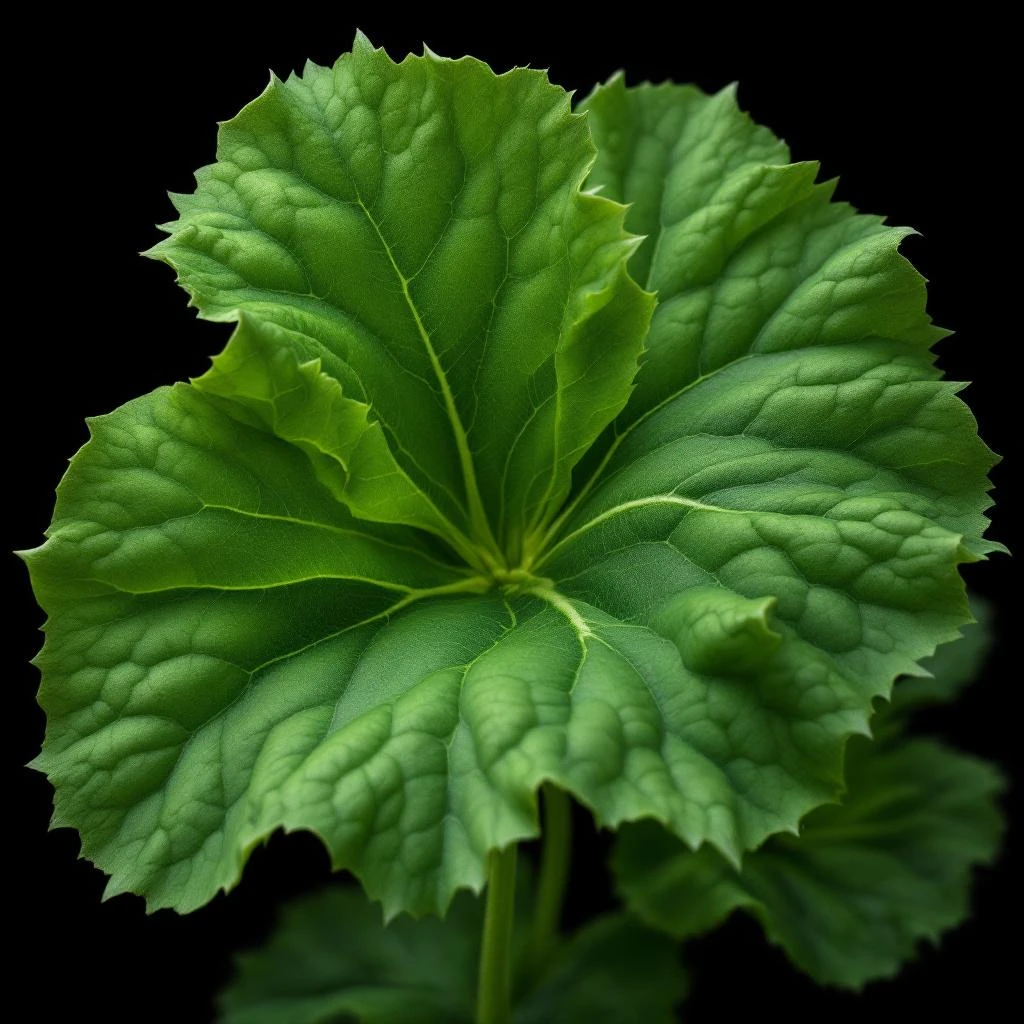
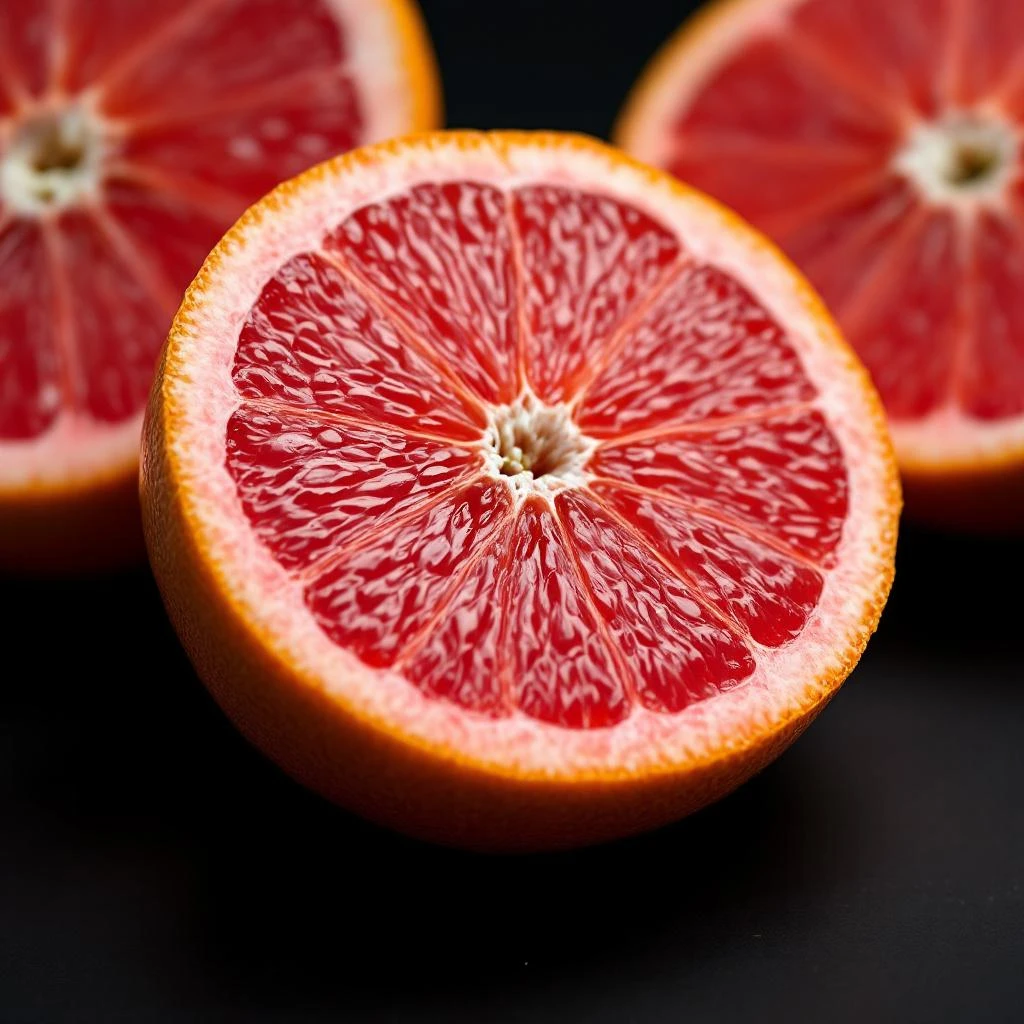
Geranium leaf delivers a complex green aroma with rosy and citrusy facets. Unlike its ornamental cousin, the Pelargonium graveolens used in perfumery offers a sophisticated scent that bridges floral softness and herbal freshness.
Character
How it smells
Green, rosy, and unexpectedly complex.
Geranium leaf owes its rose-like scent to geraniol and citronellol, compounds also found in actual roses but produced here by the plant itself.








Origin
Madagascar
Pelargoniums trace their origins to South Africa, where wild species grew across the Cape region. European botanists brought these plants home in the 17th century, initially valuing them as garden specimens. The shift toward commercial cultivation for perfumery began in the south of France during the 19th century, where the species earned the commercial name otto of rose-leaf geranium.
Today, Madagascar produces some of the most prized geranium leaf oil, thriving in the island's high-altitude regions. China, Egypt, and Morocco also contribute significant volumes to the global supply, each region producing oil with subtly distinct aromatic characteristics.
Wears it best
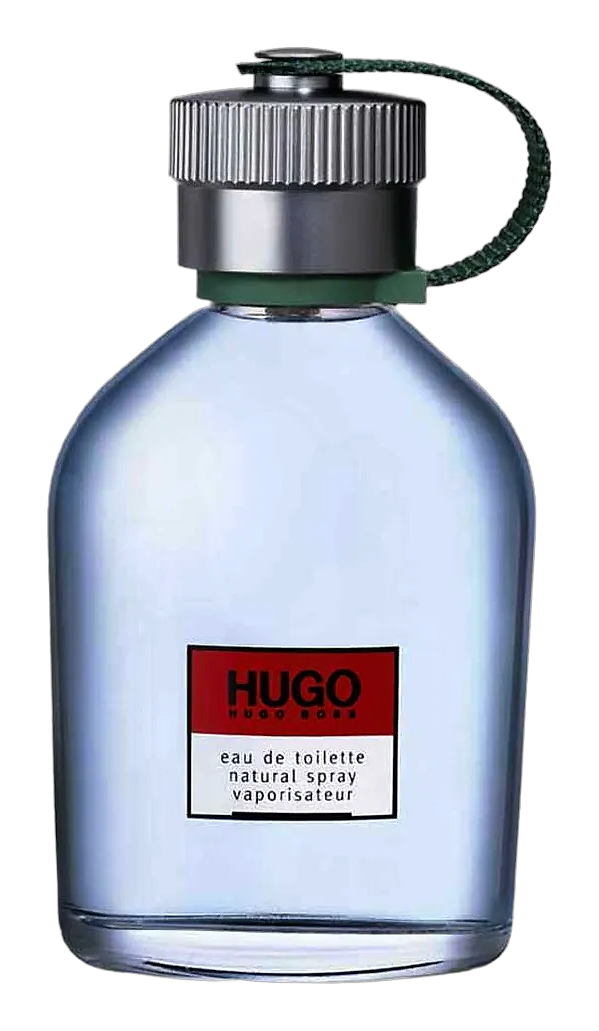
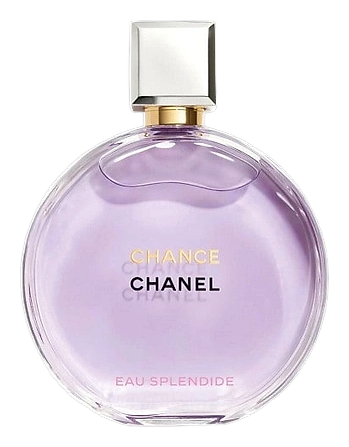
Fragrances featuring Geranium Leaf

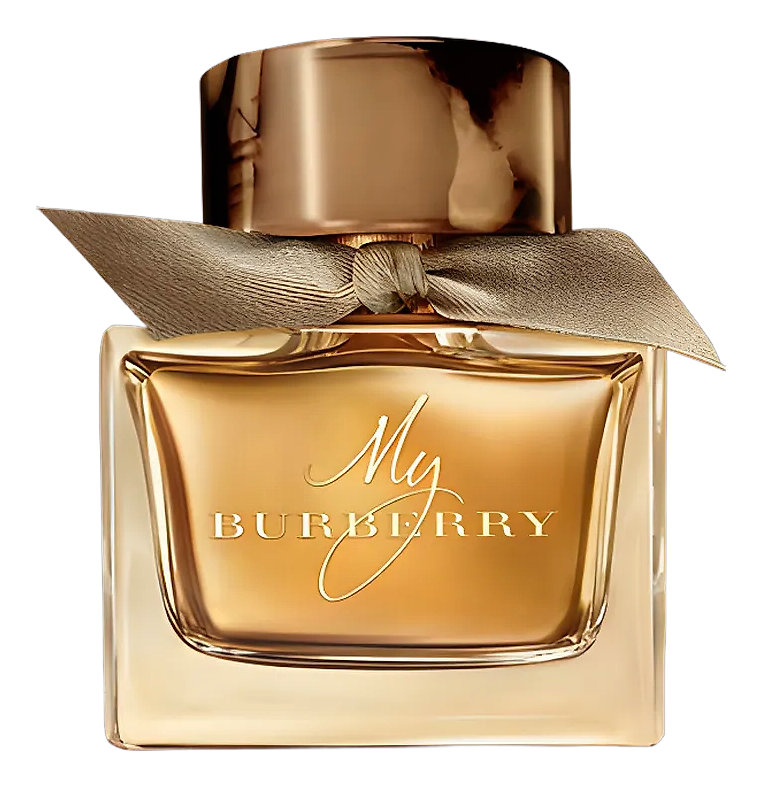
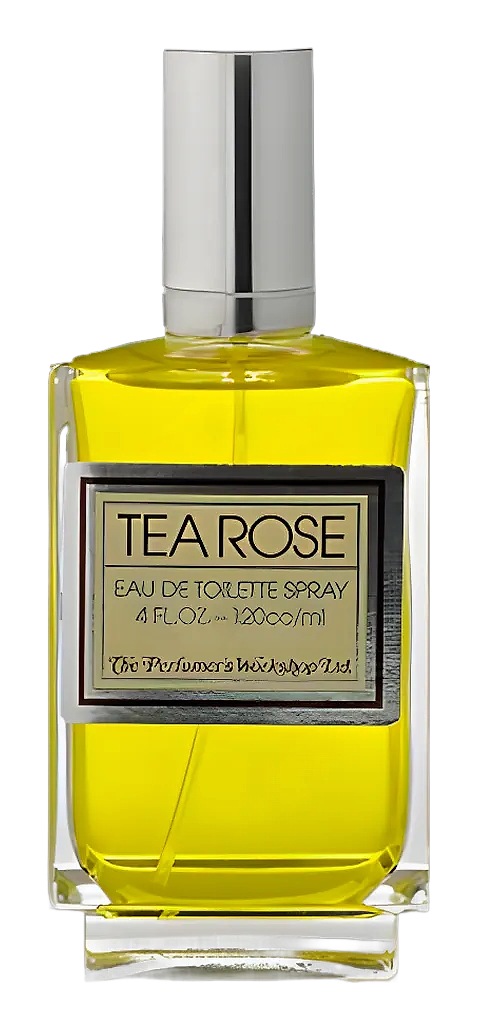
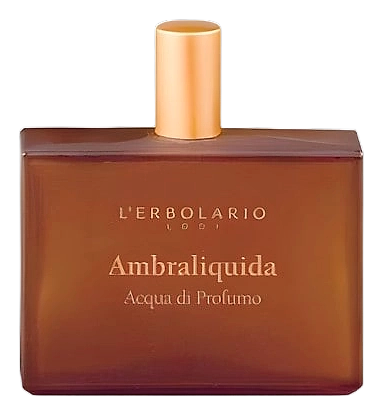
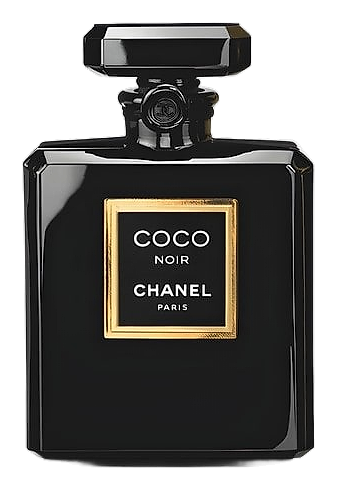
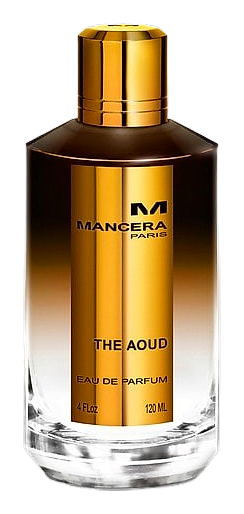
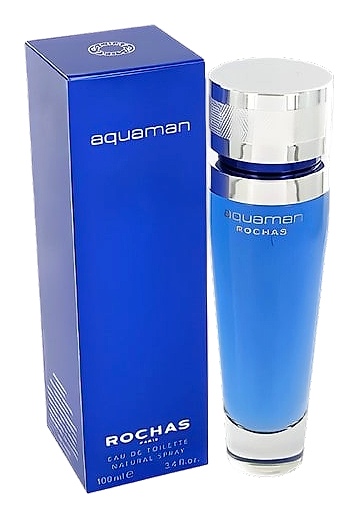
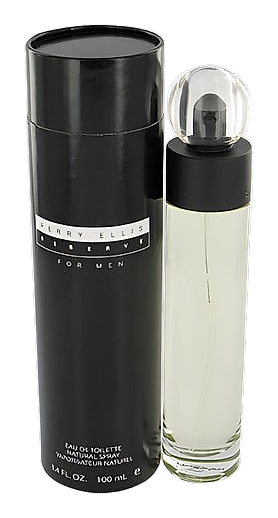
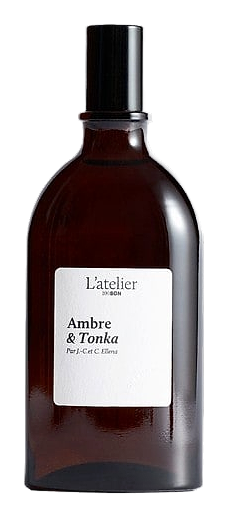
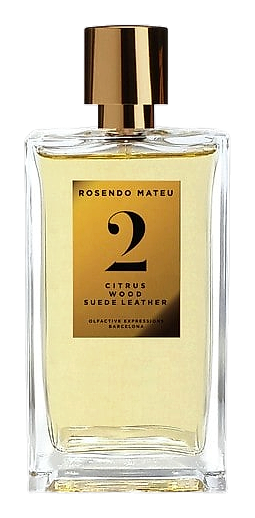
Brands
Brands known for Geranium Leaf
Good to know
Questions, answered
The essentials on Geranium Leaf in perfumery: how it smells, where it comes from, and how it behaves on skin.
What does geranium leaf smell like in fragrance?
Geranium leaf offers a green, rosy aroma with citrusy and slightly minty undertones. It reads as both floral and herbal, adding complexity without dominating a composition.
Is geranium leaf the same as the geranium plant in my garden?
No. The ornamental geraniums found in gardens belong to the Pelargonium genus, but perfumery specifically uses Pelargonium graveolens and related species cultivated for their aromatic leaves.
Is geranium leaf a natural or synthetic ingredient?
Natural geranium leaf oil comes from steam-distilled Pelargonium graveolens. Synthetic replicas exist, but natural versions remain preferred in fine fragrance for their olfactory depth.
What compounds give geranium leaf its distinctive scent?
Geraniol and citronellol drive the rose-like character, while citronellol contributes freshness. These compounds together create the signature rosy-green profile recognized in perfumery.
Where does the best geranium leaf oil come from?
Madagascar produces premium geranium leaf oil from high-altitude cultivation. The island's climate produces oil with particularly bright, rosy characteristics prized by perfumers.
What fragrance families use geranium leaf?
Geranium leaf appears across florals, chypres, and fougeres. It acts as a bridge note, adding herbaceous warmth to rose compositions and green lift to woody or mossy structures.
Does geranium leaf oil come from flowers or leaves?
Leaves and tender stems yield the aromatic oil. The flowers of Pelargonium graveolens contribute minimal fragrance, making leaf-focused cultivation standard practice.
How much essential oil does geranium leaf yield?
Steam distillation of Pelargonium graveolens yields approximately 0.1 to 0.5 percent essential oil by weight, depending on plant material quality and distillation efficiency.



