
The Story
Why it exists.
The beginning
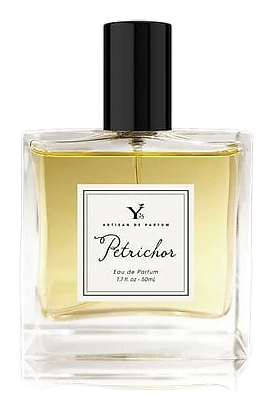
Petrichor is Y25's most elemental work yet. Named for the word that has no translation in most languages, the smell of rain on dry earth, it arrives in 2020 from perfumer Huỳnh Hải Yến as a study in singular sensation. Where other Y25 fragrances map cities and coastlines, Petrichor maps weather. A moment. A pressure change. The world before and after a storm. The brief charged stillness that falls just before everything gets wet. Y25 built its catalog on Vietnamese geography, but Petrichor goes further, it reaches for something that belongs to any place rain has ever fallen.
What makes Petrichor unusual is its structure. One top note. Geosmin. That is it for the opening, no bergamot, no citrus, no brightness to soften the blow. The perfumer chose to build on a single mineral shock rather than a chord. Iris and lavender arrive as a cool counterweight in the heart, but the composition remains fundamentally restrained. This is not a fragrance that fills a room. It asks you to lean in. In a market saturated with layered complexity and long ingredient lists, that kind of commitment to one idea is its own statement.
The evolution
The opening is geosmin, immediate and confrontational in the best way. Mineral. Damp stone. The smell of parched earth absorbing its first drops. It reads sharp for the first thirty minutes, clean in a way that has nothing to do with citrus or soap, but with moisture itself. Then iris arrives, powder-cool and slightly bitter, threading alongside lavender's green-calm. The florals do not overpower. They soften the mineral into something wearable. The drydown belongs to vetiver and patchouli, earthy, root-dark, but kept clean by white oak. What lingers is that final hour: skin that smells like dampened earth, the air after rain has stopped but has not yet forgotten.
Cultural impact
Petrichor represents a deliberate departure in contemporary perfumery by placing geosmin at the center of its composition rather than treating rain as an abstract mood. The molecule responsible for that distinctive post-rain smell becomes the literal subject, not a poetic allusion. This approach positions the fragrance within a broader niche movement toward hyper-specific, nature-derived materials where the signature ingredient is compositional fact rather than marketing. The 2020 launch arrived amid growing cultural conversations about nature disconnection in urban environments, making Petrichor both a fragrance and a sensory meditation on weather, memory, and place.