The Story
Why it exists.
The beginning
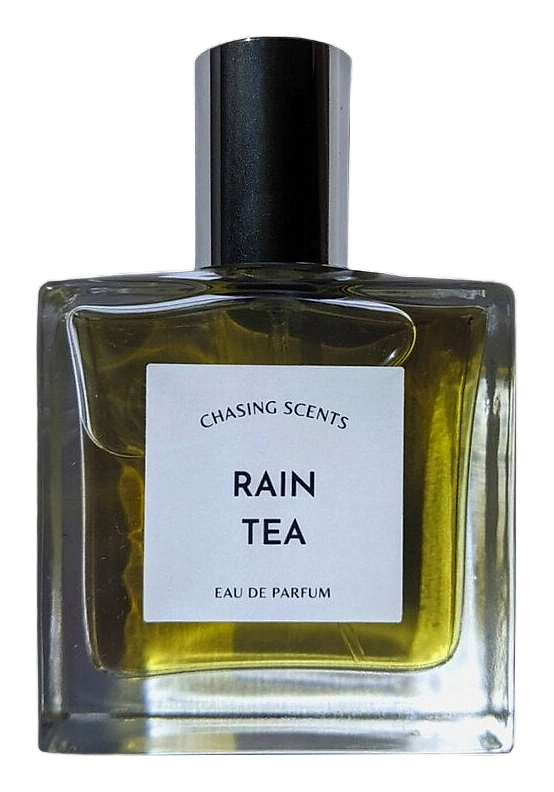
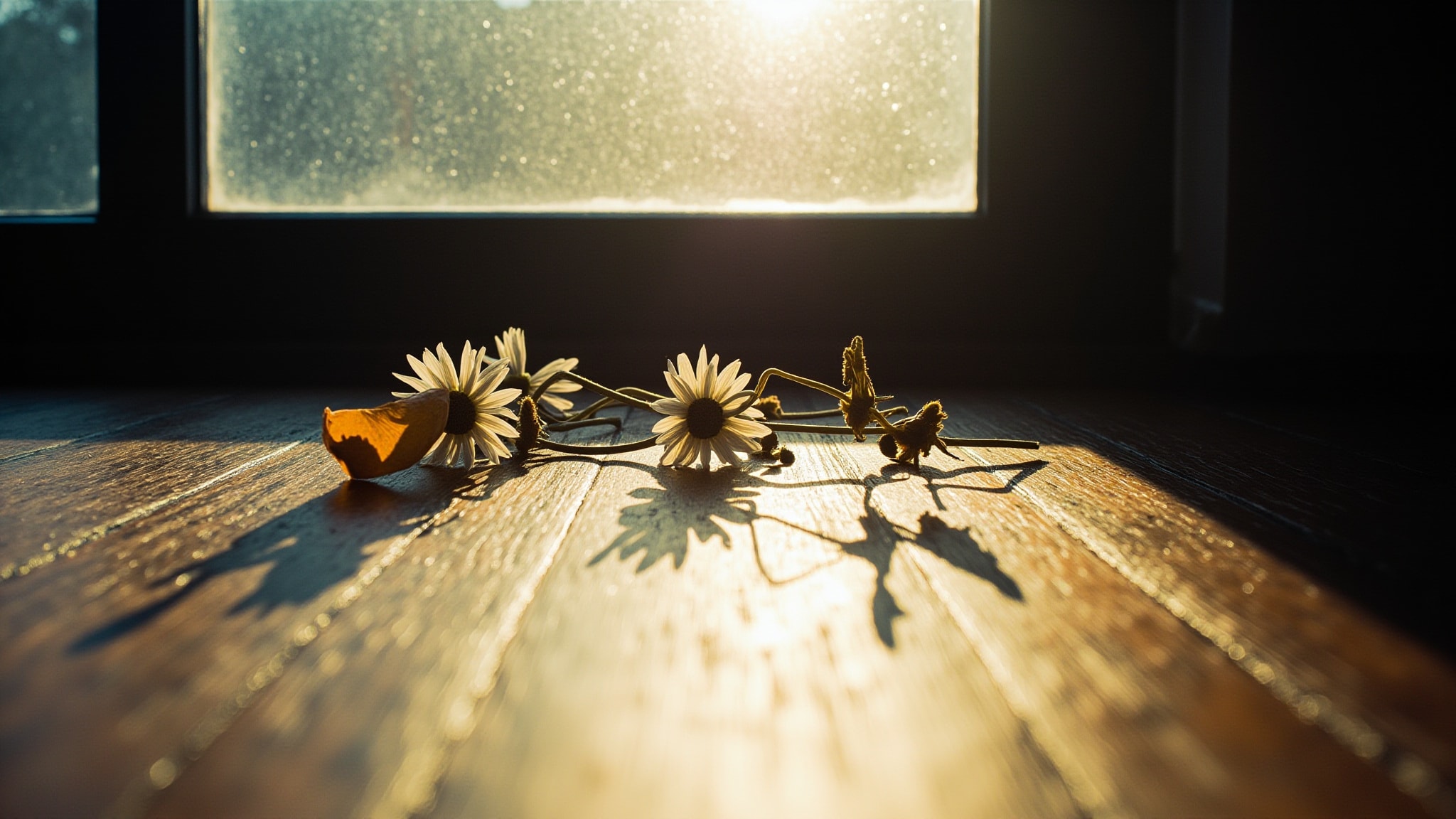
Rain Tea began as a question posed by the founder of Chasing Scents, Sandy Wong, who runs the Sydney-based fragrance house: what does it smell like when it rains in Australia? Rather than reaching for generic aquatics or ozonic tropes, Wong built the answer around in-house tea extracts and botanical ingredients that could genuinely evoke that specific atmospheric quality. The result is a fragrance that captures stillness rather than storm, stillness rather than storm, translated into wearable form through chamomile, acacia, chrysanthemum, white tea, honey, and barley.
Each note in Rain Tea serves a specific purpose in building the rainfall concept. Chamomile and chrysanthemum evoke the quietness of an Australian countryside after rain, while acacia adds a native floral sweetness. White tea, produced in-house by the brand, provides the genuine tea character that sits at the fragrance's core. Honey and barley complete the picture by adding warmth and earthiness, suggesting the grounded quality of wet soil and the comfort of shelter. The pairing of these ingredients is not accidental; it reflects a philosophy of using botanical materials to construct olfactory experiences that feel authentic rather than metaphorical.
The evolution
The fragrance opens with chamomile, acacia, and chrysanthemum, a trio that immediately establishes a gentle, slightly pastoral quality. Chamomile provides the calming entry point, acacia adds sweetness, and chrysanthemum contributes green-floral complexity. The heart belongs to white tea, which carries its characteristic delicate sweetness and vegetal undertones, allowing the fragrance to shift from floral to tea-forward without losing continuity. The drydown introduces honey and barley, creating a warm, slightly grainy foundation that grounds the entire composition. The progression feels deliberate: from gentle florals through a clear tea mid-note to a warm, slightly savory base, each phase building naturally on the last.
Cultural impact
Rain Tea entered a niche fragrance landscape that was already exploring tea as a material, but it carved out its own territory through botanical authenticity. The combination of Australian wattle-inspired florals, chrysanthemum, acacia, with white tea and honey sets it apart from the more conventional green tea or jasmine tea fragrances that populate the category. Some wearers have noted that the drydown skews warmer and earthier than the official description suggests, but this divide between expectation and reality is part of what makes Rain Tea interesting. It's a fragrance that asks you to experience it before you judge it.