Chrysanthemum
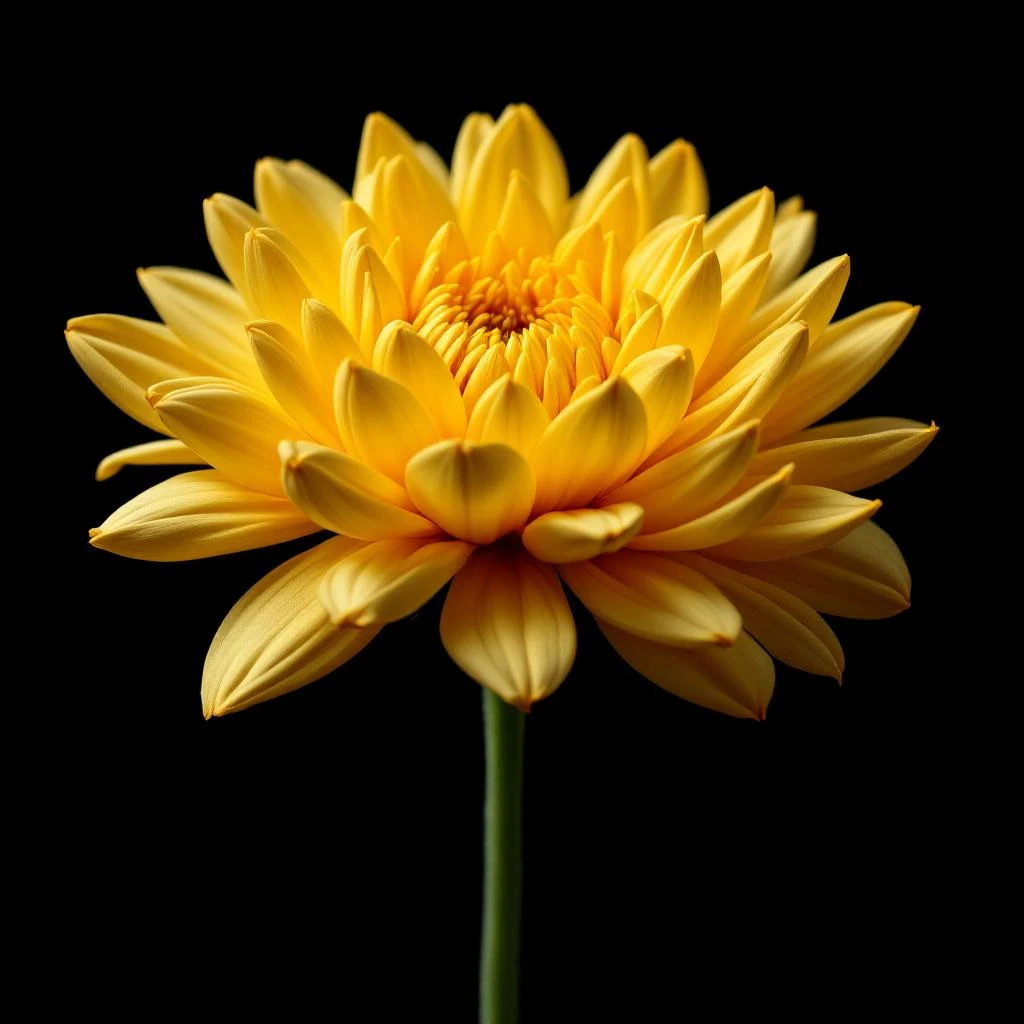
Chrysanthemum brings an unexpected green, herbaceous depth to fine fragrances. Rarely used but striking when it appears, this flower offers a vegetal, slightly bitter warmth that bridges floral and green fragrance families with quiet sophistication.
Character
How it smells
A green, herbaceous bloom with rare perfumery presence.
Chrysanthemum is one of the few florals whose fragrance is better captured through solvent extraction than steam distillation, preserving its more delicate aromatic compounds.







Origin
China
Chrysanthemum has deep roots in East Asian culture spanning over two millennia. The Chinese cultivated it as both an ornamental garden flower and a medicinal herb, with records of its use in healing preparations dating to at least the 15th century BCE.
The Japanese adopted it with equal reverence, eventually adopting the chrysanthemum as their imperial seal and the emblem of the Emperor, cementing its status as a flower of honor and spiritual significance. In traditional Chinese medicine, chrysanthemum flowers were brewed in teas to clear heat and calm the spirit, a practice that persists today.
Its entry into Western perfumery came much later, largely through the 20th-century fascination with exotic botanical absolutes. Today it remains a niche ingredient, valued by perfumers seeking an unconventional floral component that carries cultural weight and a distinctive vegetal character rarely found among more conventional note families.
Wears it best
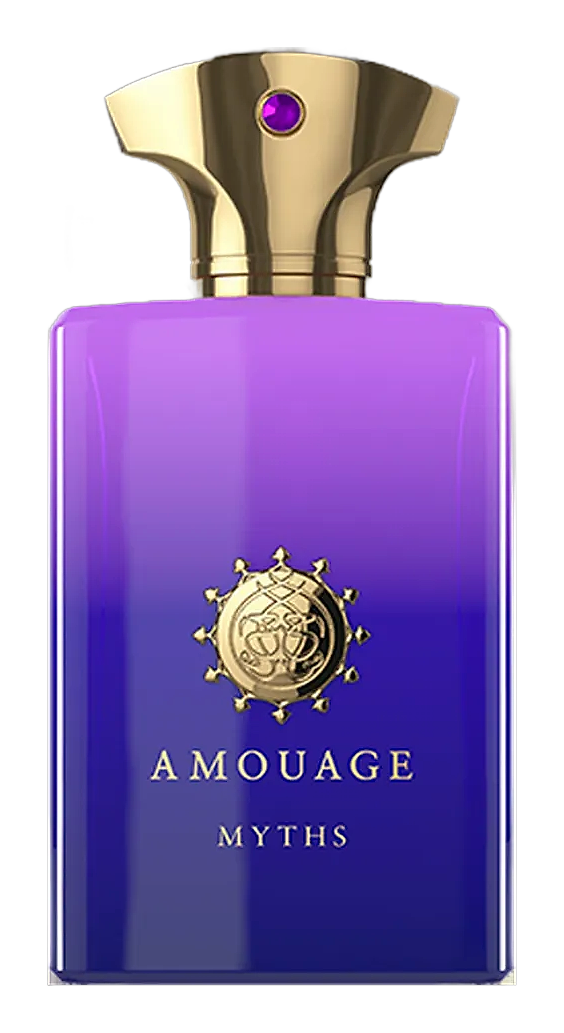
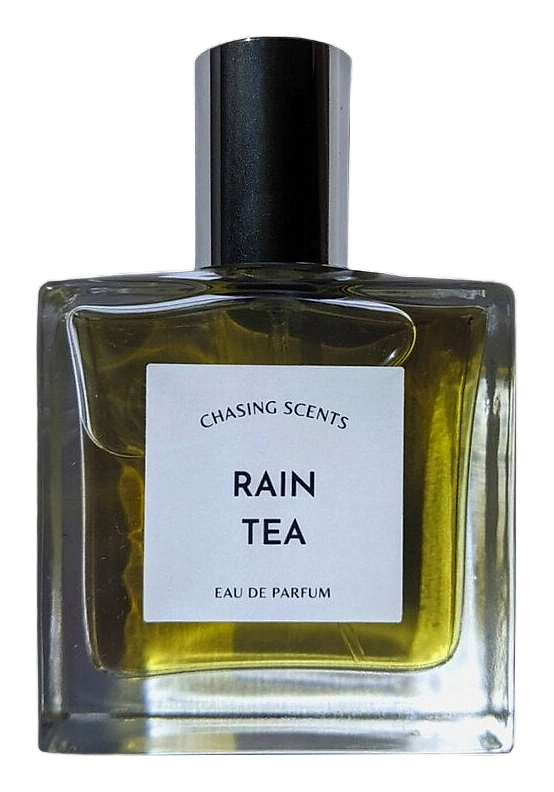
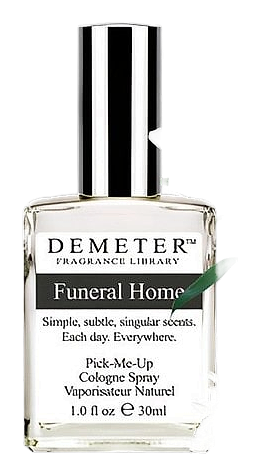
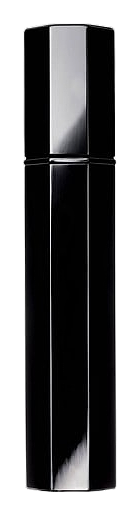
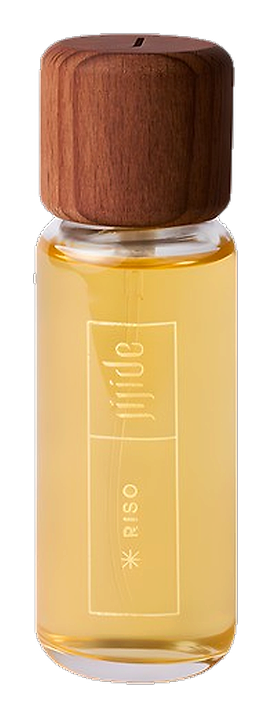
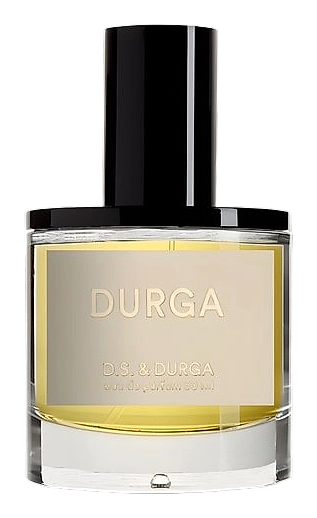
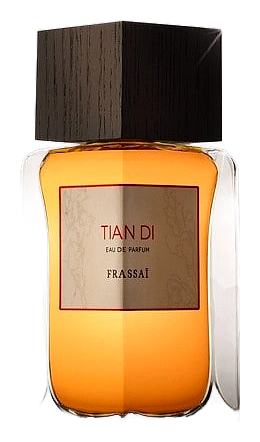
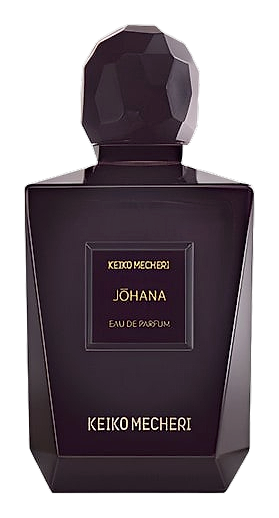
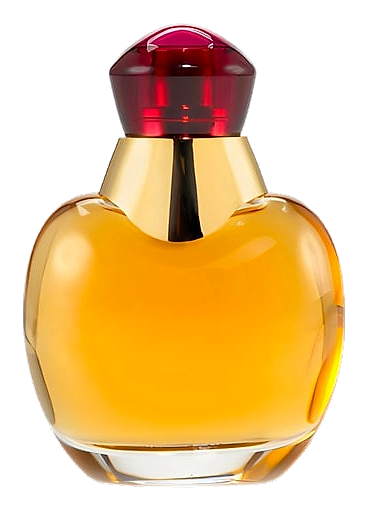
Fragrances featuring Chrysanthemum

Brands
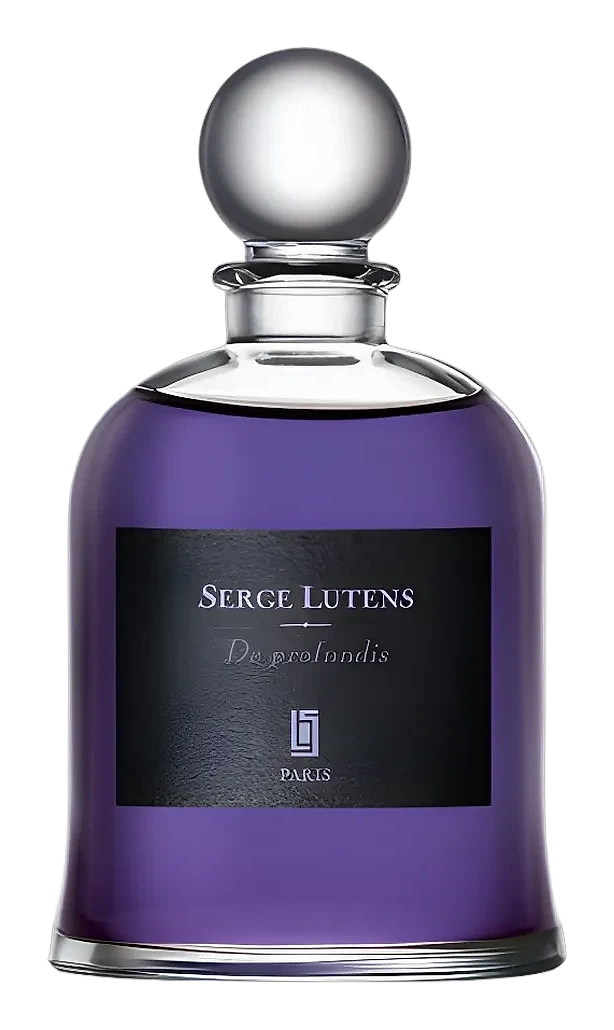
Brands known for Chrysanthemum
Good to know
Questions, answered
The essentials on Chrysanthemum in perfumery: how it smells, where it comes from, and how it behaves on skin.
What does chrysanthemum smell like in perfume?
Chrysanthemum absolute has a green, herbaceous, and slightly bitter character with camphor-like undertones. It adds a vegetal, aromatic depth rather than the sweet floralcy expected from more common florals.
Is chrysanthemum used often in commercial fragrances?
Chrysanthemum appears in fragrances infrequently. It is considered a niche ingredient, more commonly featured in artisanal or niche perfumery than in mass-market releases.
How is chrysanthemum absolute produced?
Producers use solvent extraction on dried chrysanthemum flowers. Steam distillation is less effective here because the key aromatic molecules are heat-sensitive and degrade under high temperatures.
Which chrysanthemum species are used in perfumery?
Chrysanthemum morifolium and Chrysanthemum indicum are the primary species sourced for perfumery use. These varieties offer the most favorable aromatic compound profiles for extraction.
What role does chrysanthemum play in a fragrance formula?
Perfumers use chrysanthemum as a bridge note, connecting green or herbal accords with floral heart notes. Its bitter, camphoraceous edge adds complexity and an unexpected organic quality to compositions.
Does chrysanthemum have cultural significance in perfumery?
Yes. Chrysanthemum holds deep cultural meaning in China and Japan, where it has been cultivated for ornamental and medicinal purposes for over 3,000 years. This heritage adds symbolic weight to its use in fine fragrance.
Is natural chrysanthemum absolute widely available?
Natural chrysanthemum absolute is relatively scarce on the global market. Limited production volumes mean it is a specialty ingredient rather than a standard offering from most aroma chemical suppliers.
Are there synthetic alternatives to chrysanthemum in perfumery?
Some individual aromatic compounds found in chrysanthemum, such as chrysanthenone, are available as isolated aromachemicals. These allow perfumers to introduce chrysanthemum-like green notes without using the natural absolute.



