
The Story
Why it exists.
The beginning
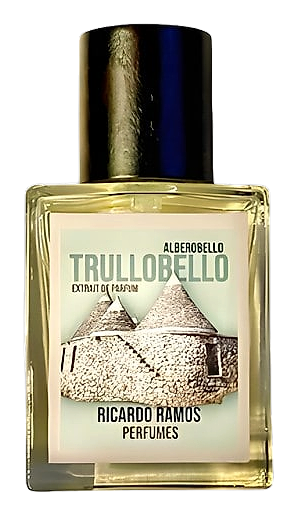
Trullobello takes its name from the trulli, those strange, whitewashed conical houses that cluster in Alberobello, a town in the Puglia region of southern Italy. Ricardo Ramos built this fragrance as an aromatic fougère homage to that landscape: the rain-dampened earth between the stone structures, the lemon groves that line the paths, the lavender that grows wild in the surrounding fields. It is a return to classic perfumery, but refracted through a mineral lens that makes the familiar feel slightly off-kilter, in the best way.
The geosmin-lavender pairing is the structural surprise here. Geosmin is the compound that gives petrichor its signature smell, that exact moment when dry earth meets rain. In perfumery it reads as mineral, damp, almost aquatic, and it pairs with lavender in a way that feels both classical and strange. The oud does not perform its usual role. Rather than anchoring the composition with its dense, resinous presence, it works underneath, amplifying the citrus, adding depth without weight. Cedar and oakmoss keep the base woody and slightly green, extending the fougère tradition into territory that feels more mineral than most.
The evolution
The opening hits fast. Basil and lemongrass arrive crisp and green, then the lemon blossom slides in, sweet, clean, almost waxy. It lasts maybe twenty minutes before the mineral accord takes over. That is when Trullobello becomes itself. Geosmin and lavender introduce a damp-earth quality that lingers through the heart, reshaping the fragrance from a bright herbal-citrus into something deeper and more grounded. The cedar arrives quietly, never announcing itself, and the oud settles underneath like a low hum. On most skin types the drydown arrives around the four-hour mark, intimate, close, mineral-woody. The oakmoss keeps it from disappearing entirely. What remains the next morning is a faint mineral warmth along the wrists, not quite gone.
Cultural impact
Trullobello occupies an unusual position in the aromatic fougère category, mineral and aquatic accords give it a quietness that distinguishes it from more projecting fragrances in the family. The geosmin-lavender pairing will appeal to wearers who value complexity over sillage, and who seek fragrances that reward attention rather than announce themselves.
The House
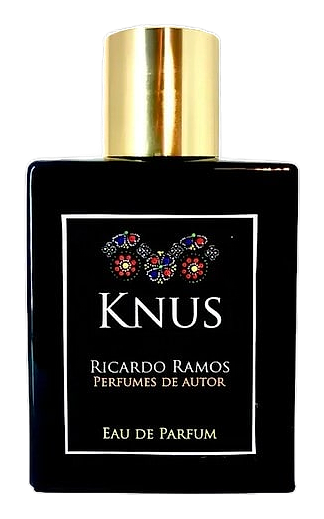
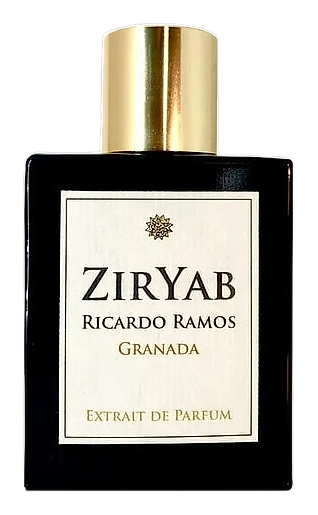
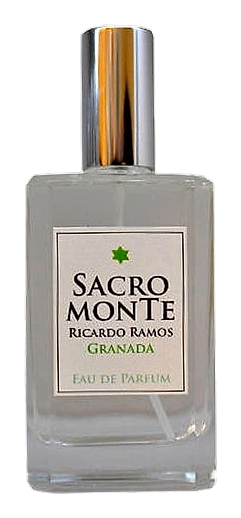
Ricardo Ramos Perfumes de AutorRicardo Ramos Perfumes de Autor creates artistic fragrances from Granada, Spain. Each scent references Andalusian history, colonial trade routes, and the cultural mix of South American expatriates who live in Granada and Istanbul. The line balances vintage ingredients such as oud, ambergris, and citrus with modern laboratory techniques, offering collectors a narrative that feels both scholarly and sensual. Recent releases like HooDoo Blues (2023) and Manigua (2025) illustrate the brand’s ongoing dialogue between past and present, while older classics such as AGUA DE BARCELONA (2004) remain reference points for the house’s evolving language.
The Creator
Ricardo RamosRamos gravitates toward opulent, characterful compositions that refuse to disappear into the background. Oriental structures appear frequently in his work, as seen in Cristina la Veneno, an assertive unisex fragrance that takes its name from Spanish cultural iconography and wr…