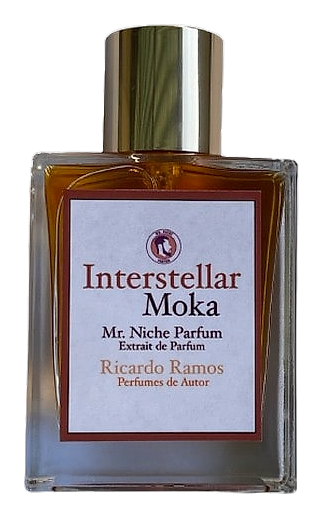
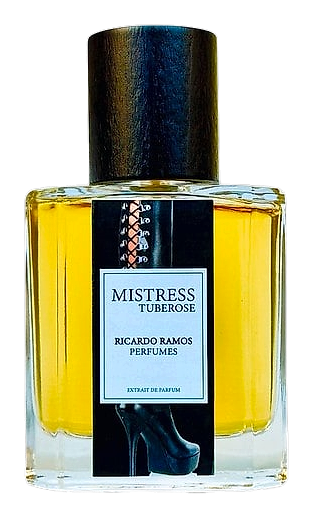
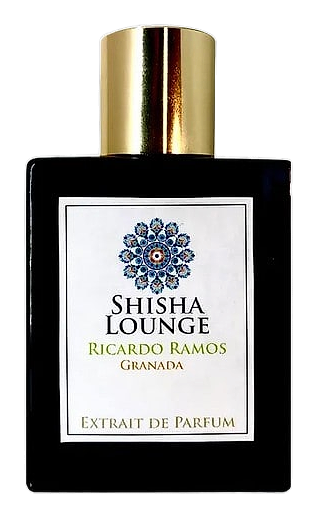
    Brand Profile

    Ricardo Ramos Perfumes de Autor creates artistic fragrances from Granada, Spain. Each scent references Andalusian history, colonial trade ro…More

    Spain·Est. 2004·Site

    2

    Fragrances

    2.3

    Rating

    49
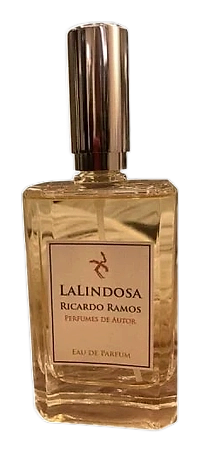
    LaLindosa by Ricardo Ramos Perfumes de Autor
    2.3

    LaLindosa

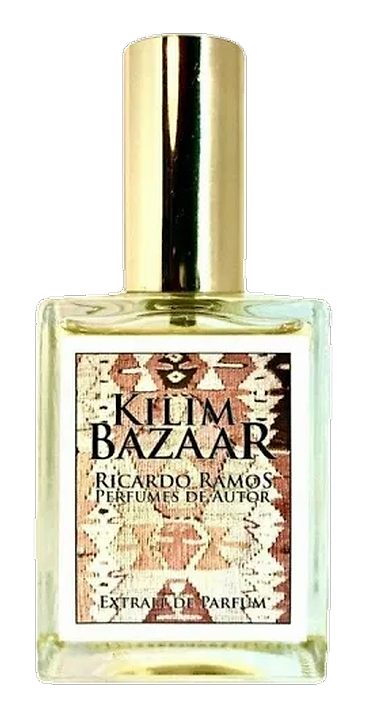
    Kilim Bazaar by Ricardo Ramos Perfumes de Autor
    2.3

    Kilim Bazaar

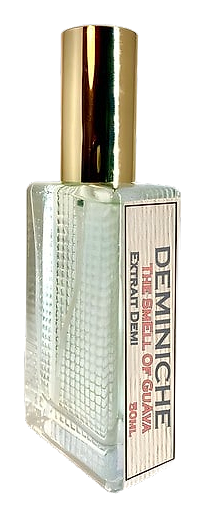
    The Smell of Guava by Ricardo Ramos Perfumes de Autor
    Best Seller
    5.0

    The Smell of Guava

    Chypre Molecular by Ricardo Ramos Perfumes de Autor
    Best Seller
    5.0

    Chypre Molecular

    HooDoo Blues by Ricardo Ramos Perfumes de Autor
    Best Seller
    5.0

    HooDoo Blues

    Manigua by Ricardo Ramos Perfumes de Autor
    New
    4.8

    Manigua

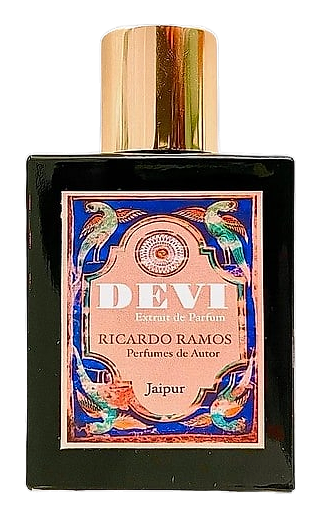
    Devi by Ricardo Ramos Perfumes de Autor
    4.8

    Devi

    Iron Gall by Ricardo Ramos Perfumes de Autor
    4.7

    Iron Gall

    Rosary by Ricardo Ramos Perfumes de Autor
    4.7

    Rosary

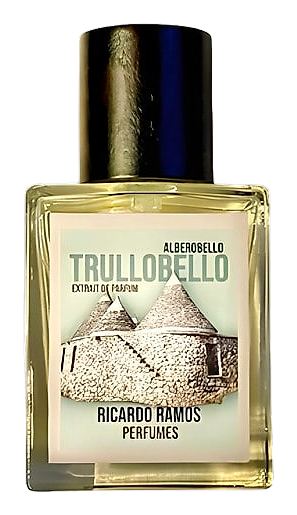
    Trullobello by Ricardo Ramos Perfumes de Autor
    4.7

    Trullobello

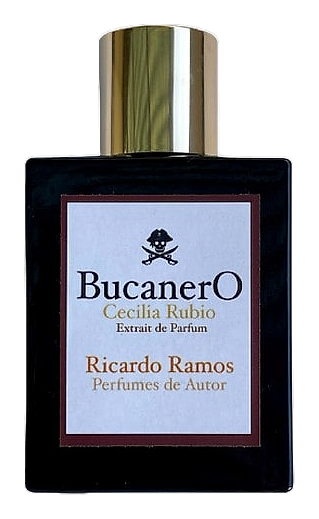
    BucanerO by Ricardo Ramos Perfumes de Autor
    4.7

    BucanerO

    Vellum by Ricardo Ramos Perfumes de Autor
    4.6

    Vellum

    1 of 5

    The Heritage

    The Story of Ricardo Ramos Perfumes de Autor

    Ricardo Ramos Perfumes de Autor creates artistic fragrances from Granada, Spain. Each scent references Andalusian history, colonial trade routes, and the cultural mix of South American expatriates who live in Granada and Istanbul. The line balances vintage ingredients such as oud, ambergris, and citrus with modern laboratory techniques, offering collectors a narrative that feels both scholarly and sensual. Recent releases like HooDoo Blues (2023) and Manigua (2025) illustrate the brand’s ongoing dialogue between past and present, while older classics such as AGUA DE BARCELONA (2004) remain reference points for the house’s evolving language.

    Heritage

    Ricardo Ramos grew up hearing stories of scent from his paternal grandfather, a Colombian horseman who prized the aroma of leather and pasture. After moving to Spain, Ramos entered the fashion world, designing garments that often featured textile details inspired by his South American roots. In 2004 he launched the series AGUA DE BARCELONA while living in Barcelona, marking the first public expression of his artistic perfumery vision. A few years later he partnered with perfumer Jorge Lee, merging Ramos’s narrative focus with Lee’s technical expertise; the collaboration is documented in a 2022 Scent Split feature that traces the brand’s 25‑year journey. By 2018 the house had expanded beyond Spain, presenting a combined fashion‑perfume showcase at Berlin Fashion Week, where Ramos wore a silk kimono paired with his own fragrance. The brand settled in Granada, a city whose Moorish heritage supplies a rich palette of historic ingredients. From this base, South American formulators in Granada and Istanbul develop new compositions, a process highlighted in a 2021 interview that describes the cross‑continental team’s role in translating regional stories into scent. Over the past two decades the house has released more than a dozen fragrances, each anchored to a specific year and theme, building a catalog that reads like a chronological museum of olfactory art.

    Craftsmanship

    Production begins with a field audit of raw material suppliers. For citrus and floral extracts, the house works with Andalusian farms that follow organic cultivation methods, a detail confirmed by a 2021 feature on the brand’s sourcing policy. Ambergris, a rare marine secretion, arrives from certified sustainable harvesters in the Indian Ocean; the material undergoes a cold‑press filtration that preserves its natural aroma profile. Once ingredients arrive in Granada, they are catalogued in a temperature‑controlled vault that tracks batch numbers and harvest dates. The formulation team, composed of South American chemists based in Granada and Istanbul, blends the components in stainless‑steel mixers, following precise ratios recorded in digital lab notebooks. After maceration, the mixture is filtered through a series of fine meshes to remove particulate matter. The final perfume is poured into hand‑blown glass bottles that have been annealed to prevent stress fractures. Quality control includes gas‑chromatography analysis to verify that each note meets the house’s scent specifications. Bottles are sealed with corks sourced from Portuguese cork oak forests, then wrapped in recycled paper that bears the brand’s minimalist logo. Every step, from farm to final packaging, is documented to ensure consistency across batches, a practice highlighted in the Scent Split article that traced the brand’s 25‑year evolution.

    Design Language

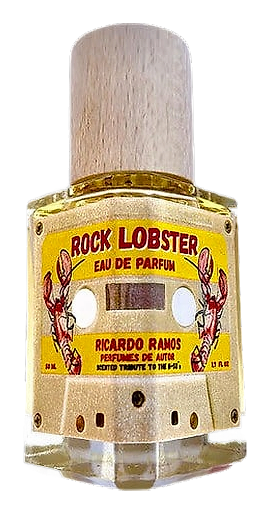
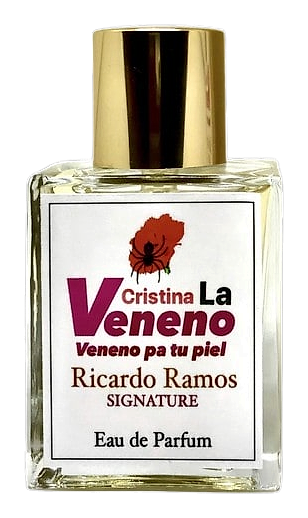
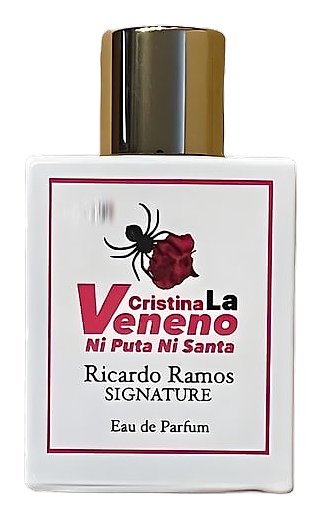
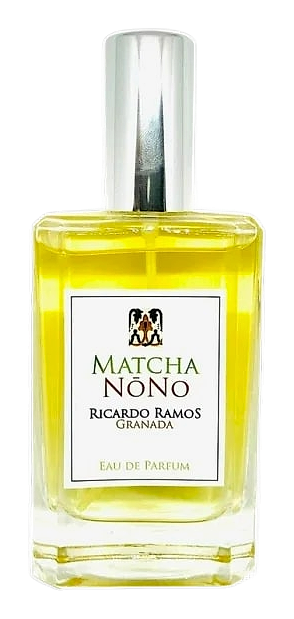
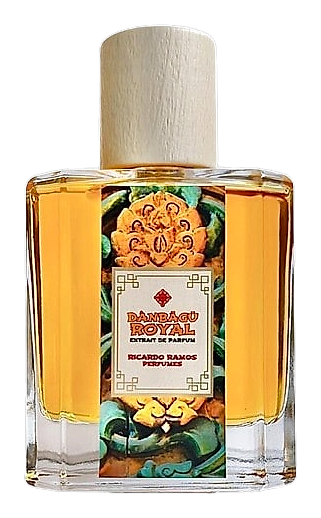
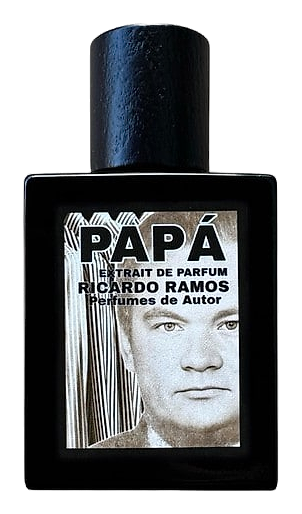
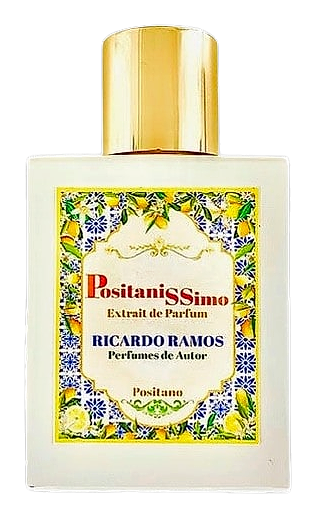
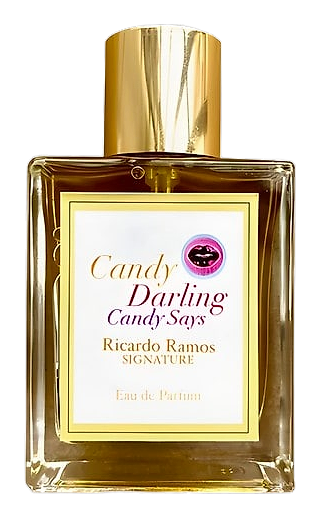
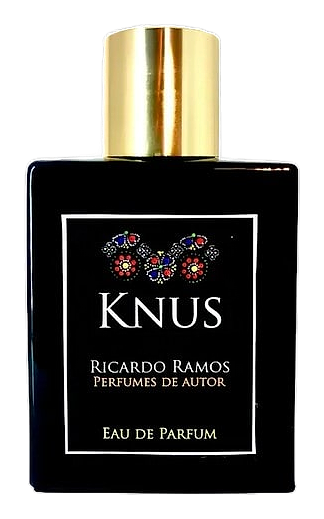
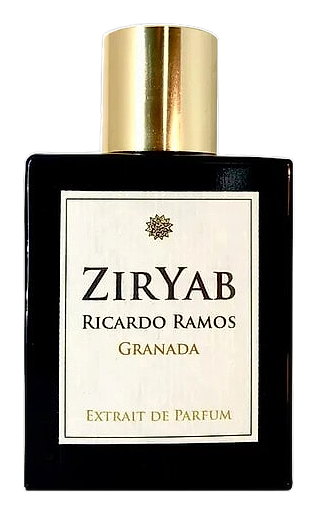
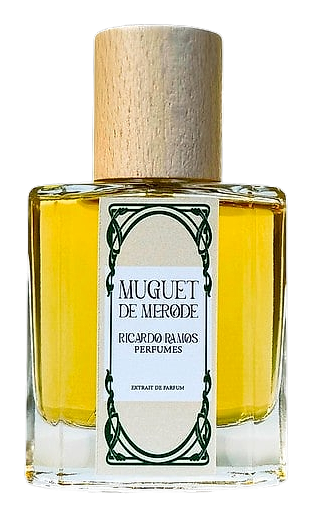
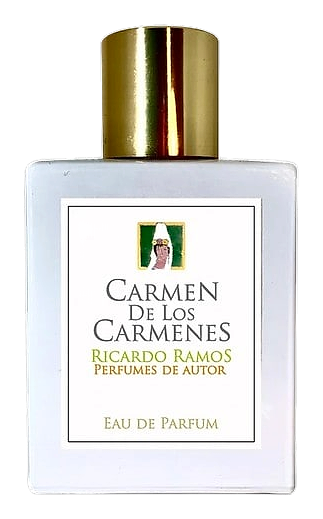
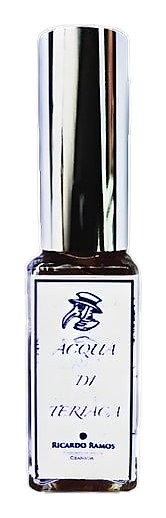
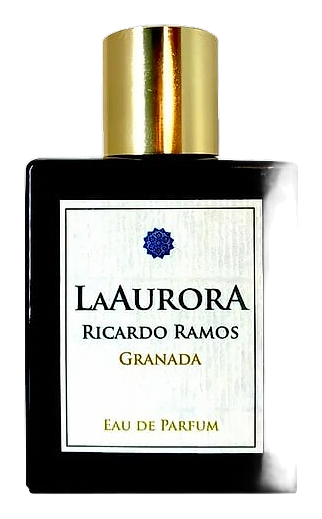
    The visual language of Ricardo Ramos Perfumes de Autor mirrors its olfactory narrative. Bottles feature clean, rectangular silhouettes with subtle curvature, echoing the geometric patterns of Andalusian architecture. The glass is often tinted in muted earth tones—sand, amber, or deep teal—reflecting the natural pigments of the ingredients inside. Labels use a serif typeface that references historic Spanish manuscripts, while the brand’s logo appears in a simple black monogram. Packaging employs recycled kraft paper, stamped with a single line drawing of the fragrance’s inspiration, such as a stylized guava for The Smell of Guava (2021) or a stylized iron gall ink drop for Iron Gall (2021). The overall aesthetic balances modern minimalism with heritage motifs, creating a cohesive image that feels both museum‑ready and wearable. In 2018, the brand extended this visual identity to runway, dressing models in silk kimonos that matched the bottle colors during the Berlin Fashion Week presentation, a moment captured in an Instagram post that linked the scent to its textile counterpart.

    Philosophy

    Ricardo Ramos approaches perfumery as a form of storytelling. He selects raw materials that once defined trade routes across the Mediterranean and the Atlantic, then reinterprets them through a contemporary lens. The brand values authenticity, insisting that each ingredient carries a documented provenance, whether it is Andalusian orange blossom harvested in spring or Turkish rose oil distilled in the early morning. Ramos believes that scent can evoke memory, so he designs each fragrance to trigger a specific historical moment or personal narrative. The house avoids generic claims of innovation; instead it highlights concrete practices such as sourcing ambergris from sustainable marine farms and partnering with local cooperatives for citrus extracts. Transparency guides the creative process, and the brand shares formulation notes on its website, inviting enthusiasts to explore the chemistry behind each note. Community also matters: the team encourages dialogue with collectors, using feedback to refine future releases while preserving the original artistic intent.

    Key Milestones

    2004

    Launch of the AGUA DE BARCELONA series in Barcelona, marking the first public artistic perfume collection.

    2018

    Presentation at Berlin Fashion Week, pairing fragrance with a silk kimono designed by Ricardo Ramos.

    2021

    Release of Iron Gall, Rosary, Vellum, and The Smell of Guava, expanding the house’s modern catalog.

    2022

    Introduction of Chypre Molecular and BucanerO, showcasing the brand’s focus on historic ingredient reinterpretation.

    2023

    Launch of HooDoo Blues and Devi, reinforcing the cross‑cultural collaboration between Granada and Istanbul teams.

    2024

    Release of Trullobello, a fragrance inspired by Andalusian citrus groves.

    At a Glance

    Brand profile snapshot

    Origin

    Spain

    Founded

    2004

    Heritage

    22

    Years active

    Collection

    2

    Fragrances released

    Avg Rating

    2.3

    Community sentiment

    Release Rhythm

    2026
    2
    2025
    4
    2024
    3
    2023
    4
    2022
    4
    2021
    7
    2020
    6
    2019
    3
    ricardoramosperfumes.com

    Did You Know?

    Interesting Facts

    Distinctive details and defining moments that shape the house personality.

    01

    The brand’s formulations are created by South American expatriates who live in both Granada and Istanbul, blending two distinct cultural perspectives.

    02

    Ricardo Ramos inherited his olfactory sensitivity from a Colombian grandfather who worked as a horseman, a story that influences the brand’s emphasis on memory.

    03

    Ambergris used in the perfumes comes from certified sustainable marine farms, a rarity among independent houses.

    04

    The house participated in Berlin Fashion Week 2018, presenting perfume alongside a custom silk kimono, a rare fusion of fashion and scent.

    The Artisans

    The Perfumers