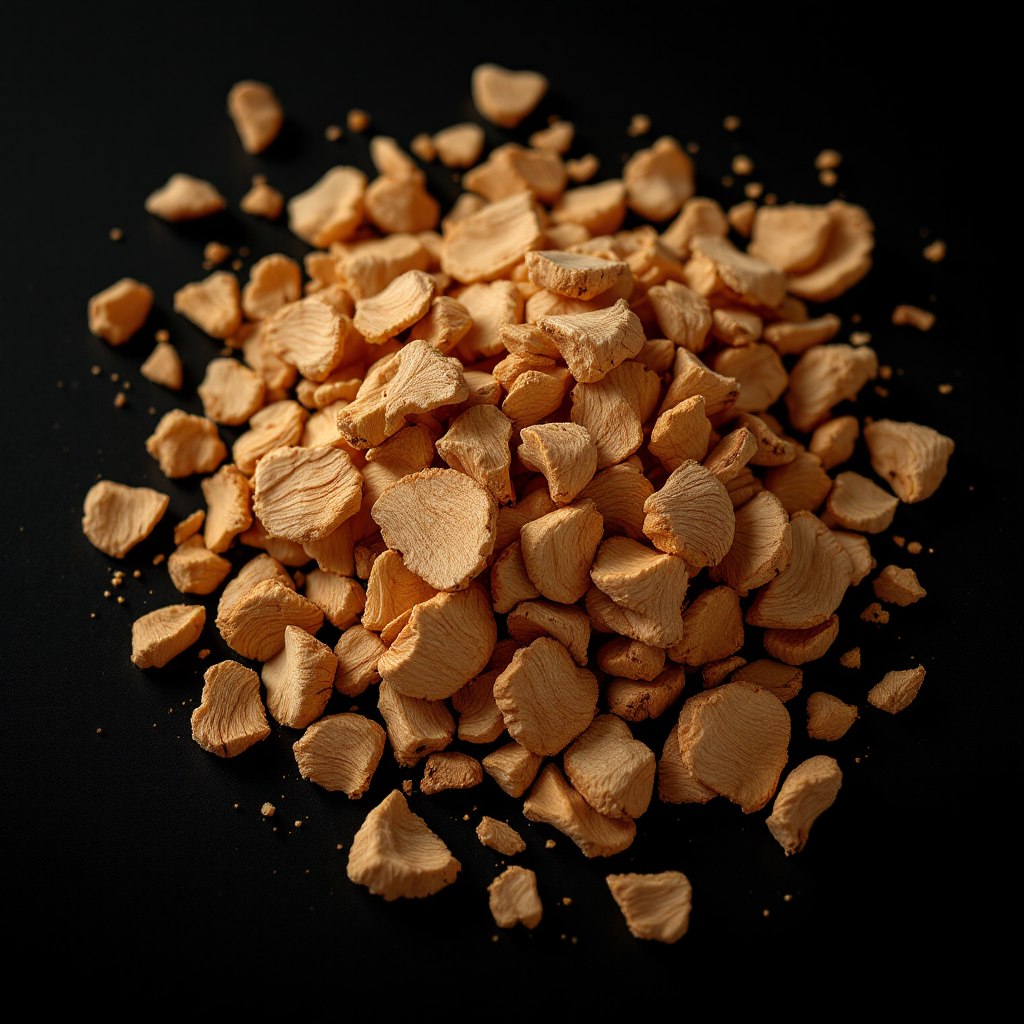
Wood Smoke
Wood smoke captures one of humanity's oldest aromatic experiences—the primal scent of burning wood. In perfumery, it adds remarkable depth and a visceral quality that no other ingredient quite replicates. This note connects us to our most ancient relationship with fragrance.
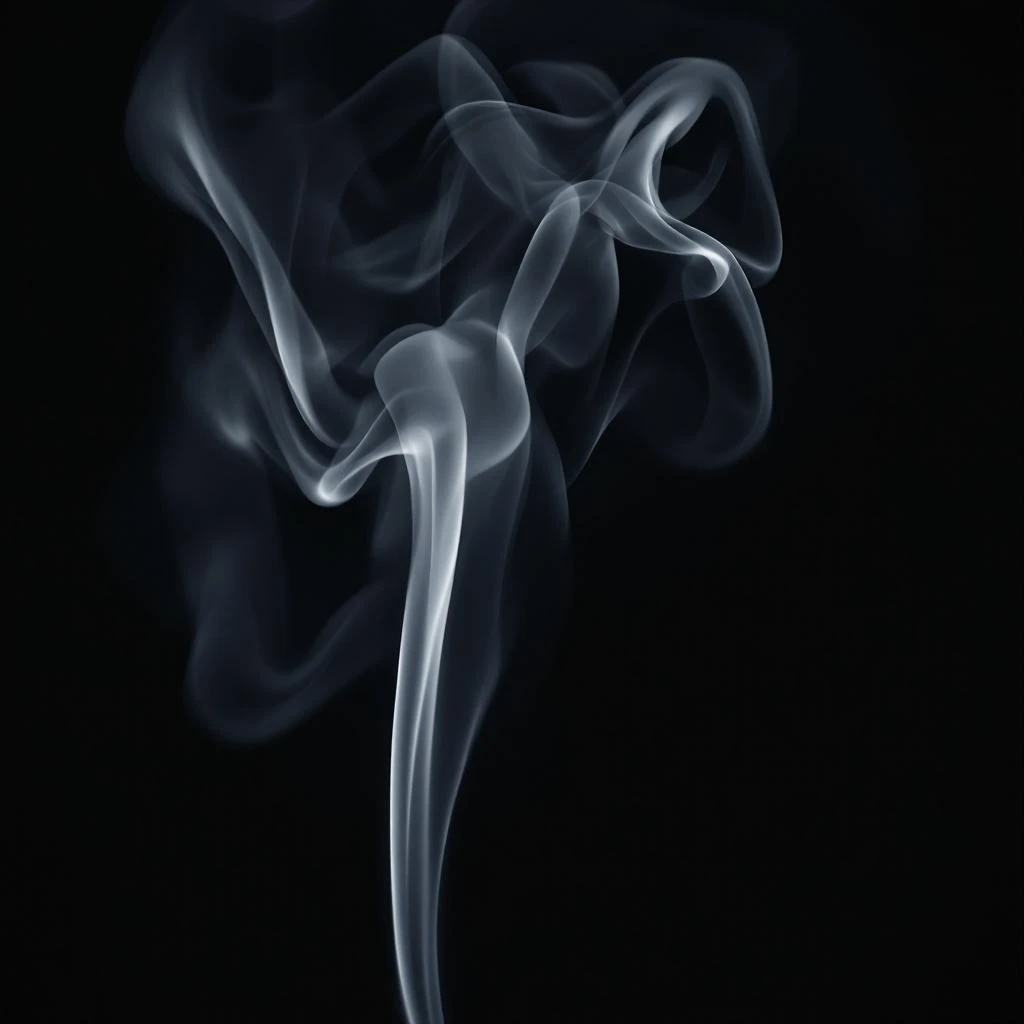
Character
How it smells
Fire captured in a bottle.
Ancient Mesopotamians burned wood resin as incense around 4000 BCE—predating written language itself.









Origin
France
The scent of burning wood is inseparable from human history. Before perfumery existed as a craft, early humans experienced fragrance through campfires and sacred burns—a sensory encounter that shaped ritual, warmth, and community across millennia.
Archaeological evidence from Mesopotamia and ancient Egypt, dating to around 4000 BCE, shows that aromatic woods were already central to ceremonial life. The Egyptians refined techniques for extracting and preparing fragrant materials from resins and woods, practices that informed the development of perfumery as we know it.
The word itself tells the story. The French term "parfum" derives from the Latin "per fumum," meaning "through smoke"—directly referencing the smells produced by burning incense. For thousands of years, smoke carried fragrance into sacred spaces, temples, and daily life.
The transition from sacred smoke to perfumery ingredient came gradually. As distillation and extraction techniques advanced through the 19th century, perfumers gained access to wood smoke in a new form: as a usable aromatic material in composition. Today, wood smoke occupies a distinctive place in fragrance—not as a relic, but as a living link to the oldest chapter of perfumery's story.
Wears it best
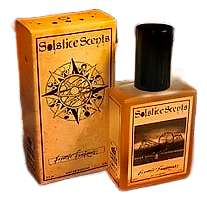
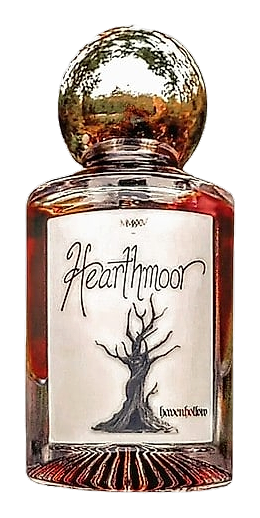
Fragrances featuring Wood Smoke

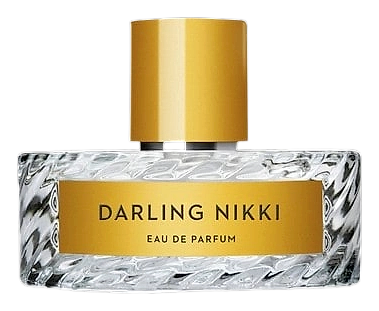
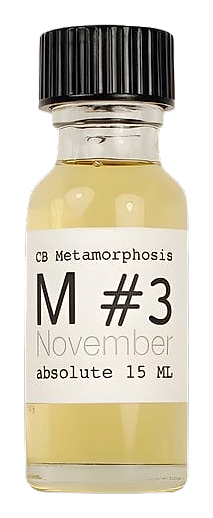


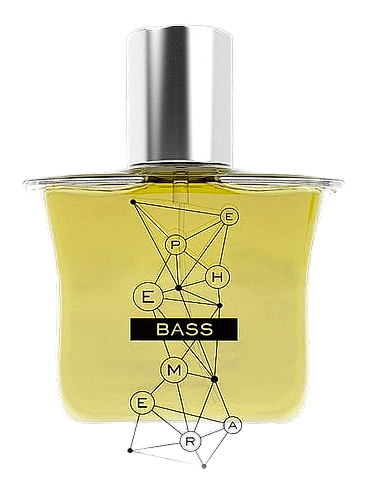


Brands
Brands known for Wood Smoke
Good to know
Questions, answered
The essentials on Wood Smoke in perfumery: how it smells, where it comes from, and how it behaves on skin.
What does wood smoke smell like in a fragrance?
Wood smoke delivers a primal, campfire-like aroma with warm, tarry undertones and faint traces of ash. It reads as both smoky and subtly sweet, with a dry, almost waxy character that grounds lighter notes in a composition.
Is wood smoke a natural or synthetic ingredient in perfumery?
It can be either. Natural wood smoke is produced through controlled combustion and condensation of aromatic woods, while synthetic versions replicate key smoke molecules like guaiacol. Both approaches produce usable aromatic materials for fragrance formulation.
Which fragrance families commonly use wood smoke?
Woody, oriental, and leather fragrances most frequently feature wood smoke. It also appears in certain chypre and fougère compositions, where its smoky depth adds contrast to brighter top notes and provides structural weight to the overall blend.
What types of wood are used to produce smoke extracts?
Oak, beech, cedar, and birch are among the woods used for smoke extraction. Each species produces distinct aromatic compounds when burned, resulting in smoke materials that vary in sweetness, intensity, and resinous character.
Does wood smoke last long in a fragrance?
Wood smoke typically performs as a heart-to-base note material, remaining detectable for several hours on skin. Its tenacity depends on the concentration used and the supporting base materials in the formula.
How does wood smoke interact with other ingredients?
Wood smoke works as an anchor for lighter materials. It pairs naturally with other woody notes, amplifying their depth, while also adding contrast to floral and citrus elements. In oriental compositions, it reinforces warm, resinous character.
What is the cultural significance of smoke in fragrance history?
Smoke is the oldest form of fragrance. The term "parfum" itself comes from the Latin "per fumum," meaning through smoke. Sacred smoke rituals in Mesopotamia and Egypt date to approximately 4000 BCE, predating recorded history.
Is wood smoke considered a sustainable ingredient?
Modern production has shifted toward sustainable sourcing. Closed combustion systems and bioidentical synthesis reduce the resource demand of traditional smoking methods while maintaining the aromatic integrity that perfumers seek.