The Story
Why it exists.
The beginning
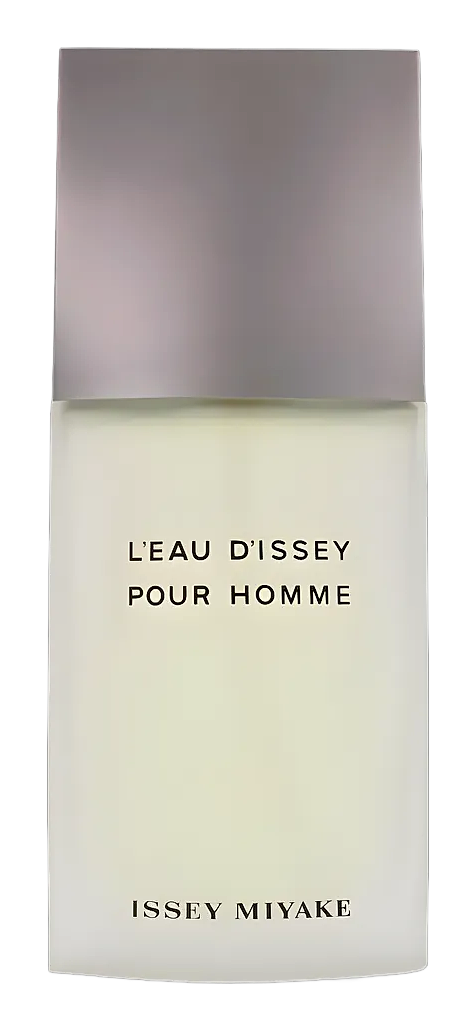
Armani entered the fragrance world in 1980, four years before this scent arrived. When Roger Pellégrino composed Eau Pour Homme in 1984, the brief was deceptively simple: capture Italian masculine elegance without softness. No floral prettiness, no trendy aquatic notes. Just the sharp confidence of someone who dresses without trying. The result was a citrus-woody composition that felt like unlined linen, structured without stiffness, effortless without being careless. Pellégrino built it around the tension between bright citrus and earthy depth, a contrast that felt native to the Armani world: studied nonchalance as a style, not a mood.
The pyramid is unusually wide for a fragrance of this era. Seven heart notes, clove, nutmeg, jasmine, lily, rose, lavender, cinnamon, could easily overwhelm, but the structure keeps them in check. The opening citrus is so immediate and assertive that it sets the terms: clean, sharp, green. The heart arrives gradually, and the spice reads warm rather than loud. What makes it interesting is the oakmoss. Less common in modern compositions, it gives the drydown a mossy, almost mineral quality that distinguishes it from the cedar-patchouli templates of the era. Vetiver and cedar anchor it; patchouli adds earth without sweetness. Musk holds everything close to the skin.
The evolution
The opening hits within seconds, lemon, bergamot, mandarin, all at once. Bright and confident. The basil arrives within minutes, adding an aromatic green note that keeps the citrus from reading sweet. By the 30-minute mark, the clove and nutmeg assert themselves. The heart is warm without being heavy, spice rather than sweetness. The jasmine and lily are subtle, almost hidden behind the cinnamon. Two hours in, the drydown begins its takeover. Oakmoss is the first base note to announce itself, mossy, slightly mineral, with a quiet earthiness. Cedar and sandalwood follow, softening the edges. Patchouli lingers underneath, an earthy anchor that keeps the whole composition grounded. By hour four, it's intimate. Close to the skin, woody, with a faint warmth from the musk. The sillage drops to moderate, present for the first two hours, then settling into a personal aura. On most skin, it holds for six to eight hours. On fabric, longer.
Cultural impact
Eau Pour Homme arrived in 1984 and became a classic among masculine fragrances. Its citrus-woody structure set a template that influenced decades of masculine fragrance design. The balance between immediate citrus and long-lasting woody drydown made it versatile enough for daily wear while distinctive enough to be unmistakable.