
The Story
Why it exists.
The beginning
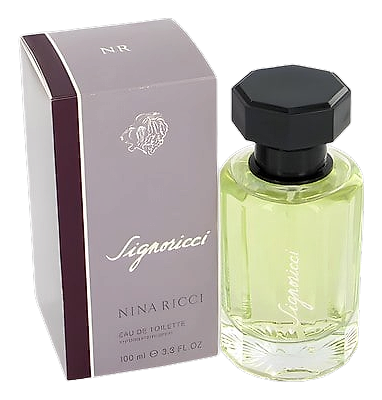
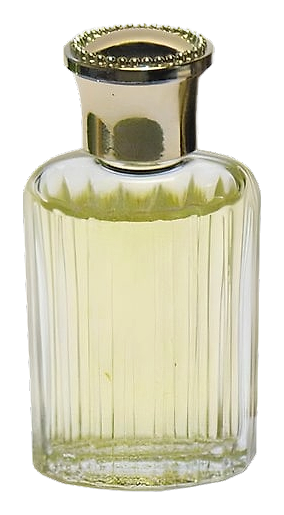
Signoricci 2 arrived in 1975 as Nina Ricci's second men's fragrance, created by perfumer Raymond Chaillan. The house had built its reputation on romantic femininity, silk gowns, twin doves, L'Air du Temps in its iconic Lalique bottle, but Signoricci 2 was something different. A masculine counterpoint. Chiseled, not soft. Raymond Chaillan chose a classic fougère structure: aromatic top, floral heart, mossy base. The architecture of 1970s masculine perfumery. But he gave it lift, aldehydes pushing the citrus and green notes into something cleaner, more refined than the heavy orientals and animalics dominating men's fragrance at the time. This was confidence without noise.
The aldehydes are the telling detail. In classical perfumery, aldehydes lift florals into something delicate, think Chanel No. 5's famous metallic shimmer. Raymond Chaillan deployed them differently here: as a bridge between the sharp citrus opening and the powdery floral heart. The aldehydes don't disappear. They persist, adding a clean, almost soapy quality to the jasmine and mandarin that follows. It's what separates Signoricci 2 from every other citrus fougère of its era. That powdery lift. The carnation in the heart adds warmth, a subtle spiced quality that keeps the florals from going too soft.
The evolution
The opening announces itself immediately: lemon and lime cutting clean through basil and petitgrain. Sharp. Green. The aldehydes amplify everything, giving the citrus an almost sparkling quality. This bright, crisp opening holds for roughly 30 minutes before the heart begins to emerge. Jasmine and mandarin orange arrive gently, not a dramatic shift but a softening. The aldehydes don't vanish; they lift the florals into something powdery, almost talc-like. The carnation adds warmth beneath, a subtle spiced quality that keeps the heart from floating away entirely. This middle phase lasts another two to three hours. Around hour three, the base notes begin to assert themselves. Oakmoss dominates, pulling the composition toward earth and moss. White musk adds intimacy, close to the skin, almost skin-like. Amber and tonka bean provide warmth without sweetness, smoothing the final phase into something quiet and refined. By hour four to five, the fragrance has settled into a soft, powdery moss that lingers close to the skin. Moderate sillage throughout. It never shouts.
Cultural impact
Signoricci 2 belongs to a specific moment in men's fragrance history, when the bold orientals and animalics of the 1960s were giving way to something cleaner and more refined. It found its audience among men who wanted sophistication without weight, polish without performance. The aldehydic citrus structure positioned it apart from the heavier masculine fragrances of its era. While never achieving the iconic status of L'Air du Temps, it developed a devoted following among those who appreciated its particular balance of brightness and refinement. The fragrance continues to attract enthusiasts who seek out its distinctive aldehydic lift, a quality that has never gone out of style, even if the fragrance itself did.
The House
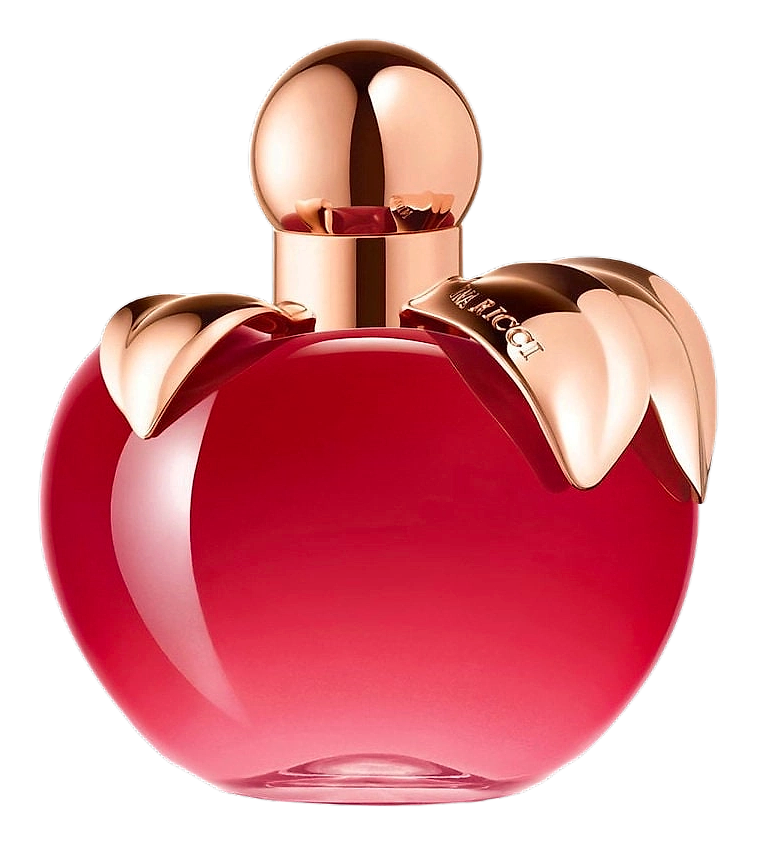
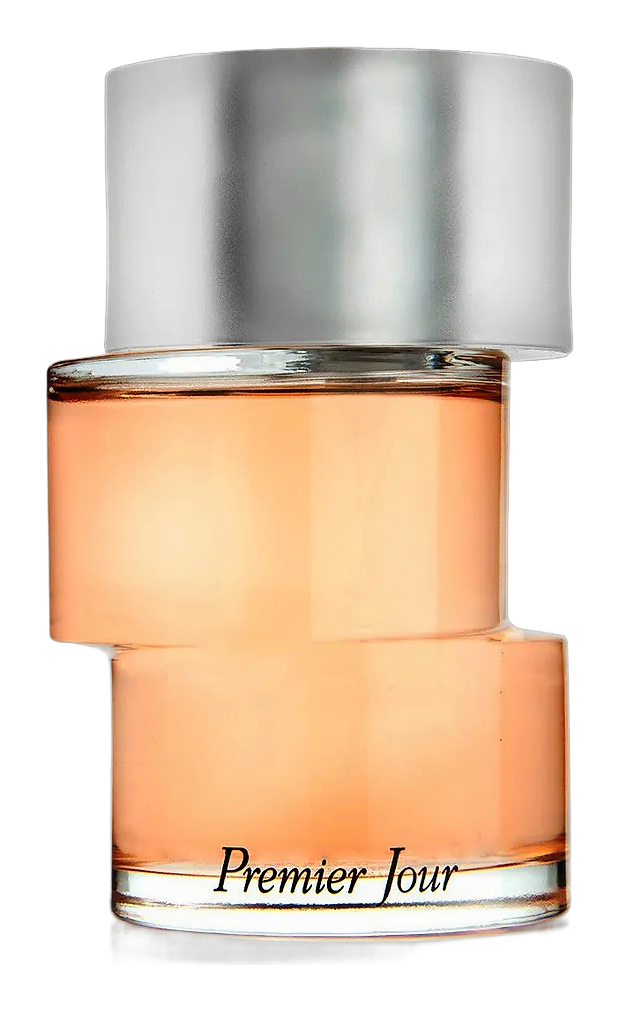
Nina RicciNina Ricci is a Parisian fashion house founded in 1932 by Italian-born designer Maria "Nina" Ricci and her son Robert Ricci. The house began as a couture salon on Rue Haussmann, quickly establishing a reputation for refined, feminine gowns with romantic sensibility. Robert established an in-house perfume division in 1941, though the first fragrance would not arrive until 1946. That inaugural scent, Coeur Joie, marked the beginning of a partnership with Lalique that would define the house's olfactory identity. The house introduced its most celebrated fragrance, L'Air du Temps, in 1948, a scent that remains in production decades later. Puig acquired Nina Ricci in 1998, bringing the house under the same ownership that manages Carolina Herrera and Jean Paul Gaultier. Today, the fragrance collection spans from timeless classics to contemporary offerings like the Nina line, maintaining the house's commitment to feminine elegance.
The Creator
Raymond ChaillanLavender runs through Chaillan's signature like a golden thread. He treats it not as a static material but as a living one, coaxing unexpected facets from fields he knew as a boy.