The Story
Why it exists.
The beginning
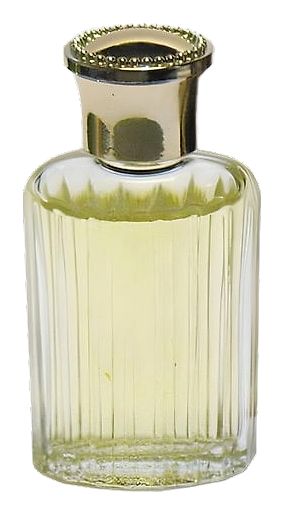
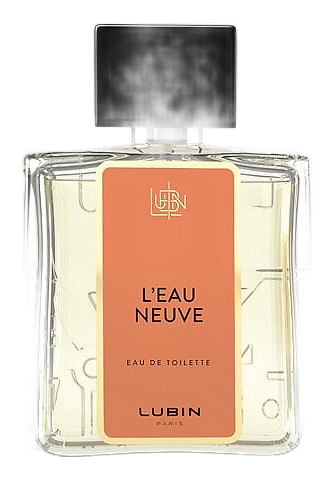
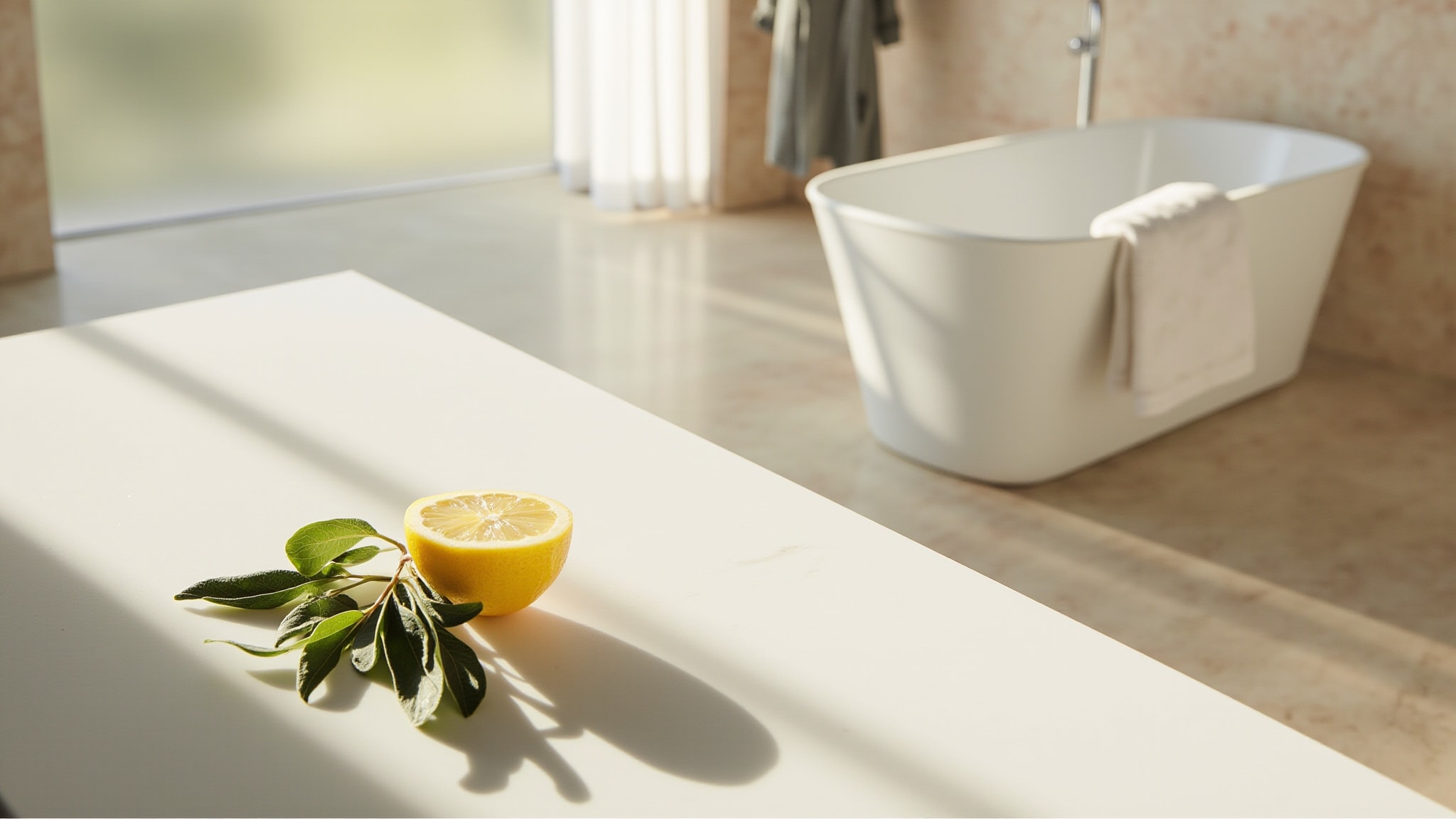
In the spring of 1968, France was in upheaval. A generation was rejecting everything their parents held dear, including ladies' perfumes. They wanted something new. Something real. Roger Broudoux at Lubin gave them exactly that. L'Eau Neuve, literally 'new water', arrived as part of Lubin's Les Evocations collection, a nod to the rediscovered natural ingredients of Mediterranean perfumery. The fragrance opens with a bright citrus orchestra: lemons, oranges, bergamot create an immediate burst of Mediterranean sunlight. The lemon note is sharp and direct, the orange adds sweetness, and the bergamot brings a subtle floral undertone that keeps the citrus from feeling one-dimensional. The top notes feel clean and effervescent, like morning light hitting a citrus grove.
What makes L'Eau Neuve interesting isn't any single note, it's the conversation between them. The citrus opening is classic cologne territory. But then the clary sage arrives, and something shifts. Sage isn't typically used as a heart note; it's often a top accord, brief and medicinal. Here, Broudoux gave it room to breathe, pairing it with marjoram and thyme to create a green, herbal heart that most fresh fragrances skip entirely. The base is where Lubin's heritage shows. Cedar, sandalwood, patchouli, oakmoss, this is the chypre structure wearing a summer dress. Oakmoss used to be the backbone of perfumery, giving fragrances their characteristic mossy depth.
The evolution
The opening hits bright and immediate, lemon, orange, bergamot, a burst of Mediterranean sunlight. The lavender rides underneath, keeping the citrus from going sharp. Within twenty minutes, the hand-off begins. The citrus fades, and the clary sage rises. This is the fragrance's quiet signature, that green, herbal heart that arrives just when you expect the top notes to fade entirely. The drydown takes another hour to fully arrive. Cedar and sandalwood emerge slowly, wrapping around the remaining sage and thyme. Oakmoss lingers at the edges, adding that characteristic mossy depth without ever tipping into masculine territory. Patchouli keeps the base grounded, lending its characteristic earthiness to anchor the brighter notes above. The transition from heart to base is gradual and seamless.
Cultural impact
L'Eau Neuve arrived during a cultural reset. In 1968 France, young people were rejecting bourgeois conventions wholesale, including the perfumery that came with them. The 'Eaux Fraîches' movement responded with something new, offering an alternative to traditional fragrance conventions. L'Eau Neuve was part of that conversation, a fragrance that embodied the era's desire for authenticity and naturalness. The scent captured something essential about its moment in time.