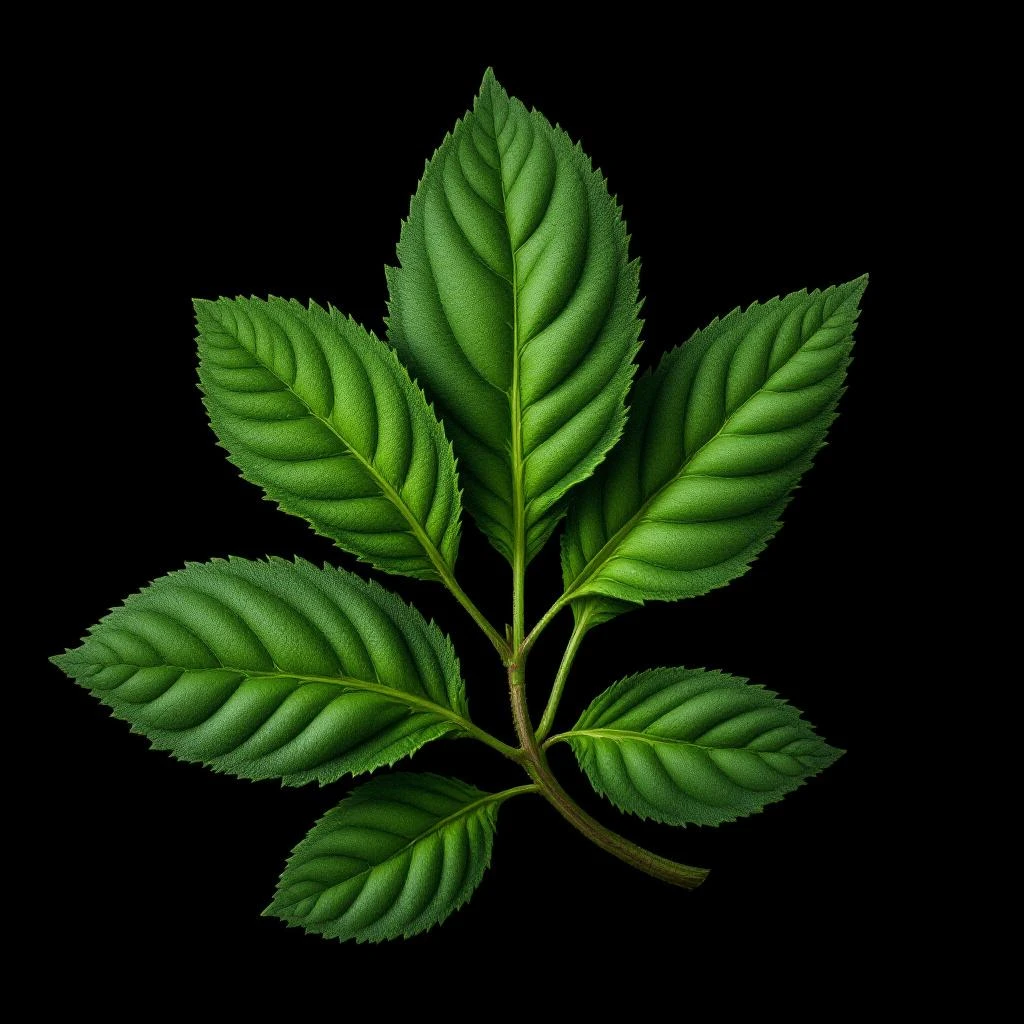
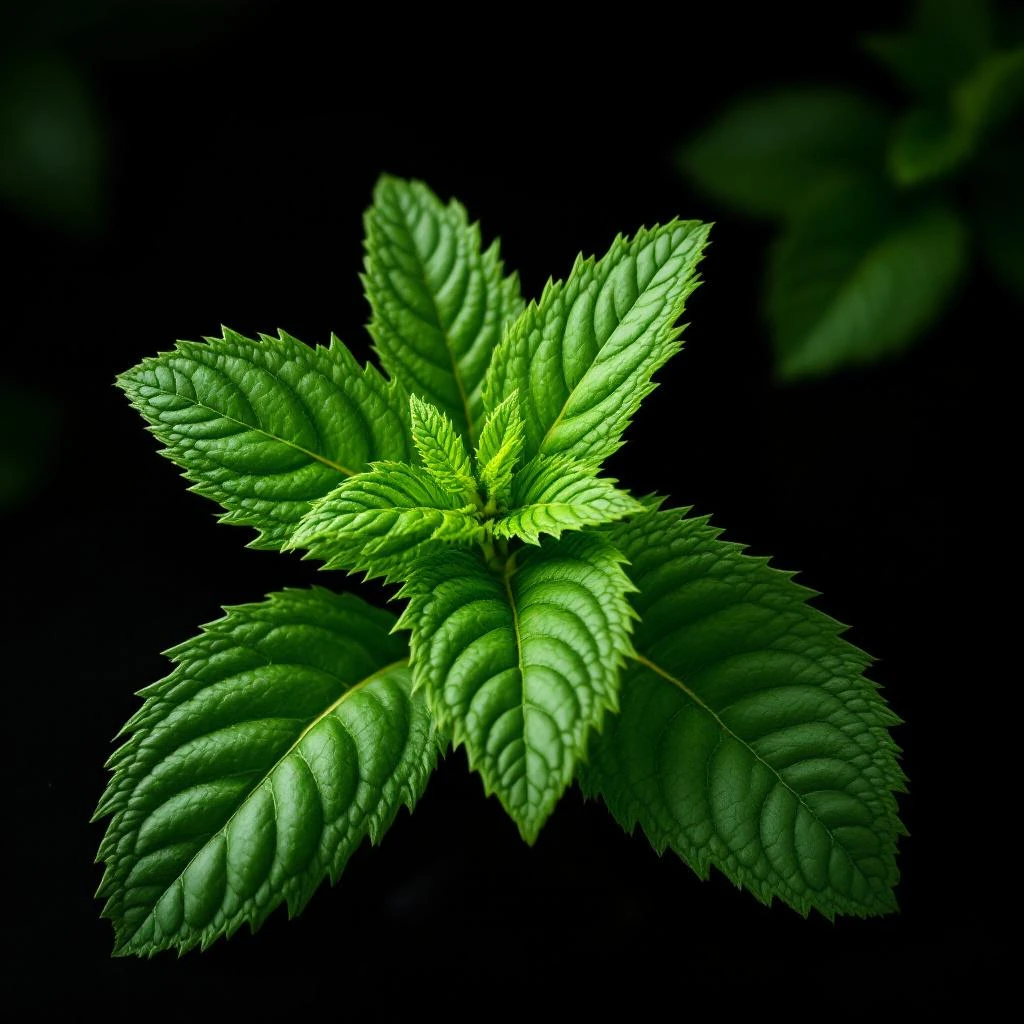
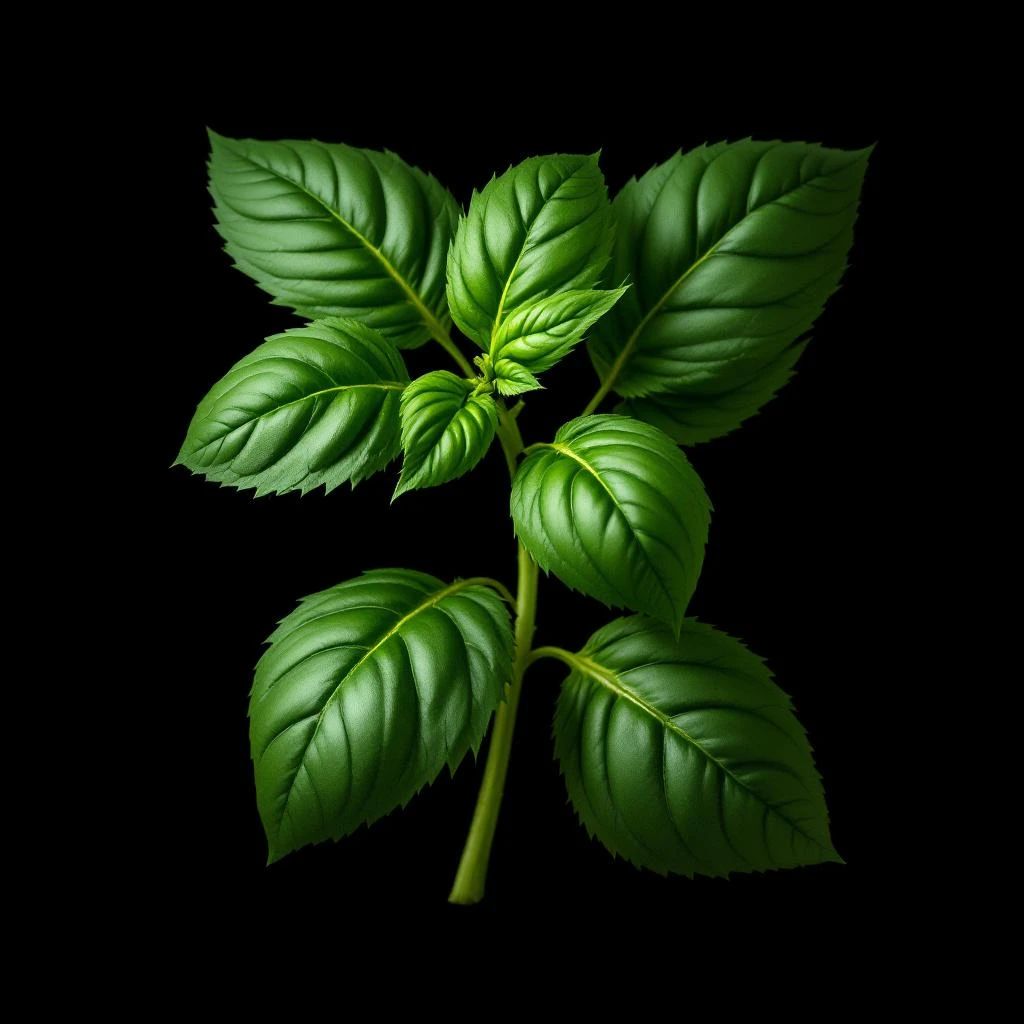
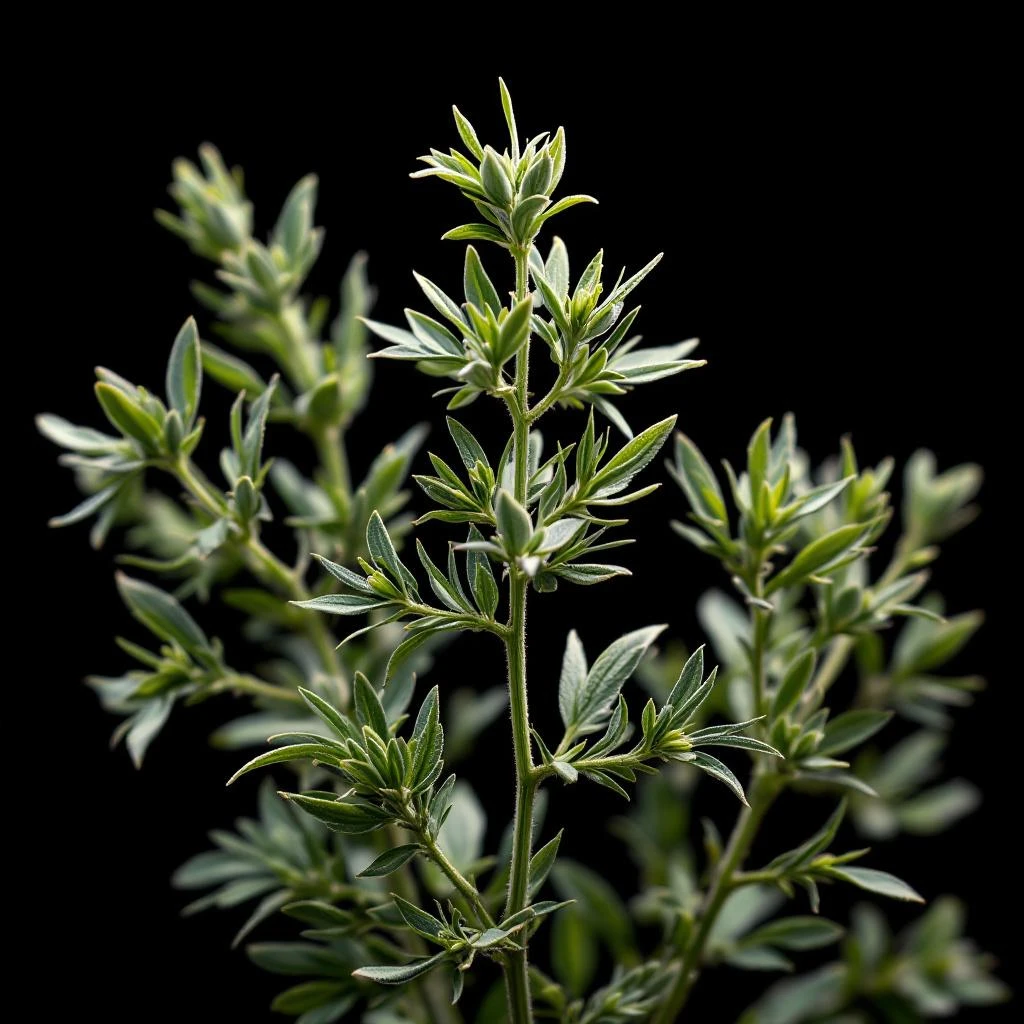
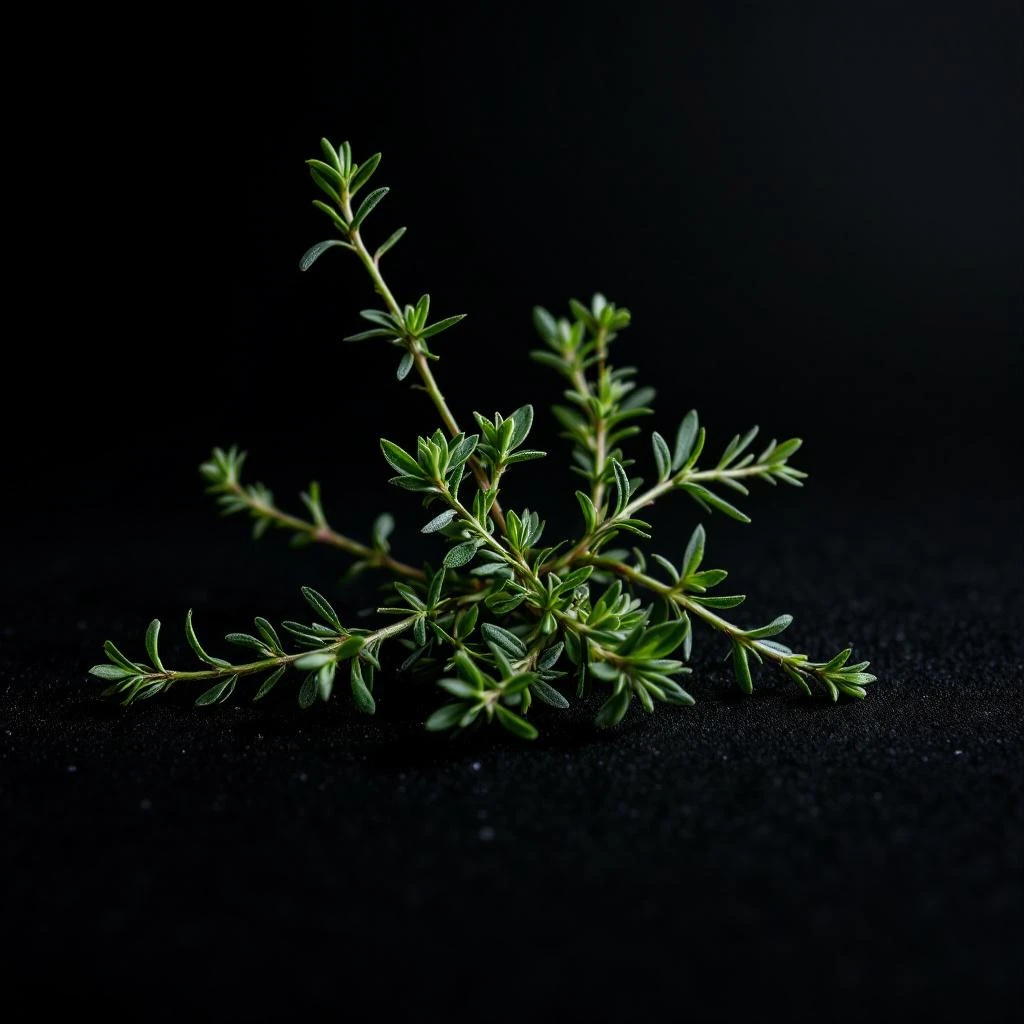
Marjoram
Marjoram delivers a warm, herbaceous sweetness to perfumery, blending camphoraceous top notes with soft, woody undertones that evoke sun-drenched Mediterranean hillsides and ancient gardens.
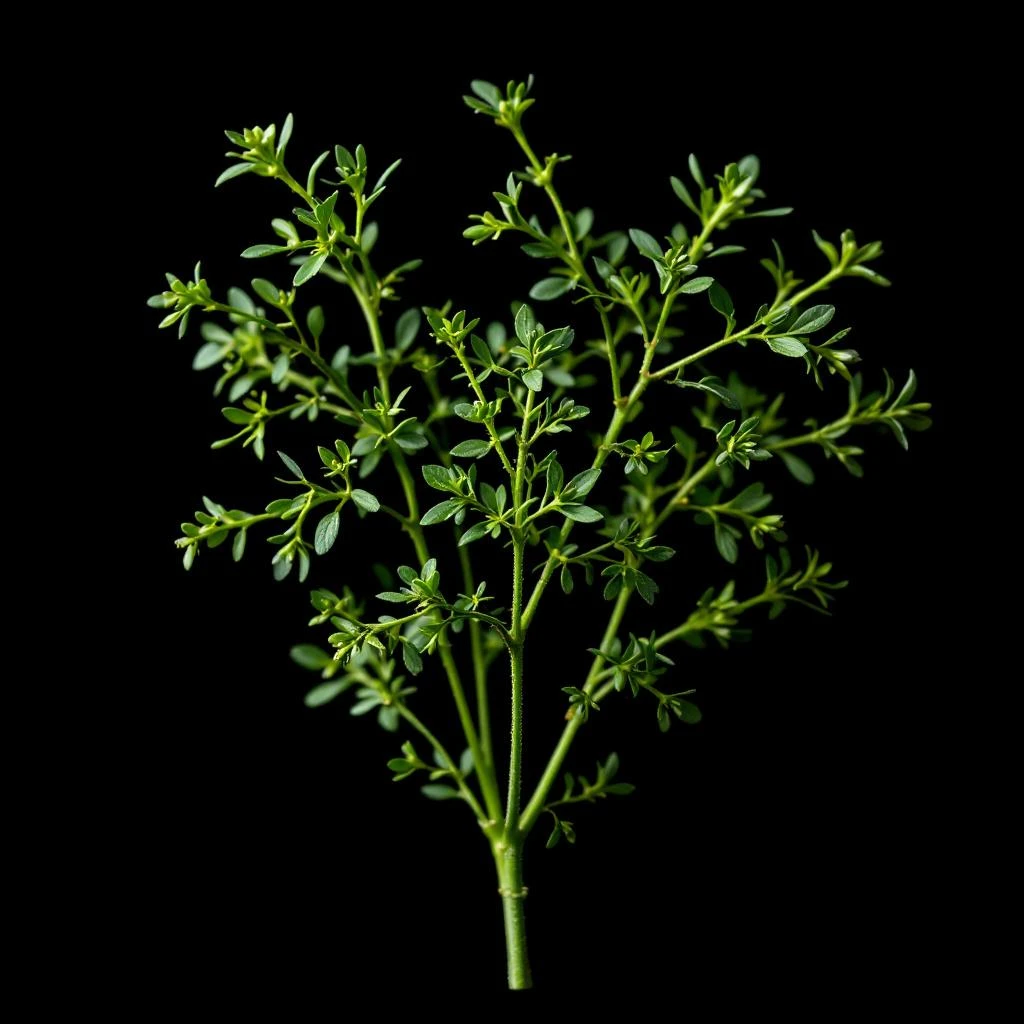
Character
How it smells
The Mediterranean herb that warmed ancient rituals and modern fragrances.
Ancient Greeks wove marjoram into wedding crowns, believing it blessed couples with happiness and protection from misfortune.








Origin
Turkey
Marjoram has accompanied human civilization since antiquity, growing wild across the rocky slopes of Western Asia and North Africa before spreading into Mediterranean cultivation. Ancient Egyptians used marjoram in religious rites and embalming practices, while Greek physicians like Dioscorides documented its medicinal applications in the first century. The Romans adopted marjoram extensively, burning it as incense and weaving it into funeral wreaths to ensure peaceful passage to the afterlife.
This herb held particular significance at weddings, where it symbolized joy, protection, and domestic happiness. Medieval European monasteries maintained marjoram gardens for both culinary and medicinal purposes. Its transition into perfumery accelerated during the 19th century as extraction methods improved, allowing perfumers to capture its warm, complex aroma for masculine and herbal fragrance families.
Today, marjoram remains a valued but relatively rare ingredient, appearing in sophisticated compositions where its warmth adds depth and botanical authenticity.
Wears it best
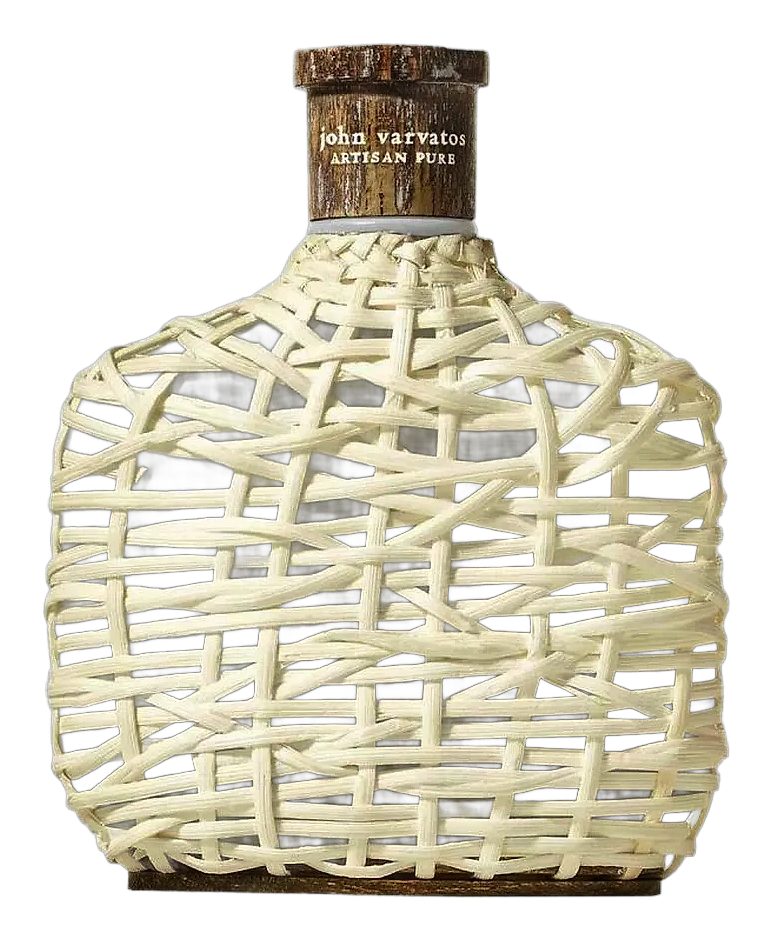
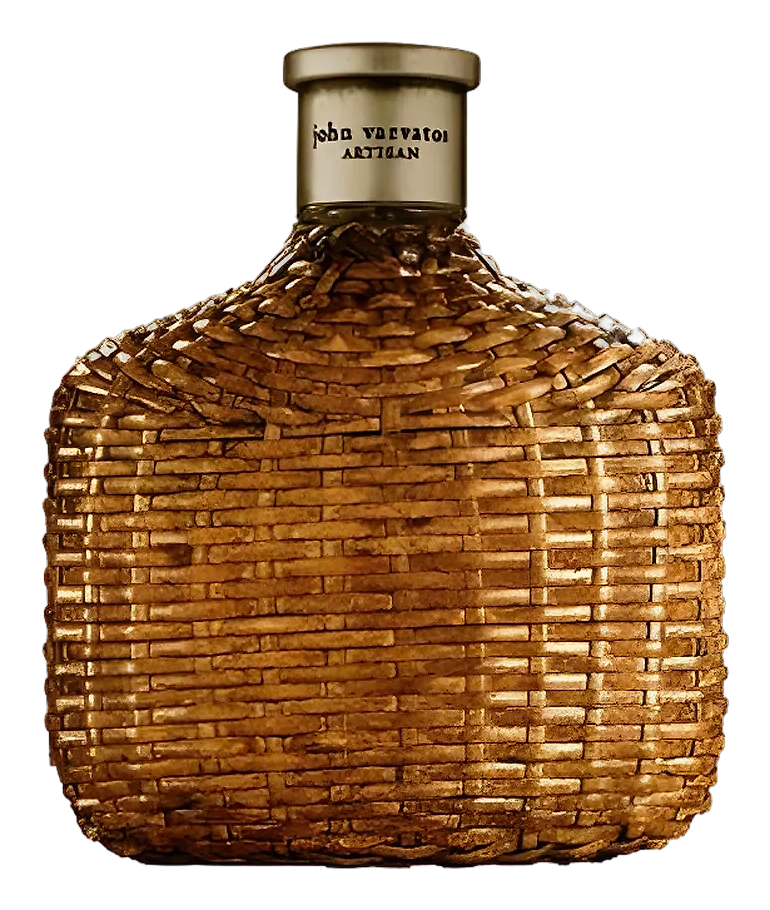
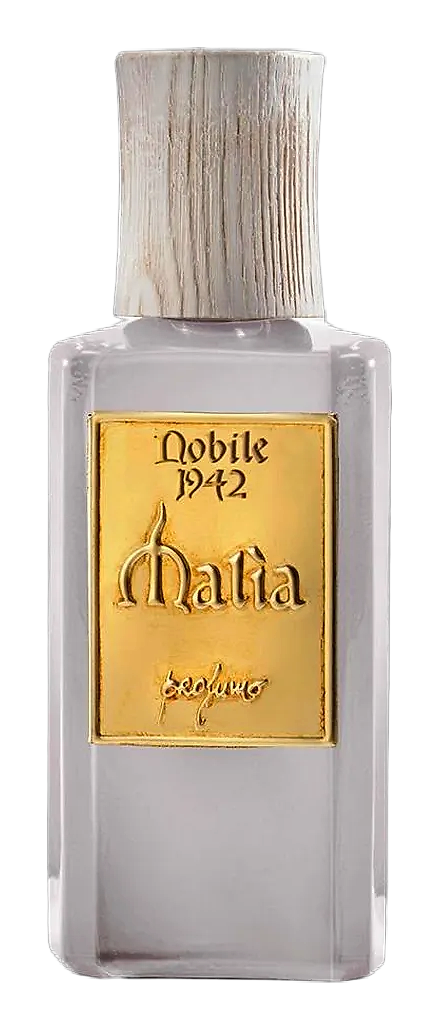
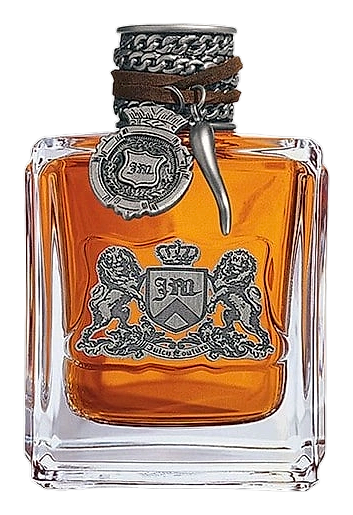
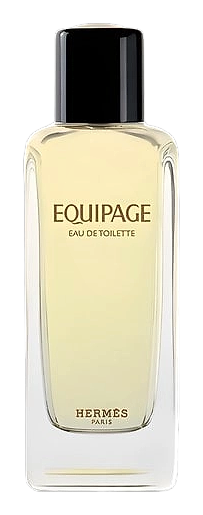
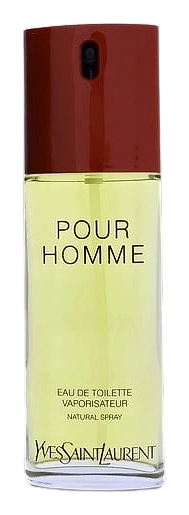
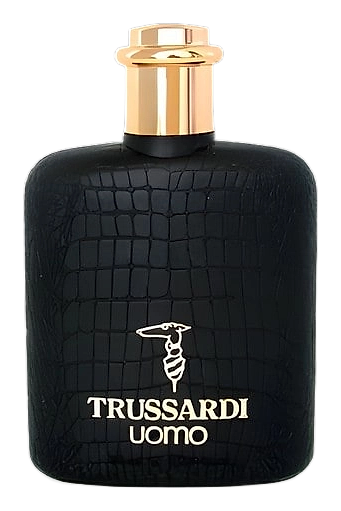
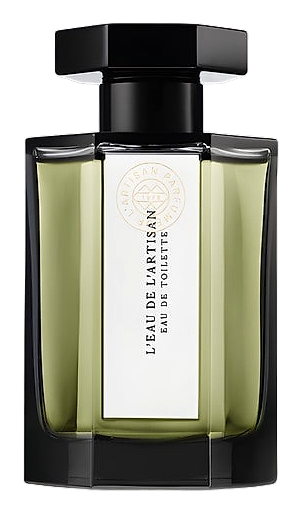
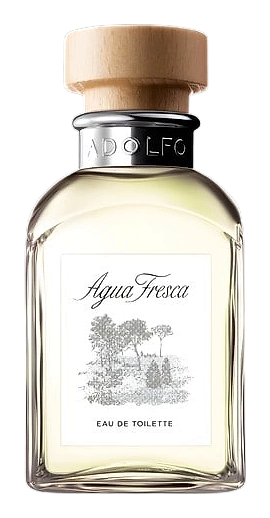
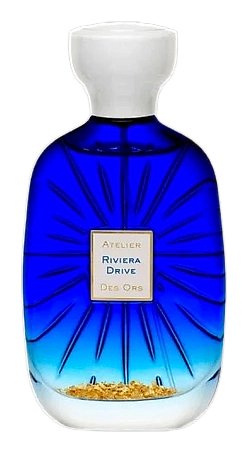
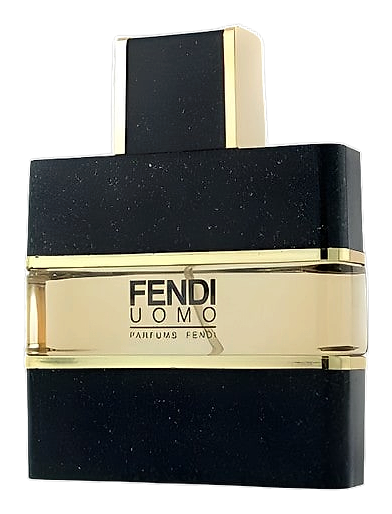
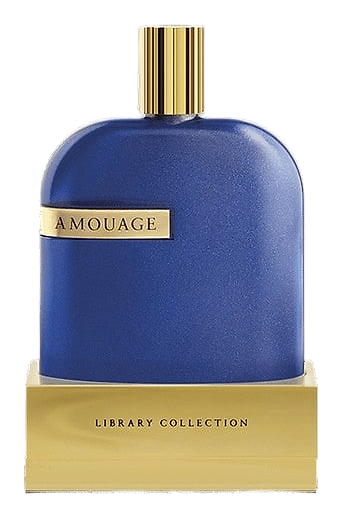
Fragrances featuring Marjoram
Brands
Brands known for Marjoram
Good to know
Questions, answered
The essentials on Marjoram in perfumery: how it smells, where it comes from, and how it behaves on skin.
How is marjoram essential oil extracted for perfumery?
Steam distillation extracts the oil from fresh flowering marjoram plants. This method preserves delicate top-note aromatics while capturing the full spectrum of the herb's warm, camphoraceous character.
What does marjoram smell like in a fragrance?
Marjoram presents warm, herbaceous notes with a distinct camphor character balanced by sweet, woody undertones. It reads as softer and sweeter than its cousin oregano, with a calming herbal quality.
What types of fragrances feature marjoram?
Marjoram appears primarily in masculine and unisex fragrances, particularly those in the aromatic fougere and herbal chypre families. It also supports natural and botanical-style women's perfumes.
Is marjoram related to oregano in perfumery?
Marjoram and oregano share botanical ancestry and similar aromatic profiles, but marjoram offers a gentler, sweeter character. Oregano tends toward sharper, more medicinal notes in fragrance applications.
Where does commercial marjoram oil originate?
Turkey leads global production, though Egypt and Morocco also cultivate significant quantities. The eastern Mediterranean climate produces marjoram with consistently high aromatic compound concentrations.
How much marjoram oil do perfumers typically use?
Marjoram functions as a supporting note rather than a dominant element. Perfumers typically employ it at low concentrations between 0.5 and 3 percent, using its warmth to reinforce herbal and fougere accords.
What companions marjoram in fragrance blends?
Marjoram pairs naturally with lavender, rosemary, clary sage, and thyme in aromatic compositions. It also harmonizes with citrus oils and woody base notes like cedar and sandalwood.
Why has marjoram remained relevant in modern perfumery?
Marjoram provides authentic botanical warmth that synthetic substitutes rarely achieve. Its ability to reinforce herbal character without overwhelming other notes makes it valuable for complex, natural-smelling fragrances.