The Story
Why it exists.
The beginning
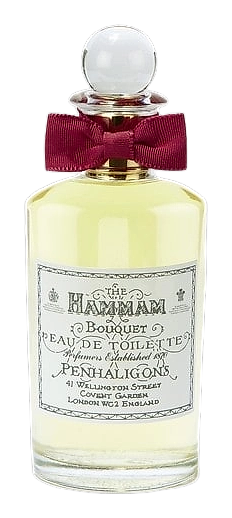
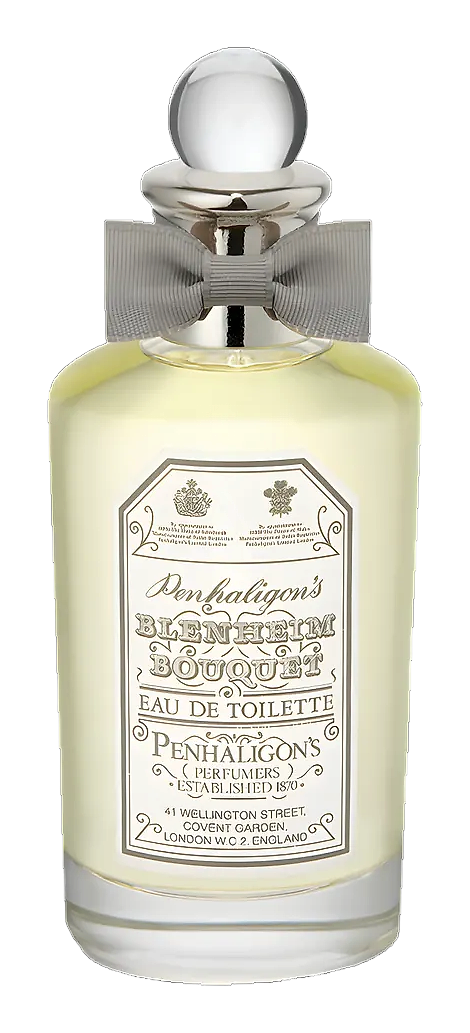
Blenheim Bouquet takes its name from Blenheim Palace, the baroque creation that serves as the ancestral seat of the Dukes of Marlborough. Designed personally for the Duke in 1902 by Walter Penhaligon, the house's founder and perfumer, it was never intended as a commercial release. It was a private commission, a scent made for one man, in one place, at one moment in time. The fragrance arrived at a house already known for Hammam Bouquet, but Blenheim Bouquet proposed something different. Where Hammam leaned into Ottoman florals, this was all sharp air and evergreen depth. Pine, citrus, and black pepper in a composition that smelled like the palace grounds on a cold morning. Penhaligon built it as a statement of discretion, a fragrance that honored its namesake without imitating it. The name came first. The scent had to earn it.
What makes Blenheim Bouquet structurally unusual is the absence of a traditional heart note. The composition moves directly from citrus and spice into the base, no floral intermediary, no warm transition. The result is a fragrance that opens bright and decisive, then folds quickly into something quieter and more grounded. The pine and musk don't arrive as a transition. They arrive as the point. This directness is the fragrance's defining quality. It's not a flaw or an oversight. It's a choice that reflects the Edwardian preference for restraint, for letting the base do the work while the top simply announces itself and steps back.
The evolution
The opening hits sharp. Amalfi lemon, lime, and black pepper, a bracing mix that announces itself without apology. This phase lasts about fifteen minutes before the citrus recedes and the pine takes over. The heart phase is where Blenheim Bouquet becomes itself. Lavender's coolness and pine's evergreen depth create an aromatic warmth that feels rooted in tradition. This phase holds for a couple of hours before the drydown arrives. The drydown strips everything back to pine and musk, clean, close, intimate. No floral sweetness, no spice lingering. Just the base, doing its work for another 2-3 hours depending on skin chemistry. Total lifespan: 4-6 hours on most skin types. Sillage stays moderate throughout. The fragrance was designed not to fill a room, it rewards anyone who gets close enough to notice.
Cultural impact
Blenheim Bouquet arrived in 1902 as a private commission for the Duke of Marlborough, one of the most powerful aristocratic figures in Edwardian Britain. The fragrance was said to be designed personally by Walter Penhaligon, the house founder, making it among the earliest documented bespoke commissions in modern perfumery. Unlike commercial releases, this scent carried the weight of its patron's reputation, requiring a composition that communicated quiet authority rather than obvious charm. The fragrance's unusual structure, omitting a traditional heart note entirely, was considered radical for its era.