Walter Penhaligon
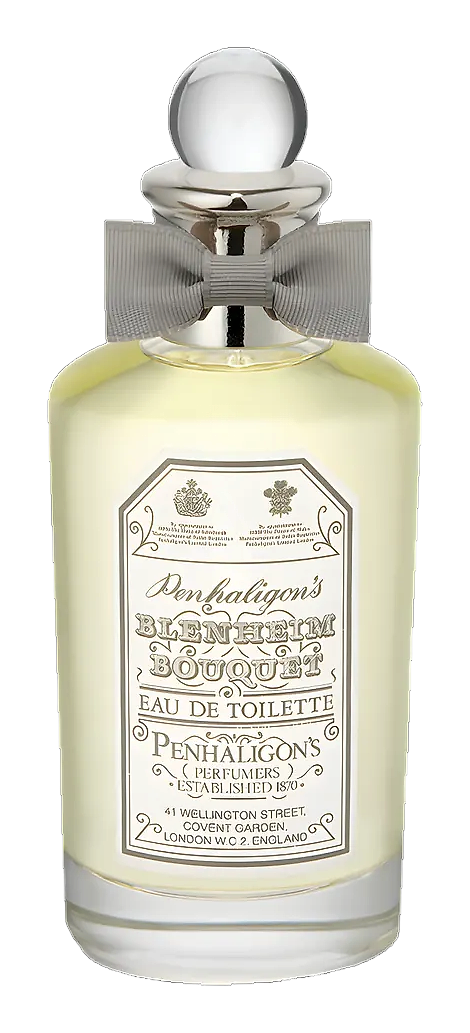
Walter Penhaligon inherited more than a business from his father, William Henry Penhaligon. He inherited a vision. When Walter took the reins of the family perfumery in the early 20th century, he elevated a Victorian barbershop into something far more ambitious. His defining moment arrived in 1902, when the 9th Duke of Marlborough, Charles Spencer Churchill, commissioned Walter to create a signature fragrance. The result, Blenheim Bouquet, became a cornerstone of British perfumery and established Walter as a creator of aristocratic distinction. Where his father had catered to London's most discerning gentry, Walter positioned the brand firmly within the upper echelons of British society. He understood that fragrance for this clientele was never merely cosmetic. It was communication, identity, and legacy bottled. Walter's formulations carried the restraint and confidence of the Edwardian era, and his house became synonymous with understated excellence that endures well beyond his tenure.
The hits
Notable creations

The signature
How Walter composes
Walter's signature lay in his masterful handling of citrus and herbaceous accords. Blenheim Bouquet demonstrated his ability to create something simultaneously fresh and substantial, a rare feat that required precise calibration of ingredients. He favored natural materials and believed in the transformative power of high-quality raw materials. His compositions carried a quiet confidence rather than loud projection, earning devotion from those who valued subtlety over spectacle.
Philosophy
What drives Walter
Walter believed perfume should speak before its wearer entered the room. He approached each commission as a collaboration between client and creator, translating personality into scent rather than simply mixing pleasant notes. His work reflected a deep respect for tradition balanced with genuine innovation, never sacrificing craftsmanship for trend. Walter viewed fragrance as an intimate art form reserved for those who understood its power.
The houses
Maisons Walter composes for
In the same league