The Story
Why it exists.
The beginning
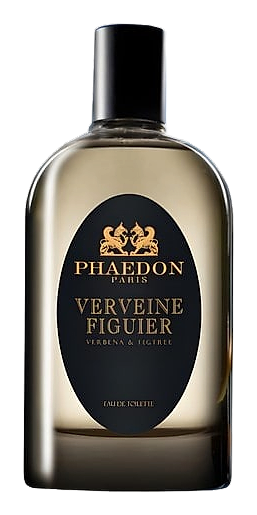
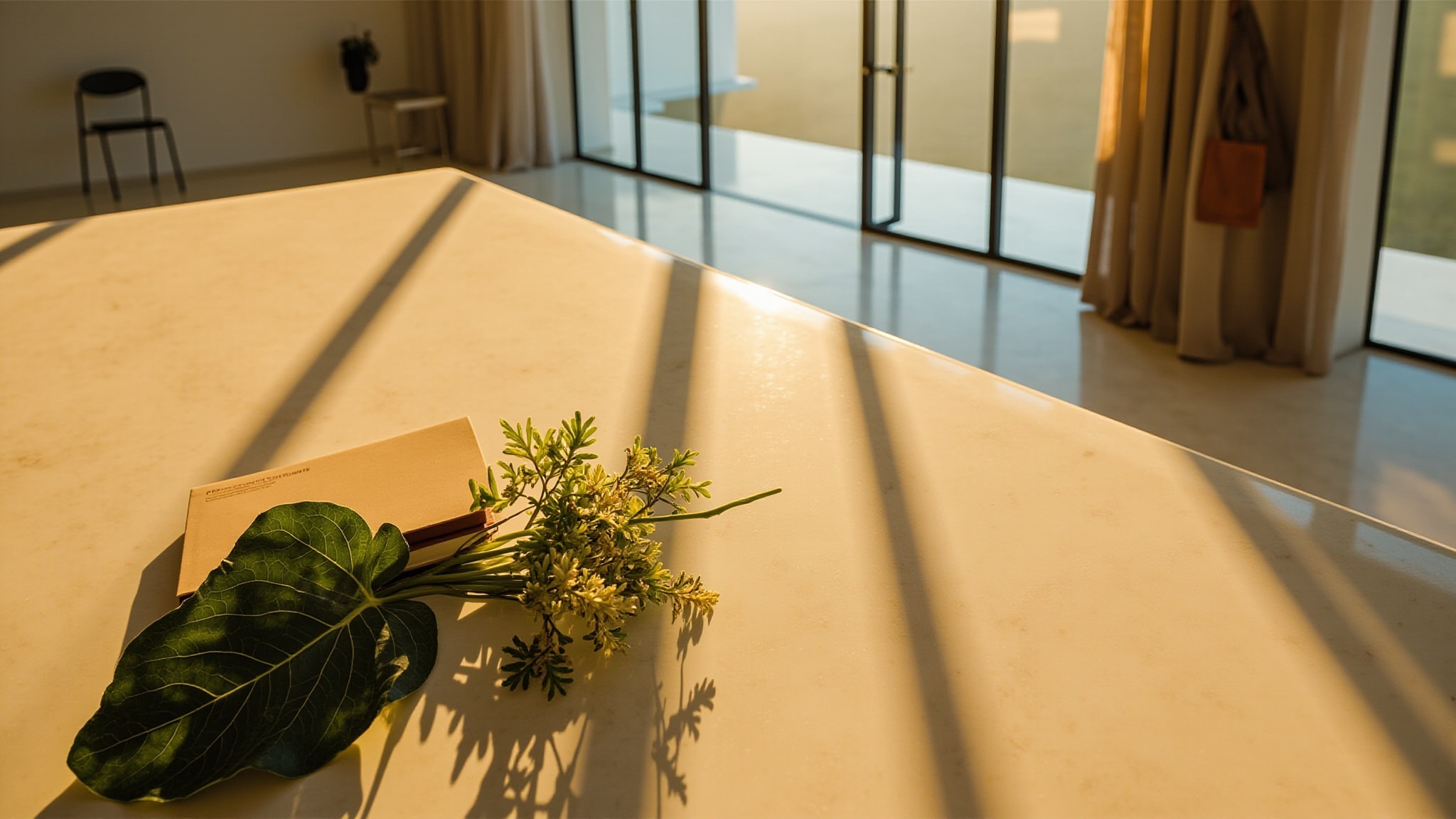
Pierre Guillaume built Phaedon on the premise that a place has a smell, and that smell can be bottled. Verveine Figuier is his take on a specific Mediterranean moment: the fig tree in afternoon heat, verbena cut fresh from the stem. The name says everything. Verveine is French for verbena, the bright citrusy herb that grows wild across southern France and the Mediterranean. Figuier is fig, the fruit and the leaf. Together, they form a pairing that captures the cool-green, sun-warmed duality of the Mediterranean garden, the part in the shade, the part in the light. Launched in 2012 as part of Phaedon's early catalogue, this fragrance arrived before the house had fully articulated its Mediterranean scholarship philosophy, but the instinct was already there. Guillaume was translating a landscape, not just assembling notes.
What makes the pyramid interesting is the heart. Cedar is straightforward, dry, woody, architectural. Black licorice is not. The anise-tar quality of glycyrrhiza glabra adds a dark, almost smoky sweetness that most perfumers pair with tobacco or fougère accords. Here it meets cedar in a heart that reads simultaneously crisp and deep, as if the architecture of the tree and the shadow at its base were folded into one note. The base then refuses to let go. Oakmoss brings the forest floor, earthy, humid, slightly bitter. Benzoin pushes back with warm resin, a sweet-gummy counterpoint that turns the drydown lactonic rather than purely woody. On paper, this sounds like a contradiction.
The evolution
The opening announces itself quickly. Fig leaf and verbena arrive together, not the fruit's sweetness but the leaf's cool, ozonic green, backed by verbena's sharp citrus. It reads like a garden just watered, that moment when the heat and the moisture create something that smells specifically alive. This phase holds for thirty to forty-five minutes before the hand-off begins. The cedar takes over not by replacing the green but by grounding it. The heart phase introduces licorice as a quiet counterweight, its tar-and-anise character sits beneath the cedar's warmth, giving the middle registers a darkness that feels earned rather than added. This is the fragrance's most distinctive stretch: two to three hours where the green hasn't fully left but the woody depth has arrived, coexisting in a way that feels deliberate. The drydown is warm, close, and long-lasting. Oakmoss and benzoin build a creaminess that wraps around the skin rather than projecting outward. Four to six hours of intimate wear, with the benzoin's sweet resin lingering into the evening.
Cultural impact
Verveine Figuier emerged from a tradition of Mediterranean perfumery that values botanical authenticity and scholarly research. Phaedon, the house behind this scent, built its identity on the idea that fragrance can translate a sense of place into wearable form. The use of fig leaf and verbena reflects a cultural appreciation for green, aromatic notes that evoke Mediterranean landscapes. The 2012 launch positioned the scent within a wave of niche fragrances that prioritized botanical accuracy and cultural specificity over mass-market appeal. This approach drew from perfumery's historical roots while appealing to a modern audience seeking distinctive, research-driven compositions. The fragrance represents a moment when niche perfumery began to treat scent as an intellectual pursuit, connecting wearers to place, history, and the natural world.