The Heritage
The Story of Phaedon
Phaedon is a Paris‑based niche perfume house that translates the scents of ancient Mediterranean cultures into contemporary fragrances. Founded in 2011, the brand quickly built a catalogue that mixes bright citrus, warm spices and resinous woods, offering collectors a concise yet diverse library. Each launch reflects a specific place or historic moment, inviting wearers to travel through scent without leaving their room.
Heritage
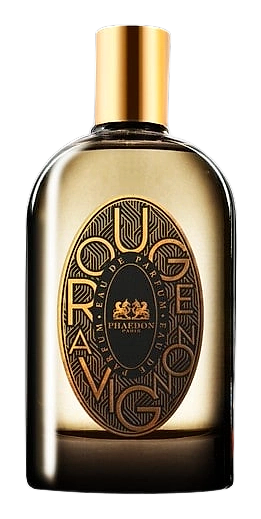
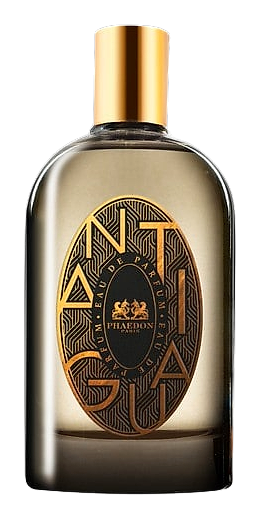
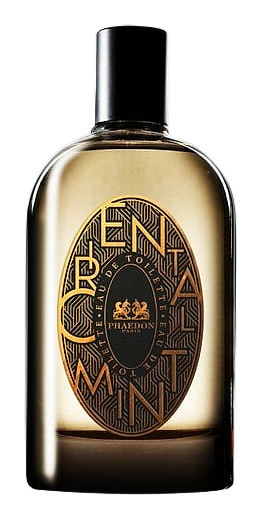
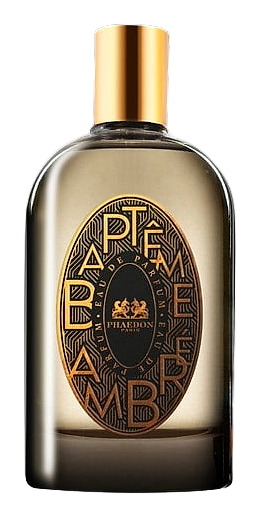
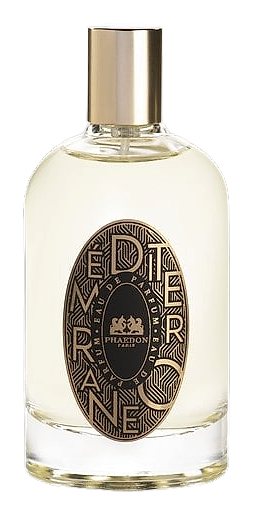
The story of Phaedon begins in the mid‑2000s when two Parisian aesthetes, both avid travelers, imagined a perfume line rooted in the myths and aromas of the Mediterranean. Their vision materialised in 2011 when Pierre Guillaume officially registered the house under the name Phaedon, a nod to the Greek philosopher who explored ideas of the soul. The inaugural releases arrived in 2011 with Oliban, a tribute to the ancient olive groves of Greece, and Oriental Mint, a fresh take on traditional mint accords used in Middle Eastern rituals. 2013 proved pivotal, as the house introduced a quartet of scents—Tabac Rouge, Rouge Avignon, Lentisque, and Antigua—each anchored in a distinct locale, from the smoky markets of Marseille to the citrus‑laden hills of Avignon. Over the next decade, Phaedon maintained a steady rhythm of releases, adding Bapteme Ambre in 2019, a warm amber composition inspired by Byzantine ceremonies, and Mediterraneo in 2021, a breezy marine blend that captures the scent of the Adriatic sea. The most recent addition, Phaesus (2025), revisits the ancient Greek concept of rebirth through a layered floral‑spice structure. Throughout its evolution, Phaedon has remained independent, avoiding large‑scale distribution in favor of curated partnerships with boutique retailers across Europe and Asia. The house’s modest size allows it to preserve a hands‑on approach, ensuring each bottle reflects the original creative intent.
Craftsmanship
Every Phaedon fragrance is assembled in a small workshop in the 9th arrondissement of Paris, where a team of senior perfumers and lab technicians follow a strict quality protocol. Raw materials arrive from vetted farms and cooperatives across the Mediterranean basin; for example, the bergamot used in Tabac Rouge is sourced from Calabria, while the cedarwood in Lentisque comes from the Atlas Mountains of Morocco. Upon receipt, each batch undergoes organoleptic testing to confirm purity and aroma profile before entering the blending stage. The house favors natural extracts and absolutes, supplementing them with high‑grade synthetics only when they enhance stability or fidelity to the historical reference. Once a formula is approved, the perfume is macerated in glass vessels for a period ranging from three weeks to six months, depending on the composition’s complexity. This maturation allows the notes to integrate fully, reducing harsh edges. After maceration, the liquid is filtered through stainless‑steel membranes and transferred into hand‑blown glass bottles that are sealed with corks sourced from sustainable cork oak forests in Portugal. Each bottle receives a hand‑applied label, and a batch number is printed on the back to guarantee traceability. Quality control inspectors perform a final olfactory assessment before the product is boxed for shipment, ensuring that every bottle meets the house’s exacting standards.
Design Language
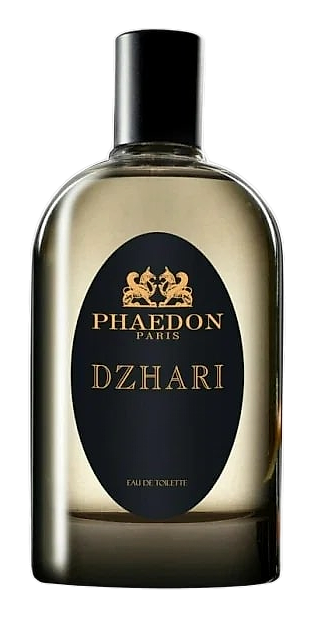
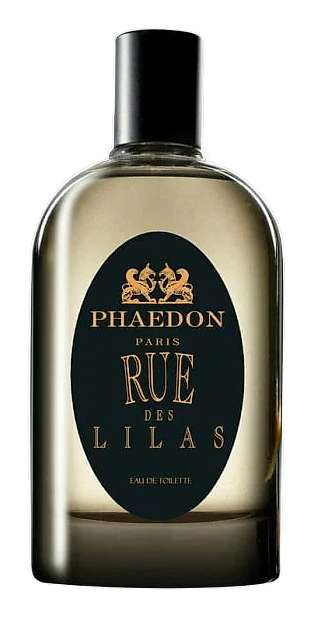
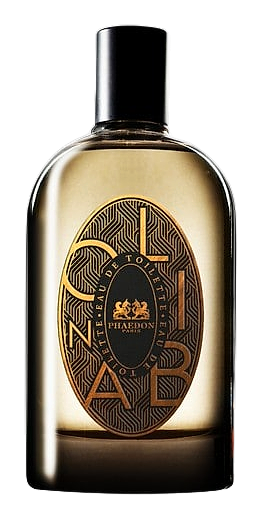
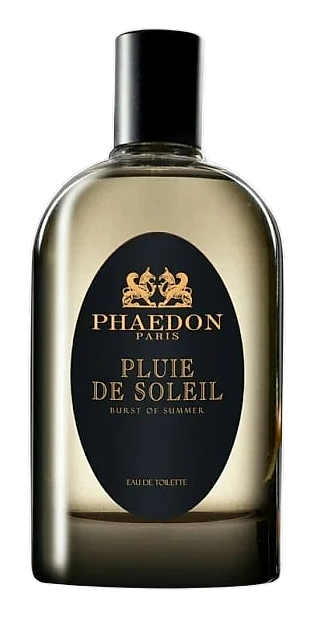
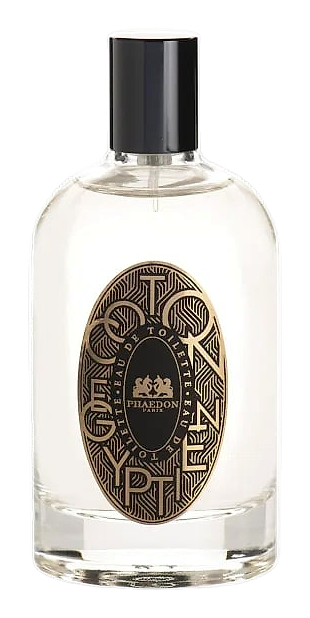
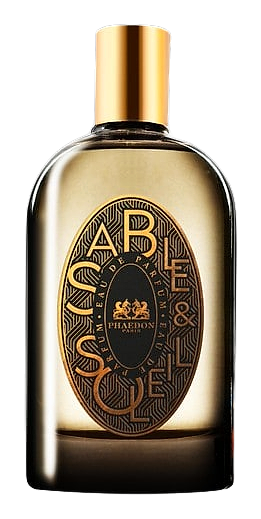
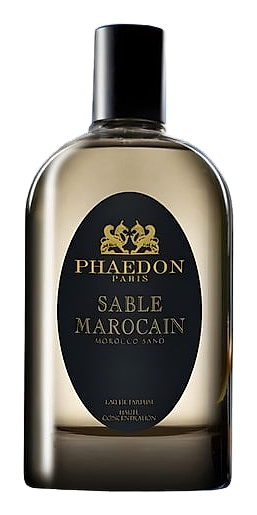
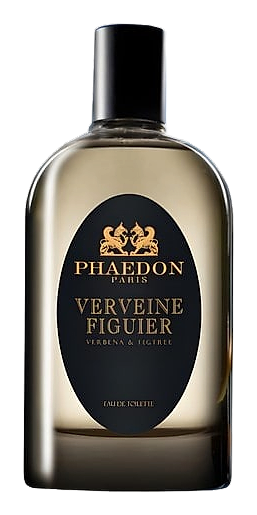
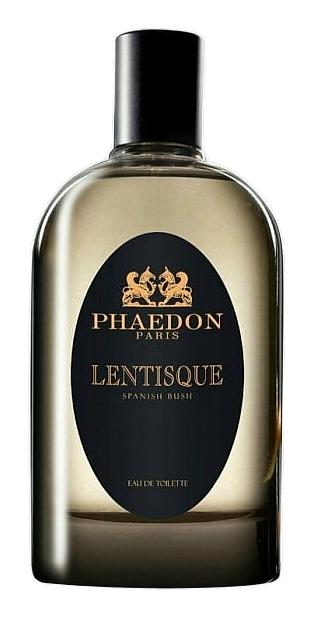
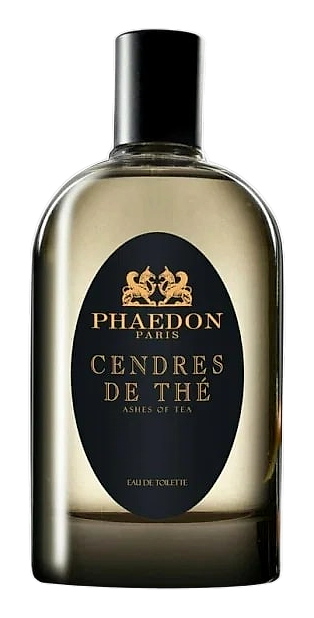
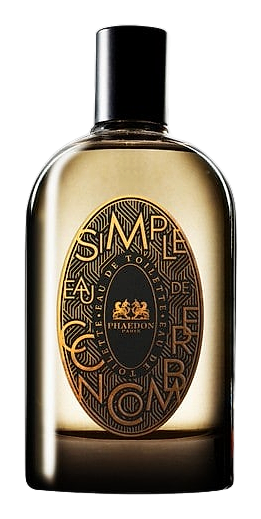
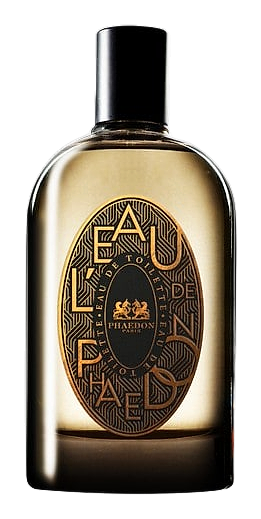
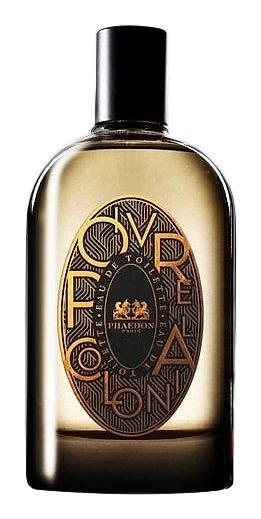
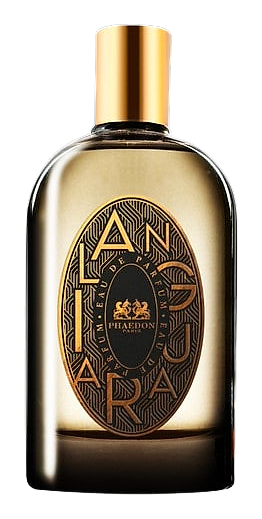
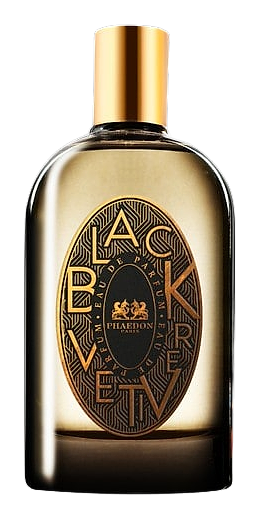
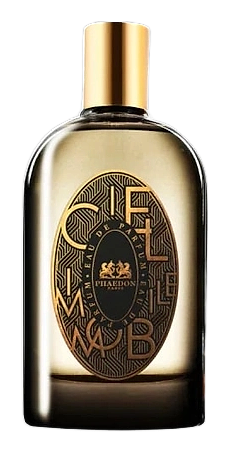
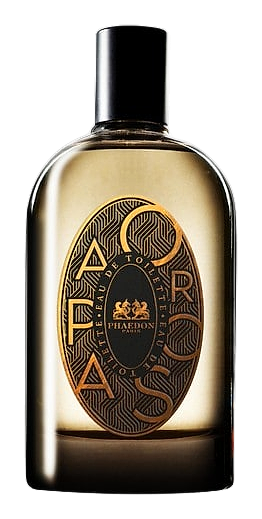
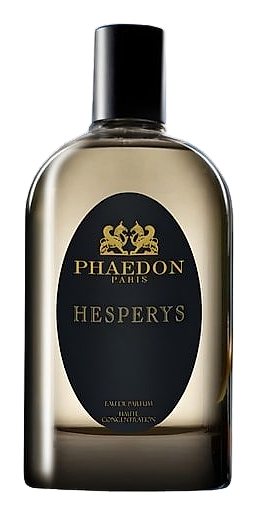
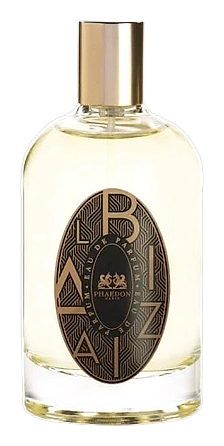
Phaedon’s visual language mirrors its olfactory focus on antiquity and travel. The brand’s logo features a stylised Greek column, rendered in matte black against a cream background, evoking the marble façades of ancient temples. Bottles are minimalist, with clean lines and a soft amber tint that hints at the warm, sun‑kissed regions that inspire the scents. Caps are crafted from brushed brass, a material chosen for its patina that deepens with handling, reinforcing the notion of a lived‑in object. Labels employ a serif typeface reminiscent of 19th‑century travel journals, printed on recycled paper with a subtle texture. The overall packaging is designed to sit elegantly on a vanity shelf, inviting contemplation rather than loud display. In retail settings, Phaedon often presents its fragrances on reclaimed wood trays, accompanied by small cards that outline the historical narrative behind each scent, reinforcing the brand’s storytelling ethos.
Philosophy
Phaedon approaches perfumery as a dialogue between past and present. The brand’s creative brief asks perfumers to research a historic moment, a geographic region, or a cultural practice, then translate that narrative into scent. This research‑first mindset respects the provenance of ingredients while encouraging modern interpretation. Sustainability is woven into the philosophy; the house prefers ingredients that can be harvested without harming ecosystems, such as wild‑grown rosemary from the French Riviera or ethically sourced ambergris alternatives. Transparency matters to Phaedon, which publishes the full ingredient list on its website and invites customers to learn about the botanical origins of each note. The brand also values restraint: rather than flooding the market with dozens of releases each year, it curates a limited portfolio that can be explored in depth. This measured pace reflects a belief that true luxury lies in quality, story, and the intimacy of a scent that feels personal rather than mass‑produced.
Key Milestones
2011
Phaedon officially founded in Paris by Pierre Guillaume; launch of Oliban and Oriental Mint.
2013
Release of four signature scents—Tabac Rouge, Rouge Avignon, Lentisque, and Antigua—expanding the brand’s geographic storytelling.
2019
Introduction of Bapteme Ambre, a warm amber fragrance inspired by Byzantine rituals.
2021
Mediterraneo debuts, capturing the breezy character of the Adriatic Sea.
2025
Phaesus launches, revisiting ancient Greek concepts of rebirth through a layered floral‑spice composition.
At a Glance
Brand profile snapshot
Origin
France
Founded
2011
Heritage
15
Years active
Collection
3
Fragrances released
Avg Rating
3.9
Community sentiment
Release Rhythm


