
The Story
Why it exists.
The beginning
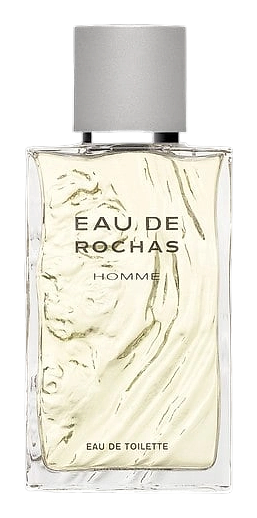
Nicolas Mamounas built Eau de Rochas Homme in 1993 as the masculine answer to Rochas's beloved feminine classic. The brief was clear: take the same hesperidia spirit and give it a different body. Mamounas started from that same citrus foundation but added aromatic herbs, green bitterness, and a woody base that gave the freshness somewhere to land. The result wasn't just a gender-flipped flanker. It was a statement about what men's citrus could look like when someone refused to make it throwaway.
The key to this composition isn't any single ingredient. It's the tension between the aldehydes and the herbs. The aldehydes give it that effervescent, almost champagne-like opening, a trick borrowed from classic French perfumery. The basil and artemisia keep it grounded, prevent it from floating away entirely. Then the wild rose and carnation in the heart add a softness that surprises. The oakmoss-vetiver base ensures the whole thing doesn't disappear into the air the moment you walk out the door.
The evolution
The opening hits immediately. Citrus oils, bergamot, lime, mandarin, with aldehydes creating that sparkling, almost effervescent quality. Basil and verbena add a green, slightly bitter edge that makes it feel sharper and more alive than a typical summer fragrance. Within the first hour, the citrus settles and the heart takes over. Coriander brings its spicy, slightly soapy character. Lily of the valley adds clean florals. Jasmine and violet soften things. Pine provides a green backbone. The drydown is where this fragrance earns its reputation. The citrus and florals fade and vetiver takes over, earthy, smoky, with oakmoss adding that classic chypre warmth. Cedar gives dry woody texture. Musk lingers close to the skin for hours. This is the part that makes people come back.
Cultural impact
Eau de Rochas Homme arrived in 1970 as part of a broader movement toward cleaner, more sophisticated masculine fragrances that defined the decade. Rochas, a Parisian fashion house founded in 1925 by Marcel Rochas, had already established itself in perfumery with successful womens fragrances before venturing into the male market. The fragrance arrived at a pivotal moment when masculine grooming culture was evolving rapidly, moving away from the heavy, often overpowering scents of the immediate post-war period toward something more refined and modern. Its bright citrus character with aromatic undertones captured the optimism and forward-thinking spirit of the era, appealing to a new generation of men who wanted to smell fresh and contemporary.