Nicolas Mamounas
Nicolas Mamounas spent nearly two decades as the house nose at Rochas, a tenure that proved transformative for the Parisian fragrance label. Joining the house in 1970, he carried the weight of an exceptional legacy while charting new creative territory. His seventeen-year tenure, spanning until 1987, coincided with a pivotal era in French perfumery. A photograph taken in his study by Kathleen Blumenfeld in April 1981 captures something essential about Mamounas: the quiet intensity of a craftsman at work. Macassar de Rochas, released on July 23, 1979, became the definitive expression of his time at the house. That singular creation cemented his reputation as one of the more consequential noses of the late twentieth century, a perfumer whose work left a permanent mark on the house's identity. His contributions extended well beyond a single signature scent, shaping the olfactory direction of Rochas through a period of remarkable creative ambition.
The hits
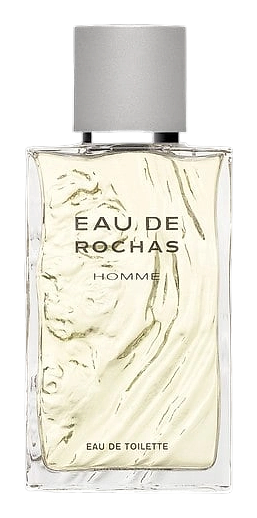
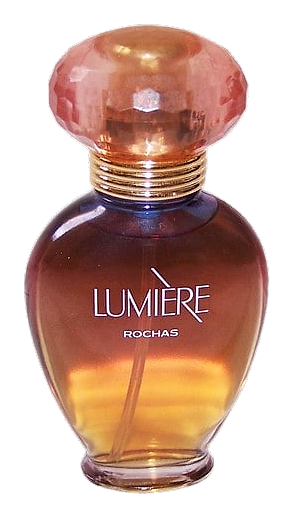
Notable creations




The signature
How Nicolas composes
Mamounas favored a rich, enveloping style with a strong orientation toward woody and ambery bases. His work at Rochas reveals a predilection for warm, sensual constructions that manage density without heaviness, a balance he achieved through careful modulation of heart and dry-down notes. He had a notable facility with complex orientals, building layered compositions where each stage of the fragrance reveals something new. His use of natural materials was deliberate rather than showy; he chose ingredients for their structural role within a formula rather than their individual prominence. The rounded, all-encompassing quality that critics identified in Macassar characterizes much of his output: scents that feel complete, offering no sharp edges but plenty of depth. His collaboration with Alberto Morillas on Rochas Byzance in 1987 demonstrates his ability to work within a creative partnership without surrendering his own sensibility.
Philosophy
What drives Nicolas
Mamounas approached fragrance creation with a respect for classical structure that never tipped into rigidity. He believed in the power of restraint, in knowing when to step back and let a composition breathe rather than layering upon it. His time at Rochas coincided with an era when perfumers enjoyed deeper creative involvement in brand direction, and he leveraged that latitude to craft scents that felt coherent rather than calculated. The goal was never novelty for its own sake. Rather, he pursued a kind of timelessness that could feel modern without chasing trends. His philosophy centered on the idea that great fragrance is built on tension: between warmth and coolness, between presence and subtlety. He understood that a perfumer's job was not merely to combine ingredients but to orchestrate an experience that would linger in memory long after the bottle was set down.
In the same league