
The Story
Why it exists.
The beginning
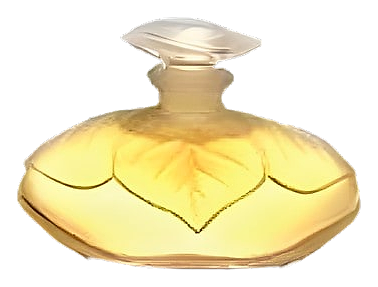
Fleur de Nacre arrived in 1985, created by Nicolas Mamounas for a house that preferred to let its fragrances speak rather than explain itself. The name translates to "flower of nacre", iridescent, layered, something that catches light differently depending on where you stand. Whether Mamounas intended the connection to mother-of-pearl or simply liked the way the words sat together, the fragrance itself has that same quality: it shifts with the wearer, with the light, with time.
The composition leans into what the 1980s did best, bold florals held accountable by something darker underneath. Carnation provides the spice that keeps the gardenia or tuberose from floating away entirely. Aldehydes anchor the opening in that classic soapy-floral territory that reads as either timeless or dated depending on who's sniffing. Oakmoss in the base ensures the whole thing doesn't dissolve into pure sweetness. It's structured, it's deliberate, and it doesn't try to please everyone in the room.
The evolution
The aldehydes announce themselves first, bright, slightly waxy, the scent of soap that costs more than the drugstore kind. Within minutes, the florals push through: carnation's spice tempering the creamier gardenia or tuberose notes, a tug-of-war that keeps the opening from settling too long. Then the base arrives. Oakmoss does what oakmoss does, it pulls the sweetness back, grounds the florals, turns the whole thing into something that sits close to the skin but refuses to disappear. The drydown lasts hours on most, though dry skin might find it shorter. What lingers isn't the florals anymore. It's the powder. It's the memory of soap and something slightly green underneath.
Cultural impact
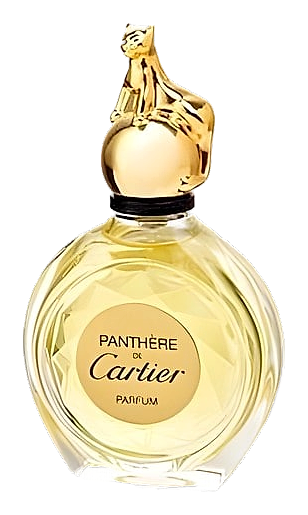
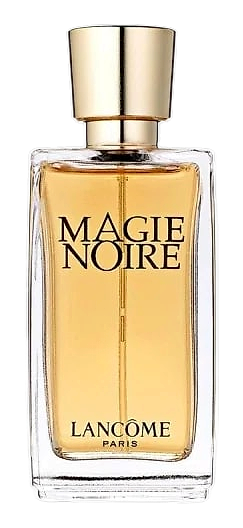
Discontinued but not forgotten among collectors who remember what the 1980s demanded of its florals. the community users list comparisons to Givenchy Organza, Cartier Panthère, and Guerlain Shalimar, not bad company for a house most people have never heard of. The aldehydic, chypre-forward structure places it firmly in its era's vocabulary while maintaining enough individuality to stand apart.