
The Story
Why it exists.
The beginning
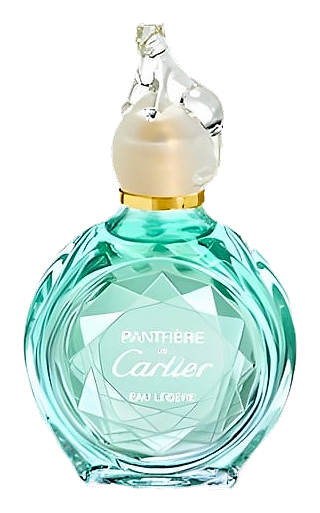
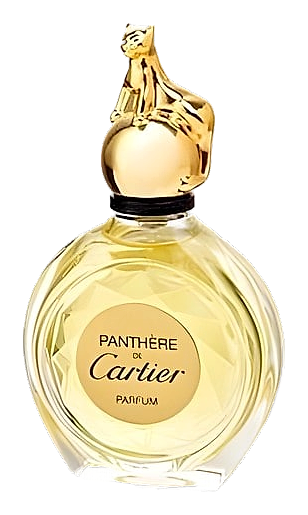
Alberto Morillas created Panthère in 1986. He drew on a historic chypre structure and layered fresh citrus against white blooms, adding something that evokes warm skin. The result was Cartier's olfactive mascot, a fragrance that captures the spirit of the panther in liquid form.
The composition runs wide. Very wide. Thirteen heart notes appear across multiple sources: tuberose, gardenia, jasmine, ylang-ylang, carnation, freesia, iris, heliotrope, narcissus, vetiver, nutmeg, Karo-Korund, and karo karounde. The breadth of the heart creates a dense floral tapestry. Karo-Korund itself is unusual in fragrance pyramids, an ingredient that gives the white floral heart a distinctive character. The civet in the base provides an animalic quality that anchors the composition.
The evolution
The opening announces mandarin and grapefruit in quick succession, a bright citrus burst softened by orange blossom's sweetness. Ginger and black pepper add a thin line of clean heat. The white florals take over as the top notes recede. Tuberose dominates, thick and heady, but gardenia and jasmine follow close. Then the base arrives: civet asserting itself against sandalwood's cream, oakmoss's green depth, amber's warmth. Vanilla and tonka bean round the edges into something powdery and intimate.
Cultural impact
Panthère arrived in 1986 as a chypre built around white florals and animalic warmth. The fragrance has outlasted trends and flank variations, remaining a reference point for bold, powdery, skin-close composition. It's the fragrance people describe when they mean presence without volume.