The Story
Why it exists.
The beginning
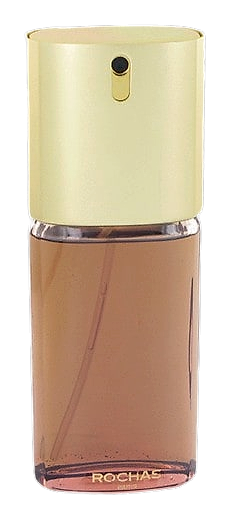
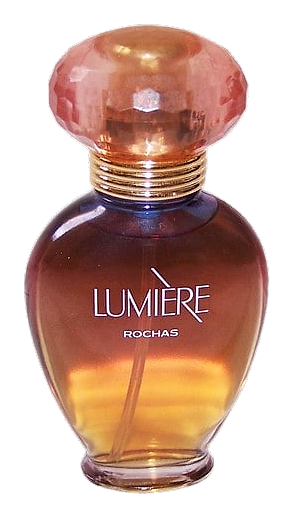
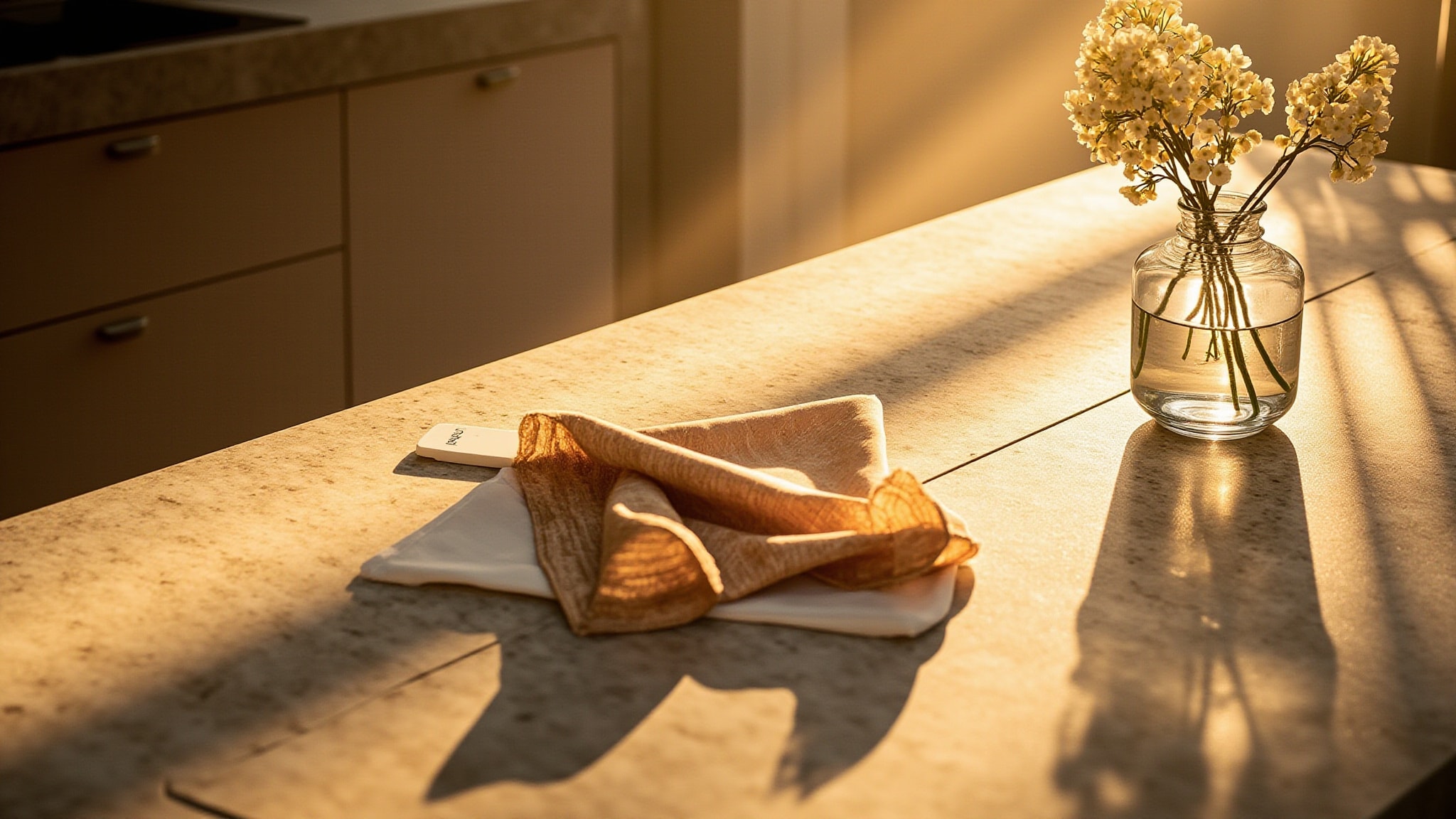
Nicolas Mamounas created Lumière for Rochas in 1984 with a singular obsession: light itself. Not sunlight, the memory of light. The way it turns golden at 5pm, the way it makes a room feel inhabited even when no one's there. Honeysuckle was the answer he landed on, that specific, almost too-sweet bloom that grows wild in Mediterranean gardens, the kind that catches late afternoon sun and seems to glow from within. The name is no accident. Lumière means light, in French, and that's exactly what this composition holds: the luminosity of a moment, translated into something you can wear.
What makes this structure unusual is the ambergris anchor, not the sandalwood or musk that typically support a white floral. Ambergris brings a mineral warmth, something almost salty, that keeps the florals from turning purely pretty. It adds a shadow. Honeysuckle gives you the brightness; ambergris gives you the depth. The gardenia in the heart bridges, creamy, slightly indolic, almost waxy in its richness. Jasmine then takes over and doesn't let go. Together, these three florals build something that feels less like perfume and more like a room someone just left, the warmth of their presence, the absence that still smells like them.
The evolution
The opening hits first, honeysuckle's nectar, bright and immediate, sweetened by aldehydes until it almost shimmers. Within minutes the florals begin their conversation. Gardenia steps forward with its waxy, creamy richness, followed by jasmine's deeper, more insistent bloom. The honeysuckle doesn't disappear, it lingers at the edges, a sweetness holding the structure together. This is where most fragrances lose people: the heart is lush, almost dense, the kind of white floral that announces itself without apology. Then the ambergris arrives, usually after the second hour. Not loud. Warm, mineral, intimate. The kind of note that sits close to the skin and asks you to come nearer. It holds there for hours. On fabric, this fragrance can last into the next day, a ghost of flowers, a trace of warmth, the memory of light.
Cultural impact
Lumière has endured for forty years not through reinvention but through loyalty. Those who found it in 1984 still wear it; those who discovered it later find something they didn't expect, a white floral that doesn't follow trends because it set one. The aldehydic warmth reads differently in each era, but the structure holds. It's the fragrance people describe when they say a scent 'smells like a certain kind of afternoon.'