
The Story
Why it exists.
The beginning
The fragrance opens with a citrus verbena brightness that feels almost fragile at first spray, a delicate shimmer before the composition takes hold. As the top notes settle, the lavender and carnation take their place in the middle, a floral presence that carries a certain authority, a certain weight that reads as power rather than softness. The base anchors everything in vetiver and cedar, woods that don't soften, woods that hold their ground. The overall impression is one of composure and restraint, a fragrance that doesn't need to shout to be felt. The composition moves deliberately from its bright opening through its layered heart to a foundation that lingers, each stage distinct yet connected to the next.
The composition stacks a heart of geranium, carnation, and Brazilian rosewood, materials that could have leaned in different directions without the base pulling hard into vetiver, patchouli, and amber. The citrus opens cool and clean, a sharp brightness that gives way to the heart as it warms on the skin. The heart introduces warmth and complexity, the floral and herbal notes building together into something that feels substantial rather than fleeting.
The evolution
The first thirty minutes are all cool air and bright citrus, bergamot, lemon verbena, a whisper of petitgrain, a crisp opening that feels clean and precise. Then the lavender thickens, the geranium arrives, and the carnation starts to bloom in the heart, bringing a dry floral warmth that shifts the energy from sharp to something deeper. The Brazilian rosewood holds the middle together, a woody warmth that bridges the transition from top to base. By hour two, the base takes over: vetiver and cedar, patchouli grounding everything, a thread of amber and tonka bean that softens the edges just enough to keep the woods from feeling harsh. The drydown is where this fragrance settles into itself, vetiver and musk and sandalwood and patchouli lingering close to the skin but present for hours, evolving slowly from the bright opening through the complex heart to this grounded, lasting finish.
Cultural impact
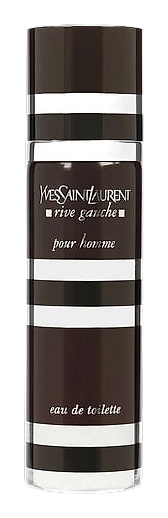
The carnation in the heart of YSL Pour Homme was unusual in 1971 masculine fragrances, a floral note that brought unexpected depth and complexity to the genre. The vetiver and cedar in the drydown gave the fragrance a distinctive character that set it apart from simpler compositions of the era. This combination of bold florals and grounded woods created something that felt both sophisticated and lasting, a fragrance that made a statement without being loud. The overall effect was a scent that stood out for its complexity and its refusal to be typical.