



    Brand Profile

    Nina Ricci is a Parisian fashion house founded in 1932 by Italian-born designer Maria "Nina" Ricci and her son Robert Ricci. The house began…More

    France·Est. 1932·Site

    3.9

    Rating

    Nina by Nina Ricci – Eau de Toilette
    Best Seller
    3.9

    Nina

    Eau de Toilette

    Haltane by Parfums de Marly
    Coming Soon

    Haltane

    Parfums de Marly

    Baccarat Rouge 540 by Maison Francis Kurkdjian
    Coming Soon

    Baccarat Rouge 540

    Maison Francis Kurkdjian

    Aventus by Creed
    Coming Soon

    Aventus

    Creed

    Sauvage by Dior
    Coming Soon

    Sauvage

    Dior

    Black Orchid by Tom Ford
    Coming Soon

    Black Orchid

    Tom Ford

    The Heritage

    The Story of Nina Ricci

    Nina Ricci is a Parisian fashion house founded in 1932 by Italian-born designer Maria "Nina" Ricci and her son Robert Ricci. The house began as a couture salon on Rue Haussmann, quickly establishing a reputation for refined, feminine gowns with romantic sensibility. Robert established an in-house perfume division in 1941, though the first fragrance would not arrive until 1946. That inaugural scent, Coeur Joie, marked the beginning of a partnership with Lalique that would define the house's olfactory identity. The house introduced its most celebrated fragrance, L'Air du Temps, in 1948, a scent that remains in production decades later. Puig acquired Nina Ricci in 1998, bringing the house under the same ownership that manages Carolina Herrera and Jean Paul Gaultier. Today, the fragrance collection spans from timeless classics to contemporary offerings like the Nina line, maintaining the house's commitment to feminine elegance.

    Heritage

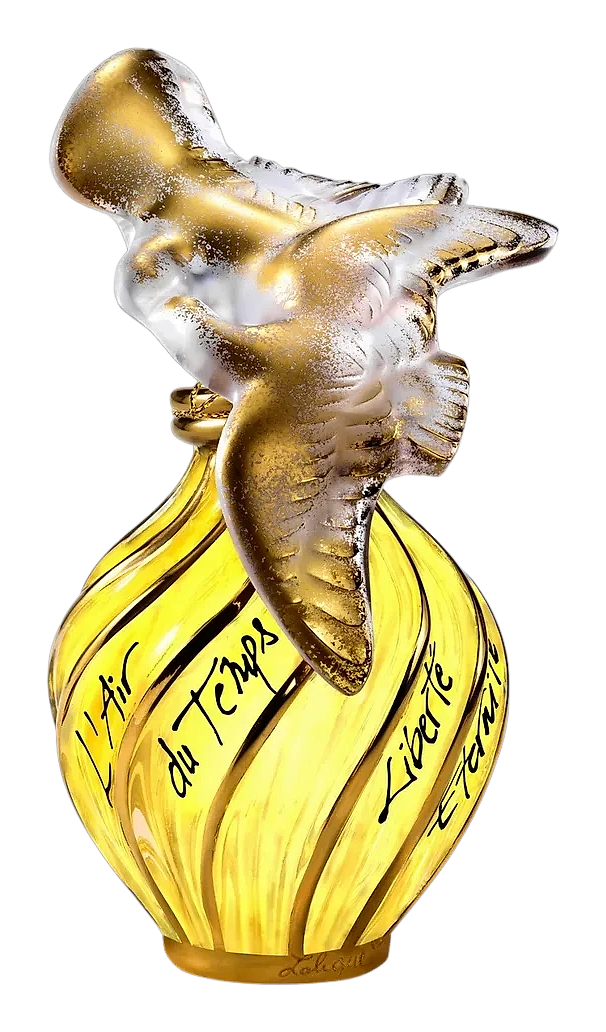
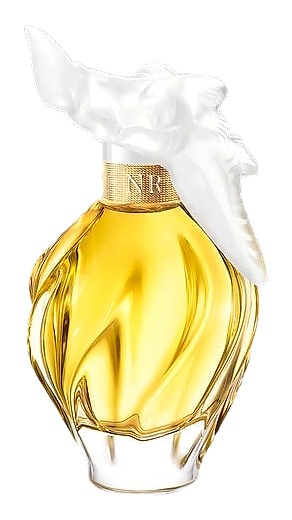
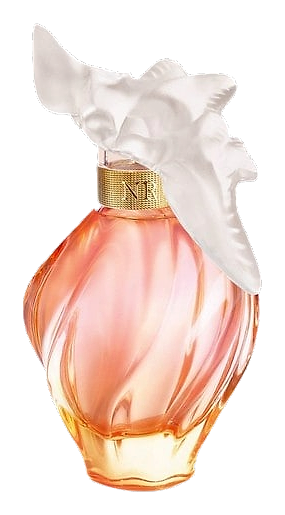
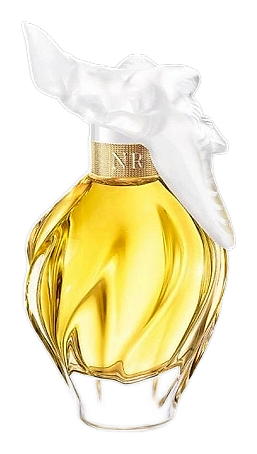
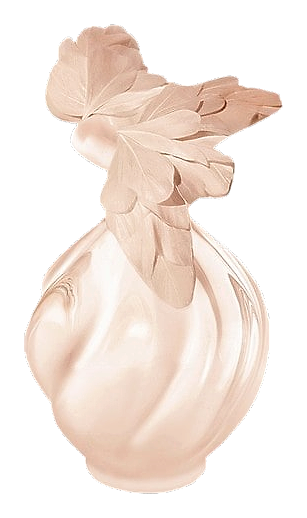
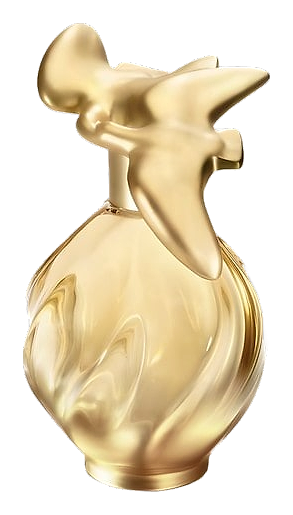
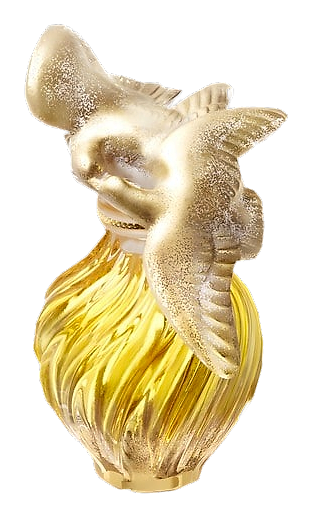
    Nina Ricci traces its origins to 1932 Paris, when Maria "Nina" Ricci and her son Robert established their couture house on Rue Haussmann. Maria had arrived in Paris as a young woman from Turin, initially working as a seamstress before rising through the ranks to become premier stylist at a major couture salon. Her approach to fashion was tactile and direct; she worked with fabrics positioned directly on mannequins to ensure proper drape and shape. Meanwhile, Robert managed the business and financial operations with a complementary precision. The partnership between mother and son proved formidable. Maria brought an innate understanding of feminine beauty and romantic aesthetics, while Robert identified opportunities for expansion beyond couture. In 1941, Robert created an in-house perfume division, recognizing that fragrance could extend the house's reach beyond clients who wore their gowns. The first fragrance would not materialize until 1946, when Robert collaborated with French perfumer Germaine Cellier on Coeur Joie. The scent arrived in a hollow-center heart-shaped crystal bottle designed by Lalique, establishing a collaboration with the renowned crystal house that would span decades. Robert then developed L'Air du Temps in 1948, which would become the defining scent of the house. The perfume's twin-dove bottle, created by Marc Lalique, became an icon. Following Maria's death in 1970, Jules-Francois Crahay assumed leadership of the house. Robert continued his work in perfumery and business until his death in 1988. The house joined Spanish group Puig in 1998, ensuring continued investment in both fashion and fragrance lines.

    Craftsmanship

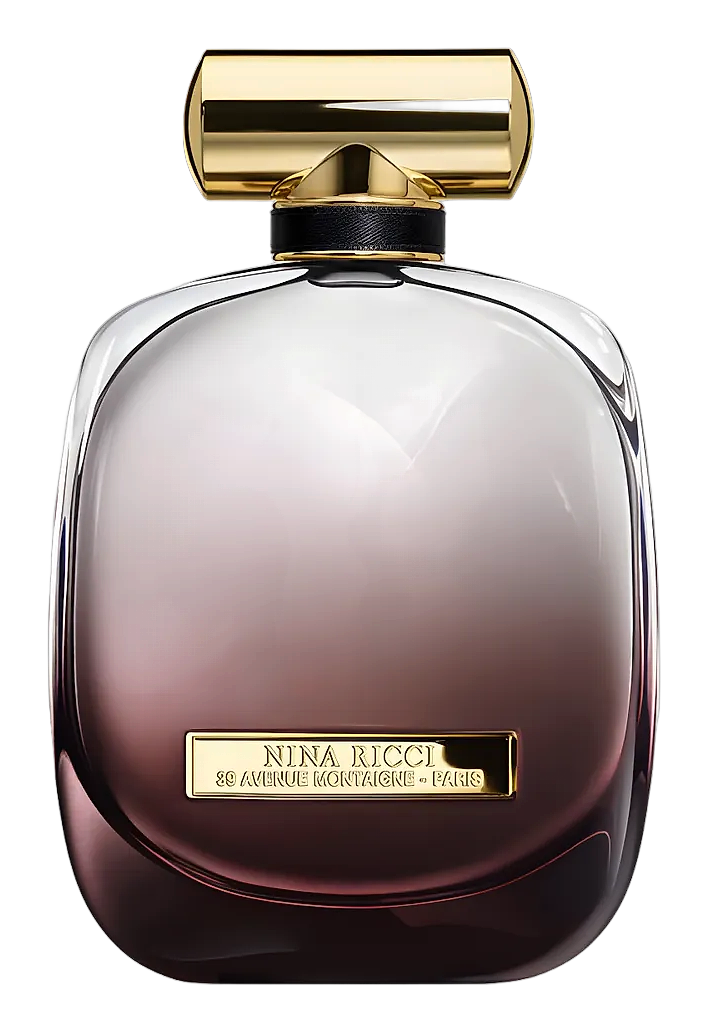
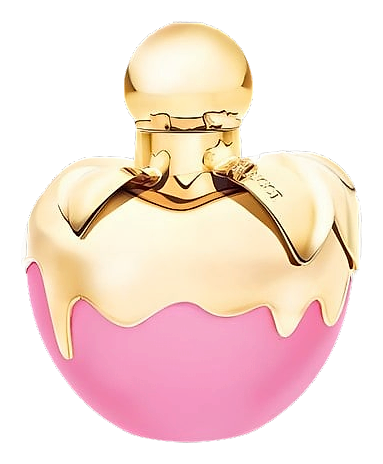
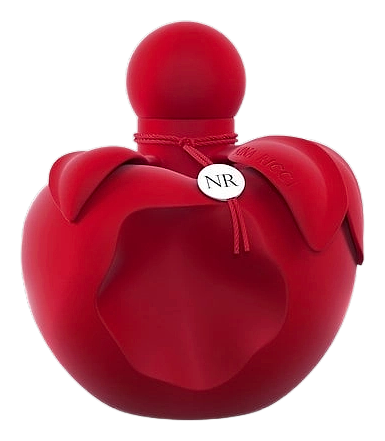
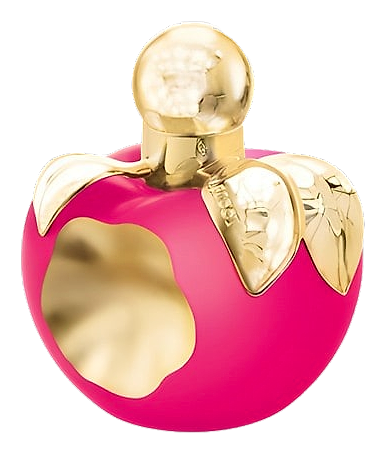
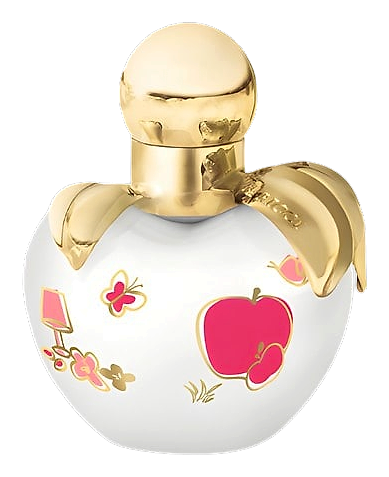
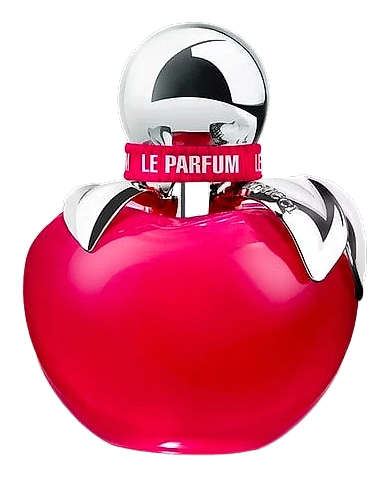
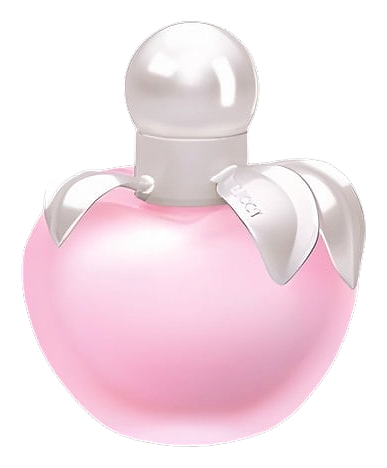
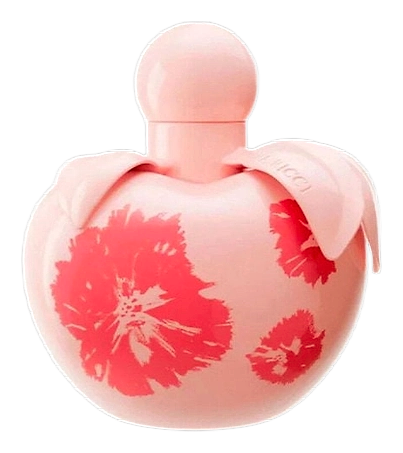
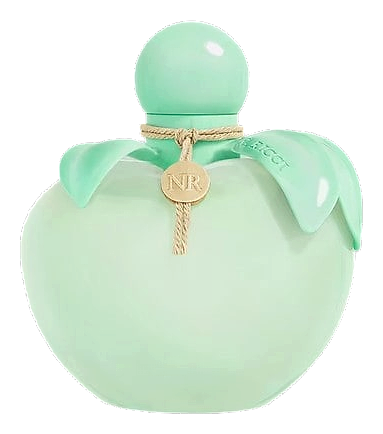
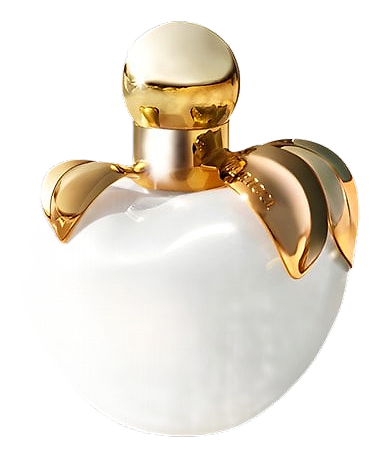
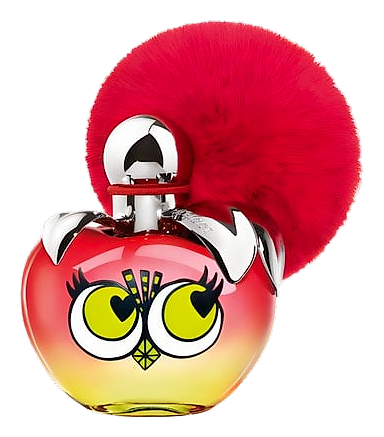
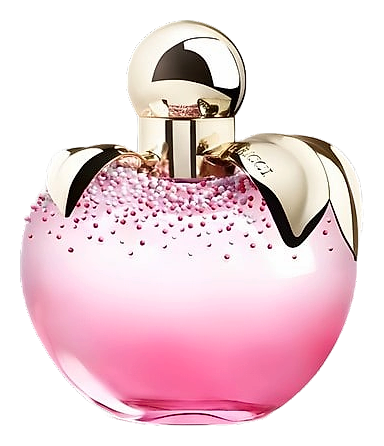
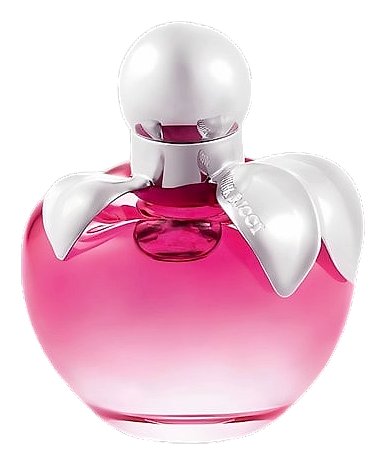
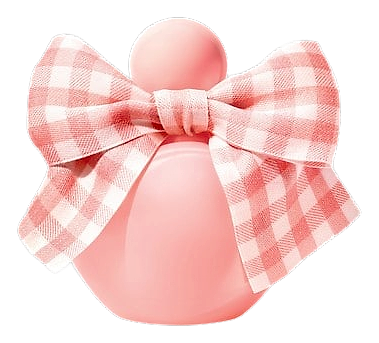
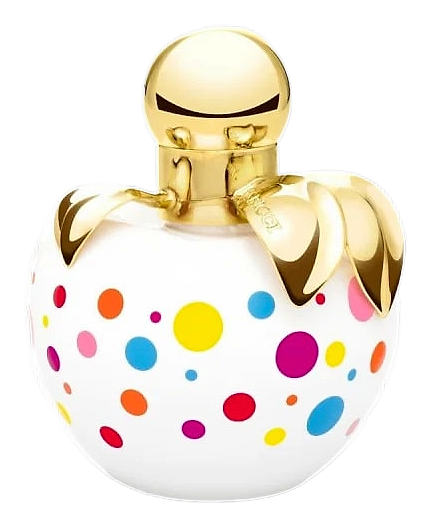
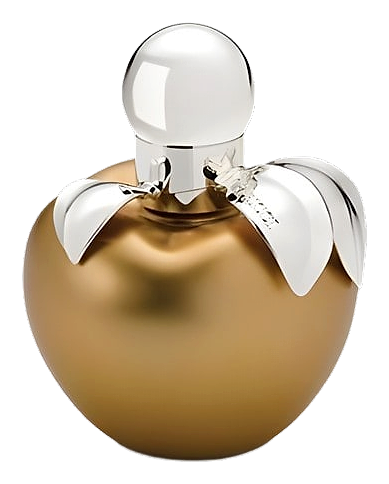
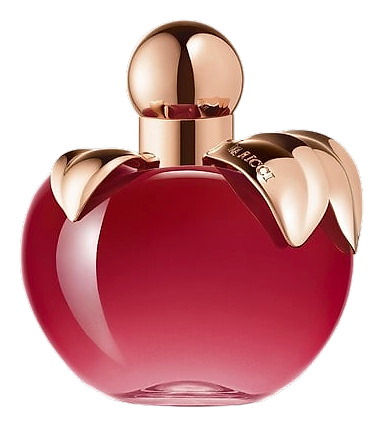
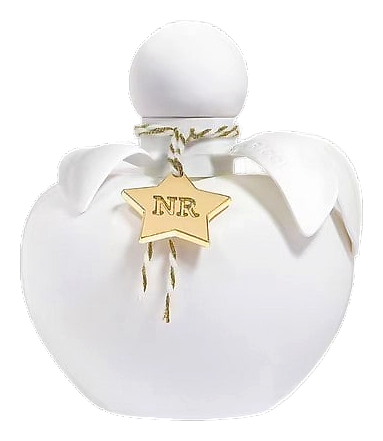
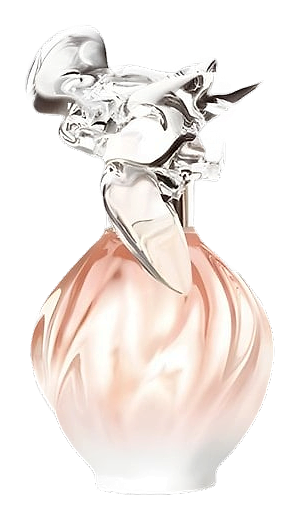
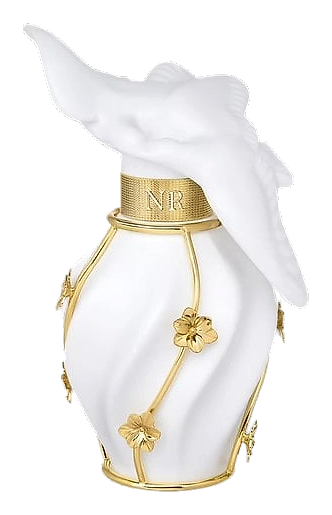
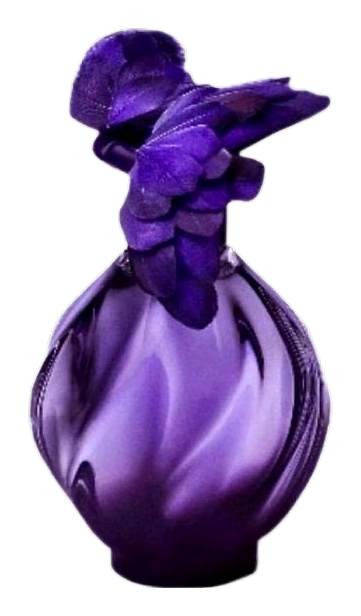
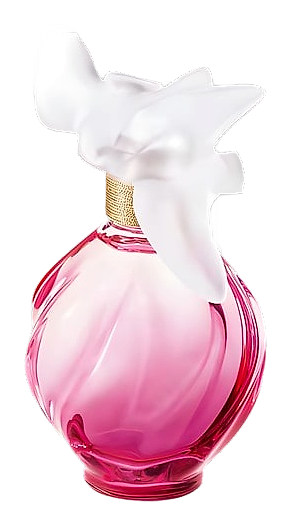
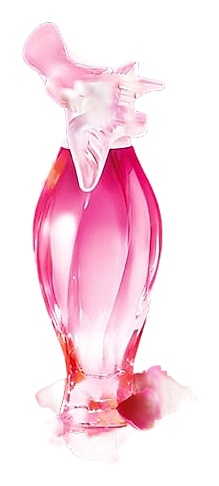
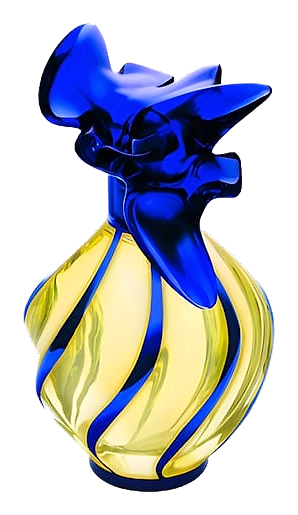
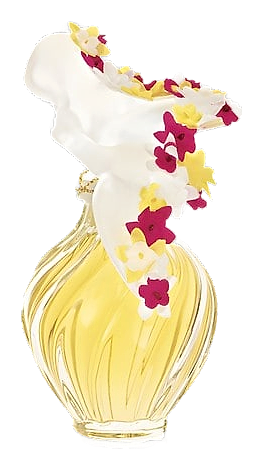
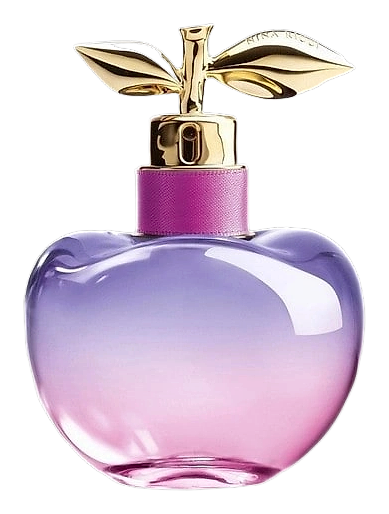
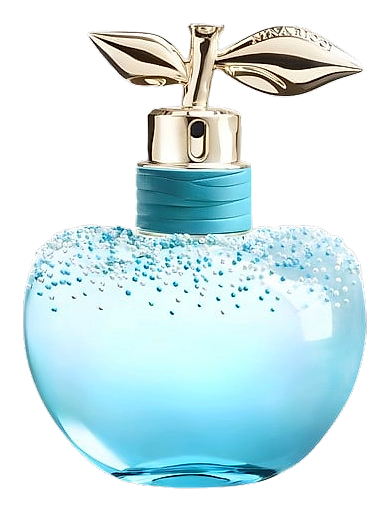
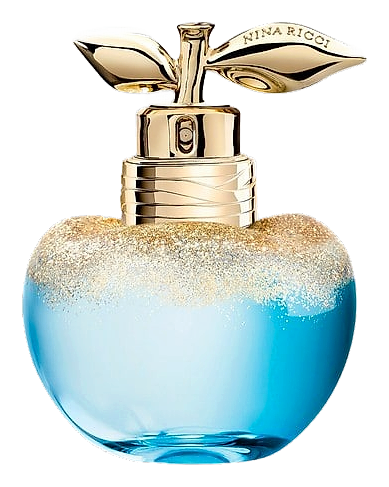
    Nina Ricci fragrances have long relied on partnerships with master perfumers to achieve their characteristic balance of romantic florals and refined structure. For Coeur Joie in 1946, Robert worked with Germaine Cellier, one of the notable female perfumers of her era, who crafted an elegant composition featuring neroli and bergamot opening into iris, violet, jasmine, and rose. The Lalique crystal bottles represent another dimension of craftsmanship. Marc Lalique designed the iconic twin-dove bottle for L'Air du Temps, a piece that has remained largely unchanged and is considered one of the most recognizable fragrance vessels ever created. Each Lalique bottle required skilled glasswork to achieve the delicate details and weighted feel that distinguishes genuine crystal. The house's more recent fragrances continue this tradition of careful formulation and distinctive packaging. The Nina collection features bottles with sculptural apple forms, while Les Belles de Ricci introduced more geometric interpretations. Ingredient selection follows the house tradition of quality florals, with particular attention to the romantic florals that have defined Nina Ricci scents across decades. The connection to couture heritage means fragrance development maintains the same emphasis on quality materials and thoughtful construction applied to fashion.

    Design Language

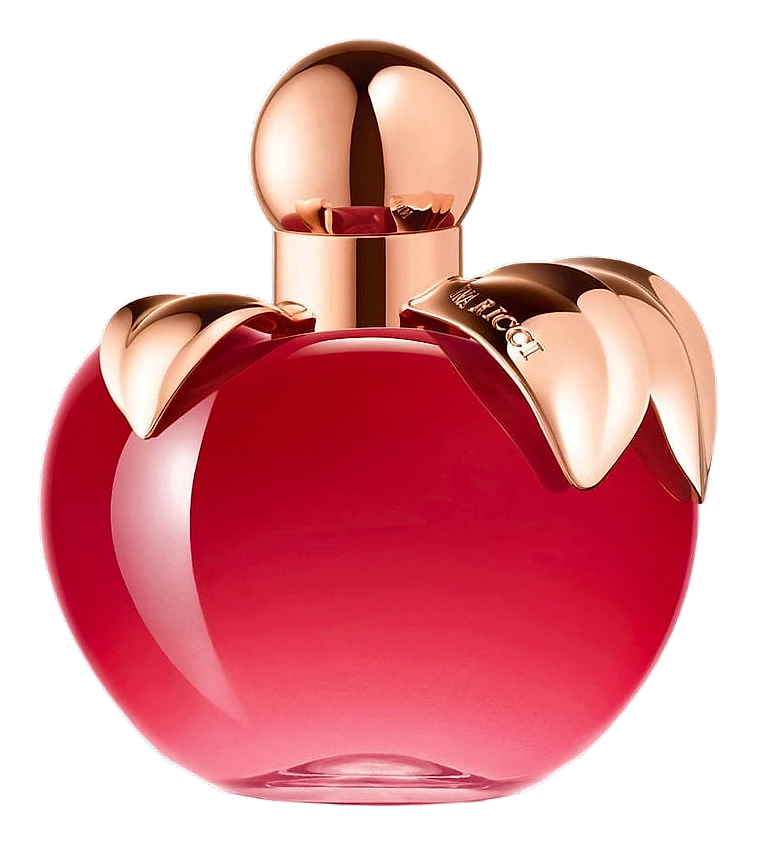
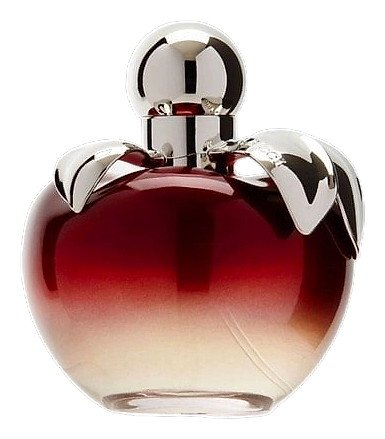
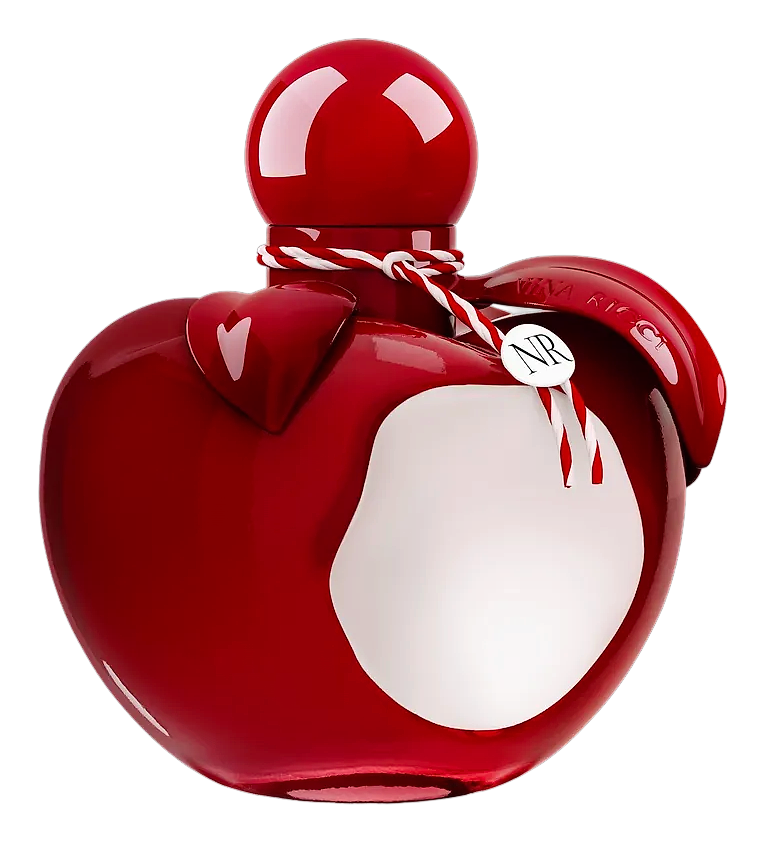
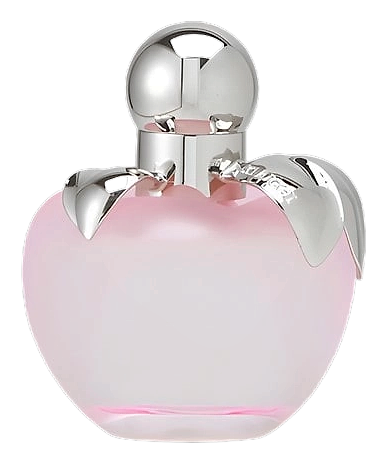
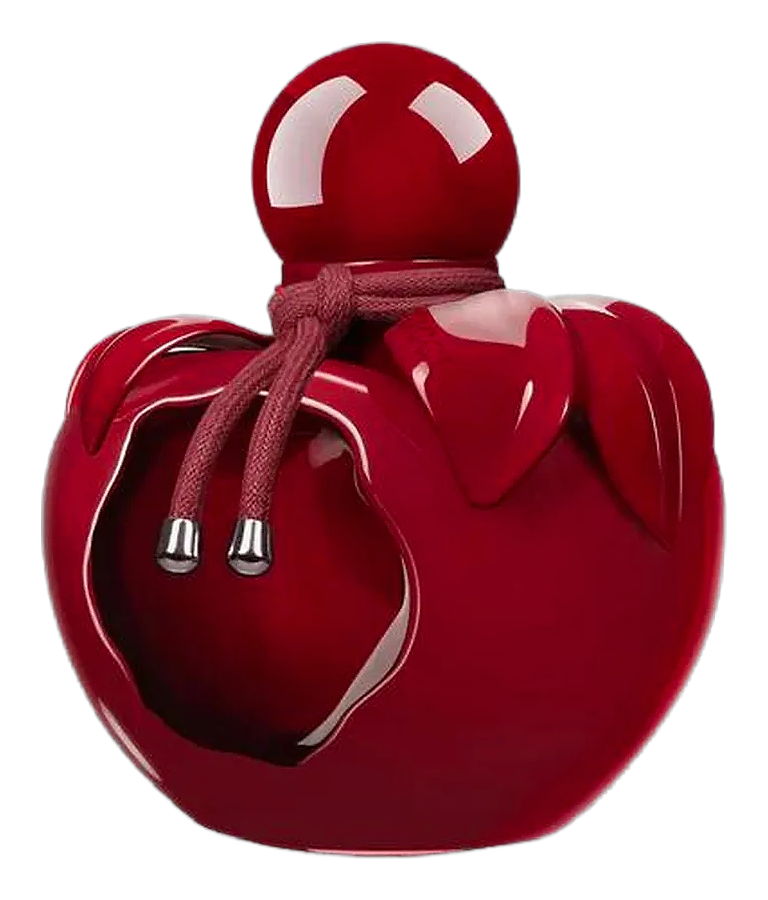
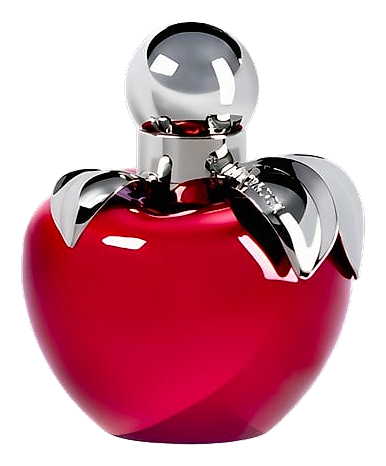
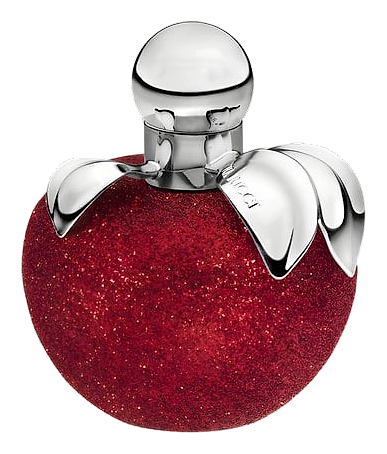
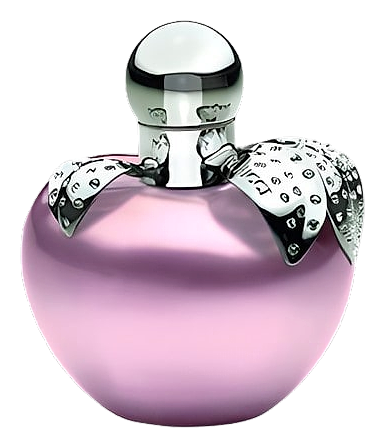
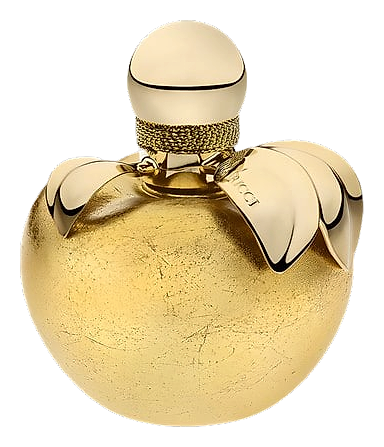
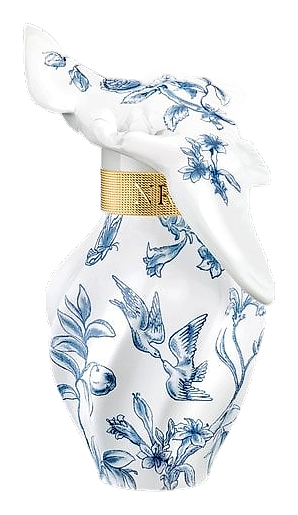
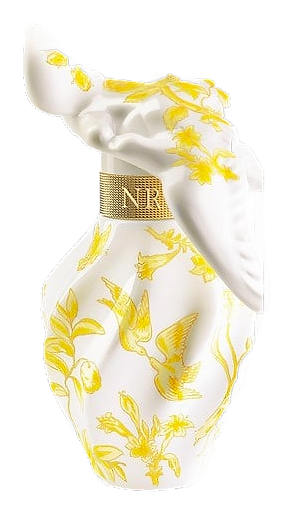
    The Nina Ricci visual identity has evolved across decades while maintaining core elements of feminine elegance and romanticism. The twin-dove motif on L'Air du Temps bottles represents peace and timelessness, appearing on packaging and advertising consistently since 1948. This imagery connects the fragrance line to broader house aesthetics developed during Maria Ricci's tenure as designer. The Lalique bottles themselves constitute a significant portion of the brand's visual heritage, with heart shapes, geometric patterns, and organic forms reflecting the design sensibilities of different eras. Marc Lalique's work established a standard for combining architectural precision with romantic symbolism that continues to influence bottle design. Contemporary Nina Ricci fragrances feature more playful packaging, with the Nina line introducing the red apple form that has become synonymous with the younger fragrance direction. The house aesthetic balances heritage elements with modern accessibility, maintaining sophistication while broadening appeal. Advertising campaigns have ranged from art-world collaborations (Andy Warhol designed window displays for the brand) to romantic editorial photography emphasizing feminine beauty. The overall visual language communicates romantic elegance appropriate for a house founded on refined femininity.

    Philosophy

    The Nina Ricci approach to both fashion and fragrance has consistently centered on feminine beauty expressed through romantic, refined aesthetics. Maria Ricci believed clothing should make women feel their most elegant selves, a philosophy that translated naturally into fragrance. The house describes its mission as encouraging women to flourish and feel their best, maintaining that emphasis on feminine confidence. Robert Ricci applied similar thinking to perfumery, selecting collaborators who could translate romantic sensibility into liquid form. Germaine Cellier, who created Coeur Joie, was known for her sophisticated approach to feminine florals. The house has continued seeking perfumers who can capture this spirit across generations of changing tastes. Recent creative direction has involved inviting outside voices to reinterpret the archives, bringing contemporary perspectives while maintaining connection to the house's origins. The partnership with Lalique reflects a broader commitment to craftsmanship and beauty in every detail, from fabric selection to bottle design. Nina Ricci embraces freedom and artistic momentum, allowing each collection and fragrance to feel fresh while remaining grounded in the house's heritage of feminine elegance.

    Key Milestones

    1932

    Maria "Nina" Ricci and her son Robert founded the Nina Ricci couture house in Paris, establishing a reputation for refined, feminine gowns.

    1941

    Robert Ricci established an in-house perfume division, anticipating future expansion into fragrance.

    1946

    Nina Ricci launched its first fragrance, Coeur Joie, created with perfumer Germaine Cellier and housed in a Lalique heart-shaped crystal bottle.

    1948

    The house introduced L'Air du Temps, its most enduring fragrance, in a twin-dove Lalique bottle designed by Marc Lalique.

    1998

    Spanish fashion and beauty group Puig acquired Nina Ricci, bringing the house under new ownership while maintaining its fashion and fragrance operations.

    2006

    Nina, a new fragrance direction for the house, launched with its distinctive red apple-shaped bottle, targeting a younger demographic while maintaining feminine elegance.

    At a Glance

    Brand profile snapshot

    Origin

    France

    Founded

    1932

    Heritage

    94

    Years active

    Collection

    1

    Fragrances released

    Avg Rating

    3.9

    Community sentiment

    ninaricci.com

    Did You Know?

    Interesting Facts

    Distinctive details and defining moments that shape the house personality.

    01

    Andy Warhol created window displays for Nina Ricci at one point in his career, bringing pop art sensibility to the Parisian couture house.

    02

    Romano Ricci, the great-grandson of Maria and grandson of Robert, continues the family perfumery tradition through his own brand, Juliette Has a Gun.

    03

    Nina Ricci was among the pioneers of fashion licensing, establishing licensing agreements before the rise of ready-to-wear fashion in the industry.

    04

    The twin-dove motif on L'Air du Temps represents peace and has remained on the fragrance packaging since its 1948 launch, making it one of the most consistent fragrance branding elements across decades.

    05

    Several airlines selected Nina Ricci to design flight attendant uniforms, extending the house's feminine aesthetic beyond couture clientage.

    The Artisans

    The Perfumers