
The Story
Why it exists.
The beginning
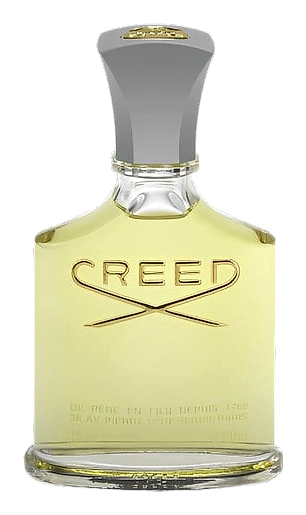
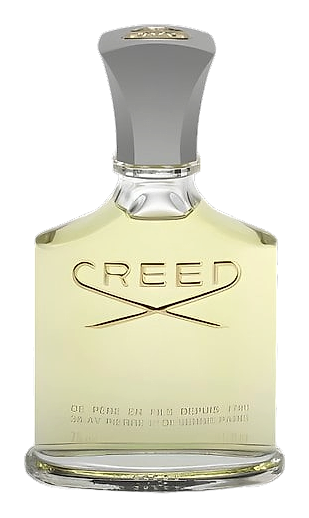
Chevrefeuille is French for honeysuckle, and Olivier Creed designed this fragrance around the memory of his childhood home in Normandy. The estate's exterior walls were reportedly thick with honeysuckle, climbing vines, heavy with scent in the summer air. That specific memory, the tart-sweet smell of blossoms against stone, green leaves still damp with morning dew, became the brief. The result is a fragrance that takes its name literally, building an entire composition around one material and its supporting green architecture.
Honeysuckle is an unusual choice for a focal point. It's a material that resists easy classification, too green for a true floral, too sweet for a true green. In traditional perfumery, it's usually a supporting actor, lending warmth to white florals or softening sharp citrus. Chevrefeuille puts it center stage and challenges it to carry a full pyramid. The answer lies in using both the leaf and the flower, the tart, slightly bitter green of the leaf at the top, the fuller, sweeter bloom in the heart, with ambergris as a grounding base that adds depth without sweetness. The tension between green and floral is the whole point.
The evolution
The opening hits tart. Honeysuckle leaf announces itself with a green, almost lemony sharpness that feels nothing like the syrupy honeysuckle of memory. This is the flower before it sweetens. Green notes dominate, dewy and immediate. Within twenty minutes, the honeysuckle blooms in earnest, the floral heart takes over, but green grass keeps it grounded. It smells like a garden after rain, not a florist's bouquet. The transition is where it gets interesting. The honeysuckle begins to fade, and what replaces it is mossier, darker, a green accord that suddenly reads earthy and close to skin. The ambergris arrives late, quietly, adding animalic warmth that turns the composition intimate. On most skin types, the full arc lasts 4-6 hours, with the drydown staying close and soft for the final hour rather than projecting outward.
Cultural impact
Chevrefeuille occupies a quiet corner of Creed's catalog, not a blockbuster flanker, not a reformulation story. It represents the house's philosophy of bottling personal memory rather than market opportunity. The 1982 release was Olivier Creed bottling a specific moment from his own life, which aligns with how he has described his creative process: fragrance as personal journal, not commercial brief. For those drawn to Creed for the house's philosophy rather than its most famous releases, Chevrefeuille is the answer to a different kind of search. Its scarcity in recent years has made it harder to find, which, for some, only increases its appeal.