Honeysuckle Leaf
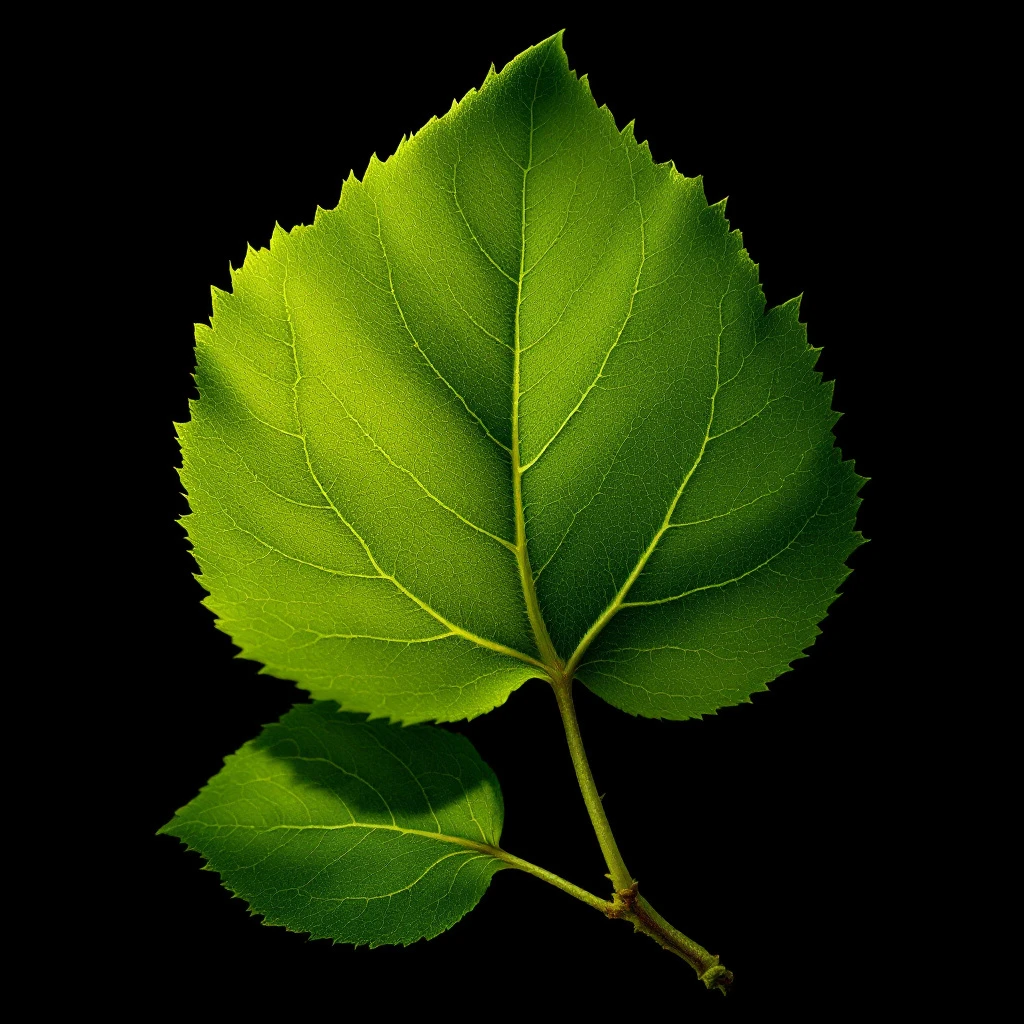
Honeysuckle leaf captures a green, slightly bitter facet of the beloved summer bloom. Delicate and heat-sensitive, natural extraction proves nearly impossible, making synthetic replicates the industry standard for perfumery applications.
Character
How it smells
Green, bitter, and stubbornly elusive
Ancient perfumers used enfleurage, a cold-fat extraction technique, to capture honeysuckle's fleeting aroma before modern chemistry offered alternatives.
Pairs beautifully with
Origin
China
Honeysuckle has wound through human culture for millennia. Ancient Egyptians first developed enfleurage around 1500 BCE, seeking to preserve floral scents too delicate for heat.
French perfumers perfected this technique in the 18th century, applying it to flowers rather than leaves. The leaf itself remained largely unexploited until aroma chemistry advanced.
Lonicera caprifolium and Lonicera gigantea supplied the rare flower absolutes produced in southern France before extraction costs made commercial production untenable. Today, honeysuckle leaf exists almost exclusively as a synthetic creation, honoring the plant's green spirit through molecular precision.
Wears it best
Fragrances featuring Honeysuckle Leaf
Brands
Brands known for Honeysuckle Leaf
Good to know
Questions, answered
The essentials on Honeysuckle Leaf in perfumery: how it smells, where it comes from, and how it behaves on skin.
Does honeysuckle leaf have a natural essential oil?
No. Honeysuckle leaf produces no commercially viable essential oil. Steam distillation fails because the aromatic compounds break down under heat, making synthetic alternatives the only practical option for perfumery.
What does honeysuckle leaf smell like?
Honeysuckle leaf contributes a green, slightly bitter aroma reminiscent of crushed stems and fresh garden air. It differs from the sweet honey notes associated with honeysuckle flowers.
Why do perfumers use synthetic honeysuckle leaf?
Natural extraction yields almost nothing. Synthetic production duplicates the exact molecular structures responsible for the leaf's green, astringent character with consistent quality and supply.
Which honeysuckle species were historically used for fragrance?
Lonicera caprifolium and Lonicera gigantea supplied rare flower absolutes in southern France. These species are now too expensive to extract commercially, limiting their use to historical curiosity.
Is honeysuckle leaf the same as honeysuckle flower in perfumery?
No. The flower yields sweet, honeyed notes while the leaf provides green, bitter undertones. Perfumery applications differ significantly, with leaf materials appearing in fragrance bases for their vegetative character.
What extraction method captures honeysuckle's aroma best?
Enfleurage, a cold-fat process developed in 18th-century France, captured delicate honeysuckle scents most effectively. This technique is now economically impractical for commercial production.
Where does honeysuckle for traditional uses come from?
China dominates global honeysuckle production for traditional medicine and culinary applications. For fragrance extraction, no significant natural source exists due to the plant's low oil yield.
How do synthetic honeysuckle materials work?
Synthetic honeysuckle replicates key aromatic molecules found in the plant through laboratory synthesis. These materials offer perfumers consistent olfactory profiles without seasonal variation or extraction limitations.