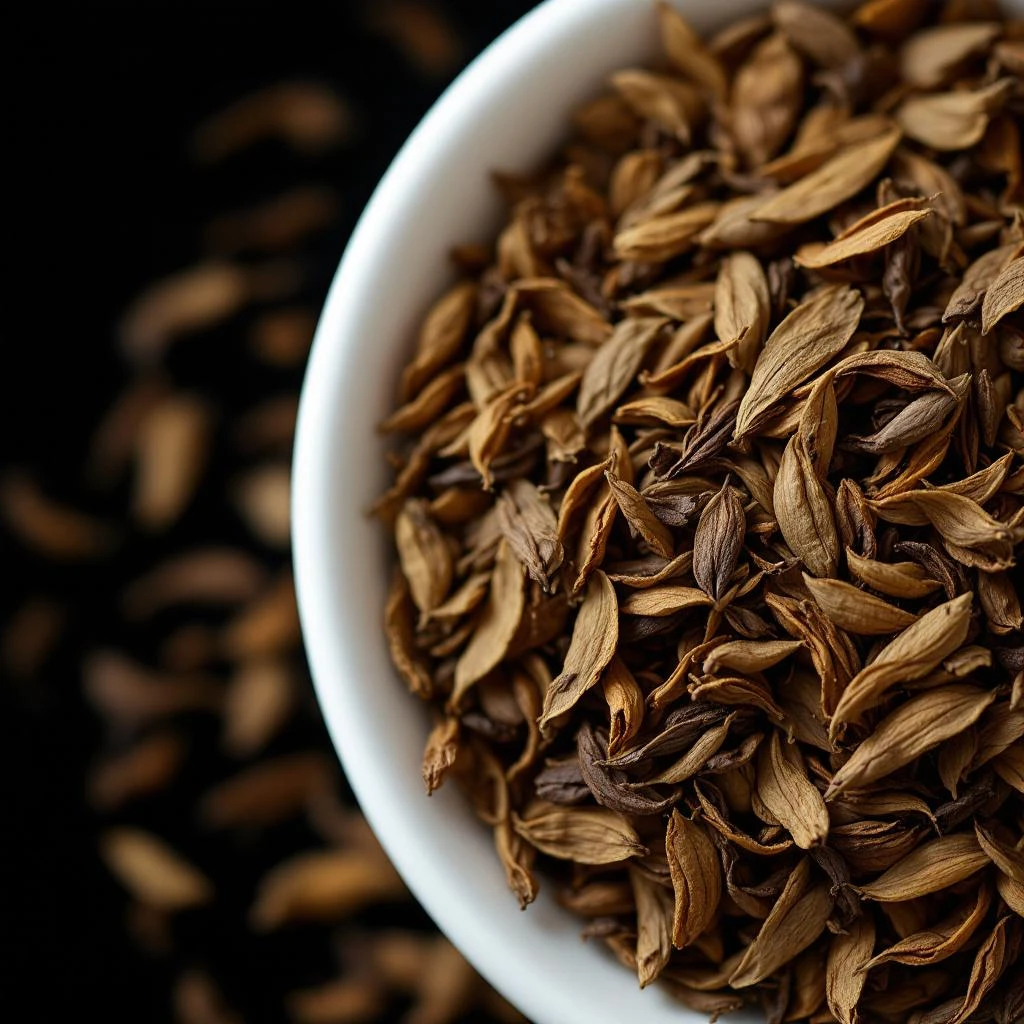
Green Grass
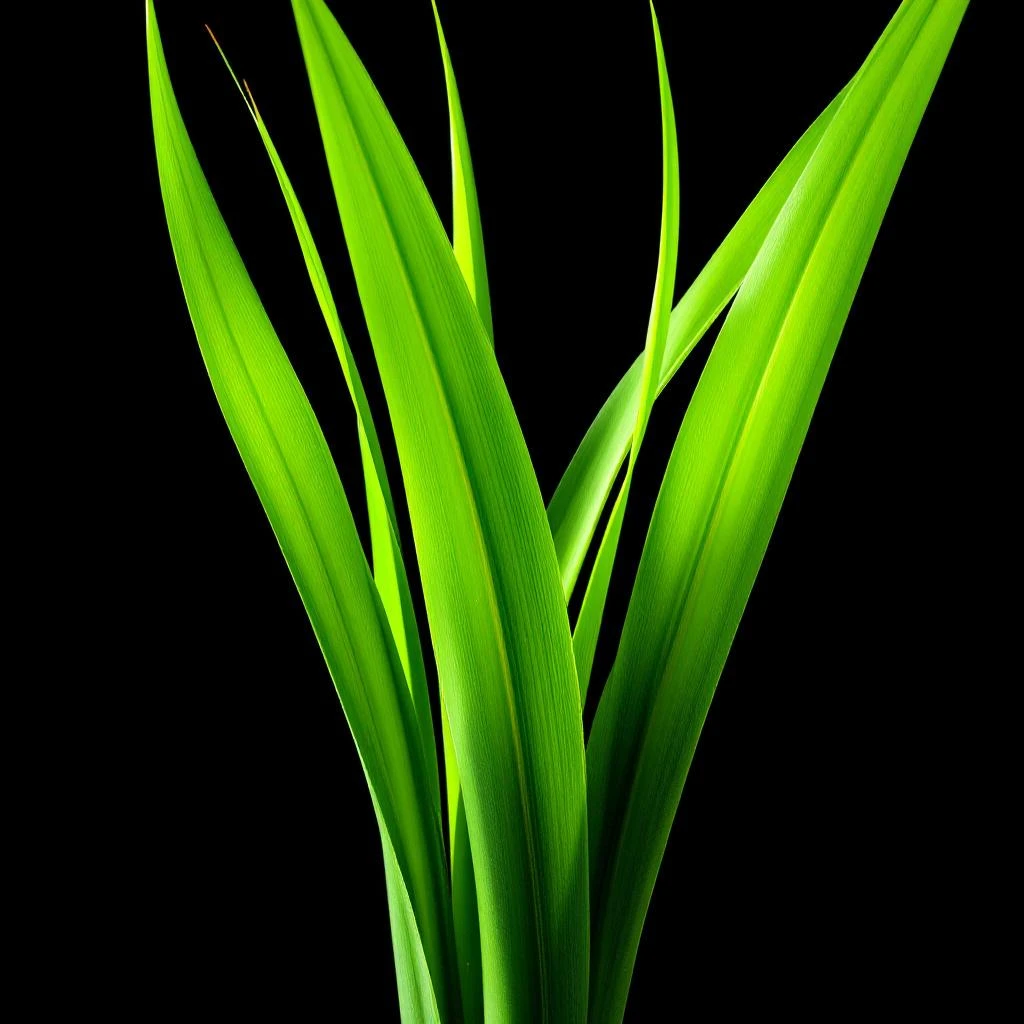
Green Grass captures the immediate, alive sensation of freshly cut lawn in morning air. This note delivers that unmistakable crispness, the kind that makes you inhale deeper without thinking. One of perfumery's most recognizable accords, it brings immediacy and uplift to compositions, evoking growth, sap, and the outdoors.
Character
How it smells
The scent of a freshly cut lawn captured in a bottle.
The molecule responsible for the scent of cut grass, cis-3-hexenol, was successfully biosynthesized in 2014, allowing perfumers to recreate this green note sustainably without sacrificing the living-plant quality.









Origin
France
The green grass note emerged as a distinct perfumery category in the late 19th century as fragrance chemistry advanced. While ancient perfumers worked with crushed leaves and herbal preparations, the ability to isolate and recreate specific green molecules came with organic synthesis. The molecule cis-hexenol was first identified and synthesized in the early 20th century, allowing perfumers to capture the essence of fresh-cut grass with precision.
This development coincided with the broader rise of modern perfumery in Grasse, France, where chemists and perfumers collaborated to expand the olfactory palette beyond natural ingredients. Today, biosynthetic production methods continue this tradition of innovation, making green notes more sustainable and consistent than ever before.
Wears it best
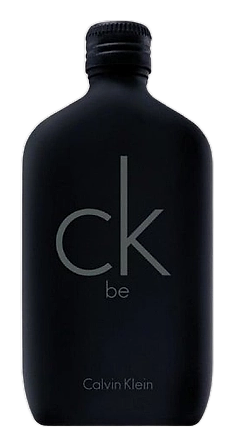
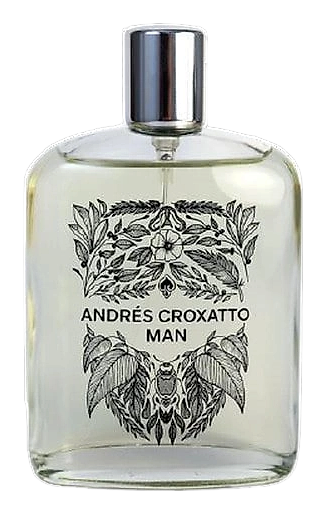
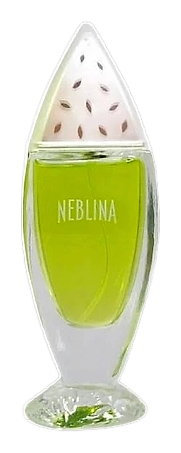
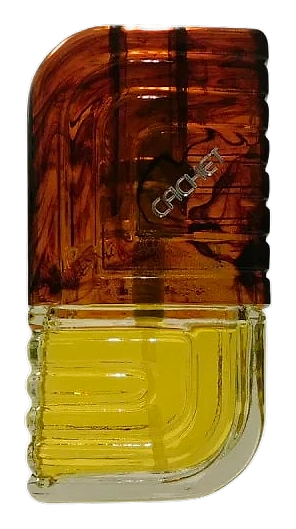
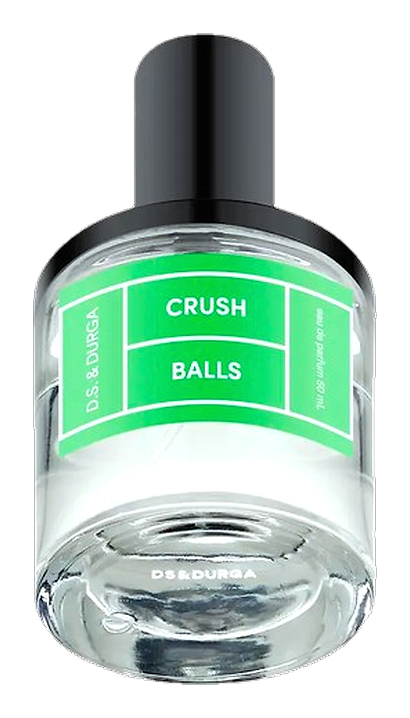
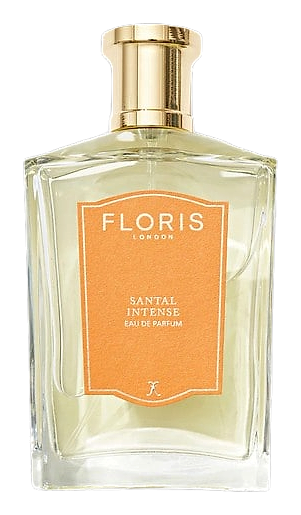
Fragrances featuring Green Grass
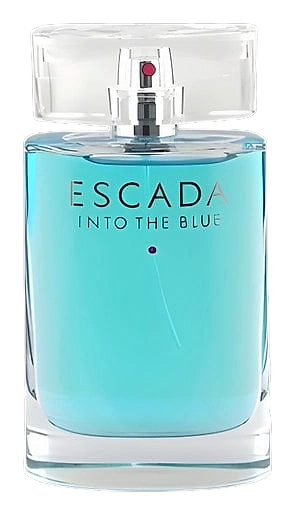
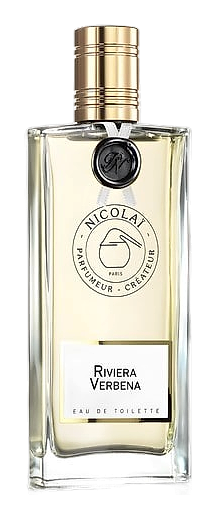
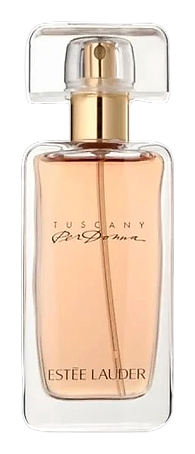
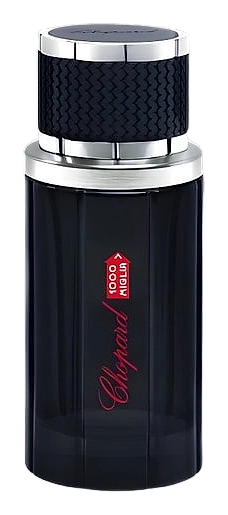

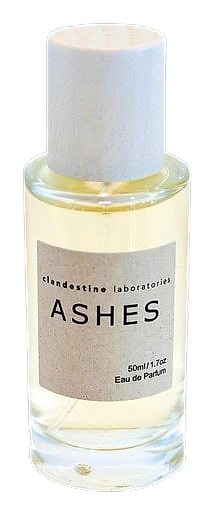
Brands
Brands known for Green Grass
Good to know
Questions, answered
The essentials on Green Grass in perfumery: how it smells, where it comes from, and how it behaves on skin.
Is green grass a natural or synthetic ingredient in perfumery?
Green grass is primarily synthetic. The key compound, cis-3-hexenol, recreates the scent of cut grass and is now produced biotechnologically through fermentation, giving perfumers a sustainable, consistent green note that rivals natural extracts.
What does green grass smell like in perfume?
Green grass delivers a crisp, fresh, and immediately recognizable scent like a freshly cut lawn. It reads as cool and airy, sometimes with metallic or earthy undertones depending on the formula. It brings immediacy and a living quality to fragrances.
Which fragrance families use green grass notes?
Green grass appears most often in fresh, sporty, and floral fragrances. It serves as a top note that provides instant brightness and is common in summer scents, unisex compositions, and modern green chypres.
How long has green grass been used in perfumery?
The specific green grass note became possible with the synthesis of cis-hexenol in the early 20th century. This followed broader advances in fragrance chemistry that began in the 1870s when the first dedicated synthetic ingredient companies emerged.
Can green grass be extracted directly from grass?
Yes, but with limitations. CO2 extracts from fresh grasses can capture green accords, though they tend toward earthier, hay-like qualities rather than the bright, clean scent of cut lawn. Modern perfumers prefer synthetic green notes for consistency.
What molecule creates the scent of cut grass?
Cis-3-hexenol is the primary molecule responsible for the scent of cut grass. When grass cells are damaged, this compound is released, creating the characteristic fresh-green odor that perfumers seek to replicate.
Is the green grass note sustainable to produce?
Modern biosynthetic production makes green grass notes highly sustainable. Using fermentation with engineered bacteria to produce cis-hexenol avoids petrochemical dependency and delivers a consistent, eco-conscious ingredient.
Does green grass work year-round in fragrance?
Green grass adapts well across seasons. In warm weather it reads crisp and refreshing. In cooler conditions it can develop slightly bitter, earthy qualities, making it versatile across fragrance types and intensities.