
The Story
Why it exists.
The beginning
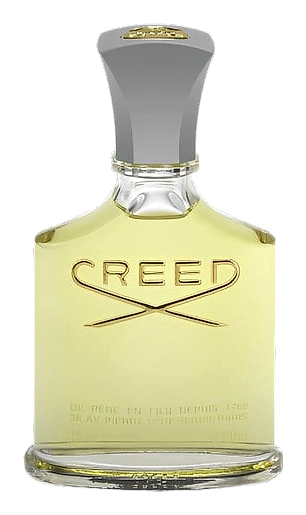
James Henry Creed created Orange Spice in 1950. The fragrance features citrus and warmth as its core character. Mandarin, bergamot, and neroli form the bright upper registers, while ambergris provides depth and an animalic undertone. The result reads as both vintage and distinctly Creed: confident without announcement, warm without heaviness, animalic without apology. Each material was chosen for how it would age into the next, creating a fragrance that unfolds gracefully over time. The composition demonstrates a careful balance of elements, each serving a distinct purpose in the overall structure.
The mandarin and bergamot opening delivers an immediate citrus brightness, sharp and tangible. This is citrus without apology. The neroli heart arrives warm and floral, with a whisper of animal underneath that keeps it from reading as delicate. Then ambergris and spice carry the drydown: powdery, intimate, close to the skin. The structure is unusual for its era, avoiding heavy woods and sweet vanillas in favor of a base built around ambergris itself. That ambergris note provides the warmth, animalic and salty, the olfactory equivalent of something worn close to the body.
The evolution
The opening is immediate and clean, mandarin and bergamot hitting at once, the citrus bright. There is no gentle easing in. Within minutes the neroli arrives, warm and floral, and with it comes the first suggestion of the ambergris base peeking through. The heart phase is where Orange Spice reveals its character: warm, slightly animal, floral without delicacy. The citrus retreats, the neroli softens, and the ambergris begins to dominate. By the final phase the fragrance is intimate and powdery, warm spice and ambergris clinging close. The drydown is distinctive for its era, avoiding heavy woods or sweet vanillas in favor of the ambergris base itself. This approach gives Orange Spice a unique structure that sets it apart from more conventional citrus fragrances.
Cultural impact
Orange Spice sits at the intersection of old-world craft and 1950s sensibility. This launch arrived in an era before modern fragrance industry conventions took hold, when compositions could prioritize pure artistic intent over commercial considerations. The fragrance reflects a time when perfumers worked with greater freedom to pursue singular creative visions, unhindered by the market forces that would later reshape the industry.