
The Story
Why it exists.
The beginning
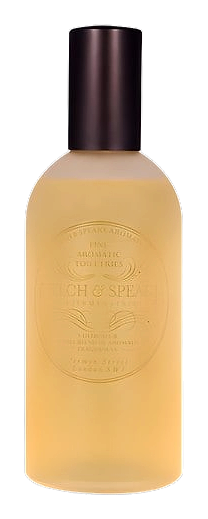
Citrus Paradisi was conceived with a singular ambition: make grapefruit last. The fruit's volatility is legendary in perfumery, bright for minutes, then gone. The solution wasn't more grapefruit. It was what came underneath. Oakmoss, patchouli, amber. Materials that grip and anchor, creating an atmosphere where the citrus finds itself surrounded rather than abandoned. The result is a cologne that opens like a morning and ends like an afternoon you've forgotten to leave. What begins as an immediate burst of sharp, zesty grapefruit slowly transforms, revealing depths that reward patience and close attention.
The note structure here is a deliberate engineering problem, not an aesthetic choice. Grapefruit oil contains highly volatile aromatic compounds that dissipate quickly once applied, leaving skin stripped of its initial brightness. Oakmoss doesn't rescue the grapefruit so much as it surrounds it, creating a green, slightly medicinal atmosphere that the citrus cannot escape. The mossy quality acts like a greenhouse, trapping and moderating the citrus notes within its cool embrace.
The evolution
The opening is all grapefruit, bright, sharp, almost astringent. Green notes and a whisper of spice follow, softening the edge before it can cut too deep. Then the hand-off begins: oakmoss moves forward as the citrus recedes, bringing a cool, slightly medicinal quality that feels almost aquatic. Patchouli and amber have settled into the skin, giving the composition weight and warmth. The drydown reads earthy and resinous, with the grapefruit's memory still faintly present, not as a distinct note anymore, but as a warmth that suggests it was there. The fragrance transforms across the wearing period, shifting from crisp brightness to something more intimate and contemplative, revealing new facets as hours pass.
Cultural impact
Czech & Speake introduced Citrus Paradisi to a fragrance market where the house chose to focus on technical execution rather than following prevailing trends. The challenge of making volatile grapefruit oil last defined the release, requiring careful construction of the supporting note structure. The grapefruit-oakmoss pairing represented a distinctive approach, combining bright citrus with earthy, green undertones in a composition that avoided heavier oriental conventions.